Ever pulled a steak out of the freezer, only to find it covered in those dreaded icy, grayish patches of freezer burn? It’s a gut-wrenching moment for any foodie. You thought you did everything right, but your food preservation efforts fell flat. The culprit is often a vacuum sealer that isn’t pulling its weight. But how can you be sure? That’s where a proper Vacuum Sealer Performance Test comes into play. It’s not about fancy lab equipment; it’s about simple, effective methods you can use right in your own kitchen to separate the workhorses from the weaklings. Forget marketing claims and slick packaging—we’re about to put these machines through their paces and find out what really matters.
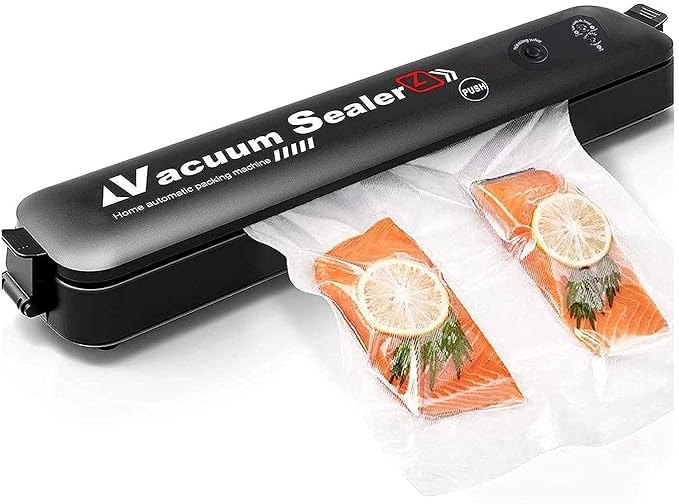
What a Vacuum Sealer Performance Test Actually Reveals
When you perform a vacuum sealer performance test, you’re essentially checking two critical functions: suction power and seal integrity. A machine can have the suction of a jet engine, but if the seal is weak, air will eventually creep back in, defeating the whole purpose. Conversely, a perfect seal on a bag full of air is just… a sealed bag of air.
A thorough test reveals:
- True Suction Strength: How effectively the machine removes air from the bag. This is the “vacuum” part of the equation and is vital for preventing oxidation and freezer burn.
- Seal Quality and Durability: How strong and consistent the heat seal is. A good seal should be airtight and able to withstand the pressures of freezing and long-term storage, including sous vide cooking.
- Consistency and Reliability: Can the machine perform reliably over multiple consecutive uses? Some cheaper models overheat quickly, leading to failed seals on the third or fourth bag.
How to Conduct a Real Vacuum Sealer Performance Test at Home
Ready to play scientist in your own kitchen? You don’t need a lab coat, just a few common household items. I’ve run these tests on dozens of machines over the years, from budget-friendly external sealers to high-end chamber models. Here are the three most revealing tests you can do.
Test 1: The Suction Power Test (The Marshmallow Gauntlet)
This is a fantastic visual test of a machine’s vacuum strength.
- Preparation: Place two or three large marshmallows in a vacuum sealer bag. Make sure they have plenty of room.
- Execution: Insert the open end of the bag into your vacuum sealer and run a full vacuum and seal cycle.
- Observation: Watch the marshmallows closely. A powerful vacuum will cause them to expand significantly as the air pressure around them drops. Then, once the vacuum pump stops and air is let back into the machine’s chamber (before sealing), they should compress down to a fraction of their original size. A machine with weak suction will cause only a minor expansion and compression.
What to look for: A dramatic shrink! The more compressed the marshmallows are in the final sealed bag, the more air was removed, indicating superior suction power.
Test 2: The Seal Integrity Test (The Submersion Trial)
This test is non-negotiable. A leaky seal renders the entire process useless.
- Preparation: Place something absorbent and dry, like a folded paper towel or a few crackers, into a vacuum sealer bag.
- Execution: Vacuum and seal the bag as you normally would.
- The Plunge: Submerge the sealed bag in a sink or large bowl of water. Gently press down on it to put a little pressure on the seals.
- Observation: Look for any air bubbles escaping from the sealed edge of the bag. Also, after a few minutes, remove the bag, dry the exterior, and open it. Check your paper towel or crackers. Are they bone dry?
What to look for: Zero bubbles and a perfectly dry interior. Any sign of moisture means your seal has failed the test. I often recommend doing a double seal on anything destined for long-term storage or the sous vide bath, just for extra insurance.
Test 3: The Consistency Test (The Batch Sealing Marathon)
This test separates the serious machines from the casual-use models. It simulates a real-world scenario, like processing a bulk purchase from Costco or the harvest from your garden.
- Preparation: Prepare 5-10 bags with a small amount of dry goods (like rice or beans) in each.
- Execution: Start sealing the bags one after another, with minimal downtime between cycles. Don’t give the machine a long break.
- Observation: Pay close attention to the machine’s behavior. Does it start to sound strained? Does the sealing strip seem to get overly hot? Most importantly, inspect the seal on the first bag and the last bag. Are they identical in quality?
What to look for: A machine that performs as well on the tenth bag as it did on the first. If you notice the seals becoming weak, melted, or inconsistent toward the end of the batch, the machine has an overheating problem.
Understanding Your Test Results: What to Look For
So you’ve run the tests. Now what? Interpreting the results is key.
- A Perfect Score: The marshmallows are crushed, the paper towel is dry, and all 10 batch seals look identical and strong. Your machine is a keeper!
- Good Suction, Weak Seal: If the marshmallows shrink but the water test fails, your vacuum pump is fine, but the heat bar isn’t doing its job. Check for food residue on the bar or consider a machine with a wider sealing strip.
- Weak Suction, Good Seal: If the marshmallows barely react but the bag holds a seal, your machine isn’t creating a proper vacuum. This is often a sign of a less powerful motor or a poor gasket around the vacuum channel.
- Inconsistent Performance: If the machine fails the marathon test, it’s best suited for light, infrequent use, not for serious food preservation tasks.
|
Our Picks for the Best Food Vacuum Cealer in 2026
As an Amazon Associate, we earn from qualifying purchases.
|
||
| Num | Product | Action |
|---|---|---|
| 1 | FoodSaver V4400 2-in-1 Vacuum Sealer Machine with Automatic Vacuum Sealer Bag Detection and Starter Kit |

|
| 2 | Nesco Deluxe Food VS-12 Vacuum Sealer, 130 Watts, Kit Bags & Viewing Lid, Compact, Silver |
|
| 3 |
|
|
| 4 | NutriChef Automatic Vacuum Air Sealing System for Food Preservation with Starter Kit, Compact Design, Lab Tested, Dry & Moist Food Modes with Led Indicator Lights, Black |
|
| 5 | SEATAO VH5188 Automatic Vacuum Sealer Machine, 90kPa Multifunction Commercial Vacuum Food Sealer For Food Preservation, Dry & Moist & Food & Extended Modes, LED lights, Double Seal |
|
| 6 | Vacuum Sealer Machine Powerful 90Kpa Precision 6-in-1 Compact Food Preservation System with Cutter, 2 Bag Rolls & 5 Pre-cut Bags, Widened 12mm Sealing Strip, Dry&Moist Modes (Silver) |
|
| 7 | Vakumar Liquid Vacuum Sealer Machine, 90Kpa Vacuum Sealer Machine Preservation Dry/Moist/Liquid Modes, LED Indicator Light, Handle Locked Design, Built-in Cutter and Bag Storage, Removable Drip Tray |
|
| 8 | Chef Preserve Compact Vacuum Sealer for Food (Vacuum Sealer Machine + 30 Reusable Vacuum Bags) Powerful Handheld Vacuum Sealer Machine, Seal Meal Saver, Portable Food Sealer |
|
| 9 | FoodSaver Compact Vacuum Sealer Machine with Airtight Bags and Roll - Ideal for Sous Vide and Airtight Food Storage, White |
|
| 10 | FoodSaver Vacuum Sealer Machine, Automatic Bag Detection, Sous Vide Friendly, with sealer bags, roll, handheld vacuum sealer, black |
|
How Do Vacuum Sealers Actually Work?
Ever wondered about the magic happening inside that machine? It’s actually quite simple. An external vacuum sealer works by clamping down on the open end of a specially designed textured bag. A small but powerful pump sucks all the air out through tiny channels in the bag’s texture. Once the air is removed, a heated sealing bar melts the plastic layers of the bag together, creating a permanent, airtight seal. It’s a one-two punch of removing oxygen and then locking it out for good.
Choosing Your Champion: Key Features That Impact Performance
When you’re shopping for a new vacuum sealer, the marketing can be overwhelming. Here are the features that actually affect the outcome of a vacuum sealer performance test:
- Motor and Pump Strength: This is the heart of the machine. A stronger motor creates a higher level of vacuum (measured in inches of mercury, or “Hg), resulting in better food preservation.
- Sealing Bar Width: A wider seal is a stronger seal. Look for models with at least a 3mm seal width. Some heavy-duty models offer 5mm or even double seals for extra security.
- Built-in Bag Storage and Cutter: These are quality-of-life features, but they make a huge difference in convenience and consistency.
- Moist/Dry Food Settings: This feature adjusts the sealing time and vacuum pressure. The “moist” setting typically uses a slightly longer sealing time to compensate for any moisture that might get drawn toward the seal, preventing a failure.
Expert Insight from Dr. Eleanor Vance, Food Scientist: “The primary goal of vacuum sealing is to remove oxygen, which dramatically slows down the two main culprits of food spoilage: the growth of aerobic bacteria and the process of oxidation. A reliable seal is just as crucial as a strong vacuum to maintain this oxygen-free environment over time.”
Foods You Should (and Shouldn’t) Vacuum Seal
While a vacuum sealer is a kitchen superhero, it does have its kryptonite.
Perfect Candidates for Sealing:
- Meats and Fish: The number one reason most people buy a sealer. Extends freezer life from 6 months to 2-3 years, completely preventing freezer burn.
- Hard Cheeses: Prevents mold and keeps them from drying out.
- Dry Goods: Coffee beans, nuts, flour, and pasta stay fresh for much longer.
- Hard Fruits and Vegetables: Things like carrots, beans, and asparagus.
Foods to Be Cautious With:
- Soft Cheeses, Bread, and Baked Goods: The strong vacuum can crush them. Use the “pulse” function if your machine has one, or freeze them solid first before sealing.
- Cruciferous Vegetables (Broccoli, Cabbage, Cauliflower): These vegetables release gases as they age. You must blanch them first before vacuum sealing to deactivate the enzymes that cause this.
- Garlic and Onions: Like cruciferous veggies, they can release gases. They are best stored using other methods unless cooked or blanched.
- Liquids (Soups, Stocks): You can’t seal a bag of liquid directly. The trick is to freeze the liquid in a container or ice cube tray first, then vacuum seal the solid blocks.
Frequently Asked Questions (FAQ)
Q1: What’s the most important factor in a vacuum sealer performance test?
A: It’s a tie between suction power and seal integrity. One is useless without the other. A great test evaluates both aspects to give you a complete picture of the machine’s capabilities and its ability to properly preserve your food.
Q2: Why is my vacuum sealer bag losing its seal in the freezer?
A: This is usually due to one of three things: a poor initial seal from an underpowered or overheated machine, moisture or food particles trapped in the seal area, or a puncture from a sharp food item (like a bone). Always ensure the seal area is clean and dry.
Q3: Can I really use vacuum-sealed bags for sous vide cooking?
A: Absolutely! That’s one of their best applications. However, it’s why the seal integrity test is so crucial. A failed seal during a sous vide cook means you’ll end up with a boiled, water-logged piece of meat instead of a perfectly cooked one.
Q4: Do the special textured bags really make a difference?
A: Yes, they are essential for external (non-chamber) vacuum sealers. The textured channels are what allow the air to be drawn out of the entire bag. Trying to use a smooth bag on both sides will result in the machine sealing the opening before the air can be removed.
Q5: How can I improve my vacuum sealer’s performance?
A: Keep it clean! Wipe down the sealing strip and the rubber gaskets around the vacuum channel regularly. Food particles and residue can compromise both the vacuum and the seal. Also, letting the machine rest for 30-60 seconds between seals can prevent overheating on less robust models.
Your Path to Preservation Mastery
At the end of the day, a vacuum sealer is an investment—an investment in saving money, reducing food waste, and enjoying fresher, more flavorful food. But that investment only pays off if the machine works as advertised. By taking a few minutes to run these simple tests, you empower yourself with knowledge. You’re no longer relying on brand promises; you’re relying on real-world results from your own kitchen. Conducting a comprehensive vacuum sealer performance test is your first step to becoming a true food preservation master. Now go on, grab those marshmallows and find out what your sealer is really made of.