Let’s be honest, there are few things in life as satisfying as the rich, aromatic scent of freshly opened coffee beans. It’s the promise of a perfect cup, a kick-start to your morning, or a comforting afternoon ritual. But what happens a week or two later? That vibrant aroma fades, and your once-perfect brew starts tasting a little… flat. The culprit? Oxygen. Today, we’re diving deep into How To Vacuum Seal Coffee Beans to lock in that day-one freshness for weeks, or even months. As the voice behind Food Vacuum Sealer, I’ve sealed everything from avocados to winter sweaters, but preserving coffee is a science and an art I’m truly passionate about.
Why Should You Bother Vacuum Sealing Coffee Beans?
Vacuum sealing coffee beans is the single most effective way to protect your investment in quality coffee. It directly combats the four arch-enemies of a fresh bean: oxygen, moisture, light, and heat. By removing the air from the storage container, you’re essentially pressing pause on the staling process.
Think of an apple slice left on the counter. It turns brown because of oxidation. The same thing is happening to your coffee beans, just on a less visible scale. The volatile oils that give coffee its incredible flavor and aroma are delicate, and oxygen breaks them down, leading to a dull, rancid taste.
As food preservation specialist Dr. Amelia Thorne often notes, “Oxygen is the primary catalyst for staling in coffee. By removing nearly all of it through vacuum sealing, you are dramatically extending the life of the bean’s complex flavor profile.”
Here’s the breakdown of the key benefits:
- Extended Freshness: Vacuum-sealed beans stored in a cool, dark place can maintain their peak flavor for several months, compared to just a few weeks in a standard bag.
- Flavor Preservation: You protect those precious aromatic oils from oxidizing, ensuring every cup tastes as good as the first.
- Bulk Buying Power: Love that special roast from a small-batch roaster? Buy in bulk without worrying about it going stale. This saves you money and trips to the store.
- Freezer-Safe Storage: It’s the ultimate method for long-term storage, preventing freezer burn and locking out unwanted freezer odors.
Choosing the Right Gear for the Job
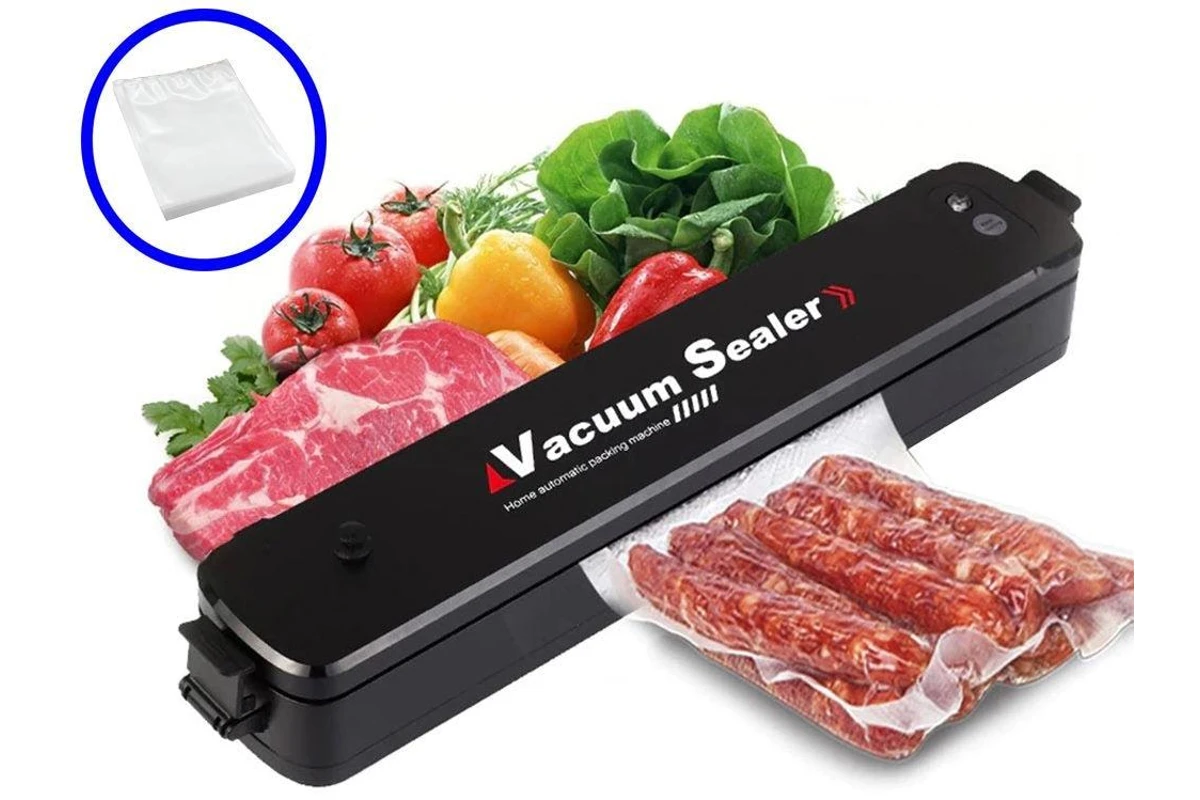
Before we get to the “how,” let’s talk about the “what with.” While any vacuum sealer is better than none, for coffee beans, your choice can make a difference. The two main types you’ll encounter are external (or edge) sealers and chamber vacuum sealers. For most home users, an external vacuum sealer is the perfect tool for the job.
However, if you’re a serious coffee aficionado or small-business owner, a chamber sealer offers a more powerful vacuum. For coffee, I also highly recommend using vacuum-sealable canisters over bags. Canisters won’t crush your delicate beans and are reusable, making them a more sustainable choice for your daily coffee ritual.
The Definitive Guide: How to Vacuum Seal Coffee Beans Step-by-Step
Ready to become a coffee preservation pro? The process is simple, but a few key details make all the difference. Here’s a detailed guide on how to vacuum seal coffee beans for maximum freshness.
- Start with Whole Beans: This is non-negotiable. Once coffee is ground, its surface area increases exponentially, and it begins to stale almost immediately. Always seal whole beans and grind them just before you brew.
- Portion Your Beans: Think about how much coffee you use in a week. It’s best to seal your beans in smaller, weekly-use portions. This way, you only expose a small amount of coffee to air at a time, keeping the rest perfectly preserved.
- Choose Your Container:
- For Canisters (Recommended): Fill the canister with your portioned whole beans, leaving at least an inch of headspace at the top. This ensures the lid can seal properly.
- For Bags: If using bags, carefully fill the bag, again leaving several inches of headspace. Gently shake the beans to create a single, even layer. This helps prevent the beans from clumping and potentially puncturing the bag.
- The Sealing Process:
- Canisters: Place the lid on the canister. Attach the accessory hose from your vacuum sealer to the port on the lid. Run the “canister” or “accessory” function on your machine. You’ll hear the air being sucked out, and when it’s done, the machine will stop.
- Bags: Place the open end of the bag into the vacuum channel of your sealer. Close the lid and press the “vacuum and seal” button. Watch as the air is removed and the machine automatically creates a heat seal.
- Label and Store: This is a step many people skip, but it’s crucial! Use a permanent marker to write the type of coffee and the date you sealed it on the bag or a piece of tape for the canister. Store your sealed coffee in a cool, dark place like a pantry or cupboard. For long-term storage (over a month), the freezer is your best friend.
The Great Degassing Debate: To Wait or Not to Wait?
Here’s where we get into some real coffee-nerd territory. Freshly roasted coffee beans release carbon dioxide (CO2) for several days after roasting—a process called degassing. So, should you seal them right away?
The short answer is: it’s best to let them degas for 24-48 hours before sealing. If you vacuum seal super-fresh beans in a bag, the CO2 they release can cause the bag to inflate, ruining the vacuum. Sealing them in a rigid canister is more forgiving, but allowing them to rest first is still the ideal practice.
|
Our Picks for the Best Food Vacuum Cealer in 2026
As an Amazon Associate, we earn from qualifying purchases.
|
||
| Num | Product | Action |
|---|---|---|
| 1 | Vakumar Liquid Vacuum Sealer Machine, 90Kpa Vacuum Sealer Machine Preservation Dry/Moist/Liquid Modes, LED Indicator Light, Handle Locked Design, Built-in Cutter and Bag Storage, Removable Drip Tray |

|
| 2 | FoodSaver Compact Vacuum Sealer Machine with Airtight Bags and Roll - Ideal for Sous Vide and Airtight Food Storage, White |
|
| 3 |
|
|
| 4 | Nesco Deluxe Food VS-12 Vacuum Sealer, 130 Watts, Kit Bags & Viewing Lid, Compact, Silver |
|
| 5 | Vacuum Sealer Machine Powerful 90Kpa Precision 6-in-1 Compact Food Preservation System with Cutter, 2 Bag Rolls & 5 Pre-cut Bags, Widened 12mm Sealing Strip, Dry&Moist Modes (Silver) |
|
| 6 | Chef Preserve Compact Vacuum Sealer for Food (Vacuum Sealer Machine + 30 Reusable Vacuum Bags) Powerful Handheld Vacuum Sealer Machine, Seal Meal Saver, Portable Food Sealer |
|
| 7 | NutriChef Automatic Vacuum Air Sealing System for Food Preservation with Starter Kit, Compact Design, Lab Tested, Dry & Moist Food Modes with Led Indicator Lights, Black |
|
| 8 | SEATAO VH5188 Automatic Vacuum Sealer Machine, 90kPa Multifunction Commercial Vacuum Food Sealer For Food Preservation, Dry & Moist & Food & Extended Modes, LED lights, Double Seal |
|
| 9 | FoodSaver Vacuum Sealer Machine, Automatic Bag Detection, Sous Vide Friendly, with sealer bags, roll, handheld vacuum sealer, black |
|
| 10 | FoodSaver V4400 2-in-1 Vacuum Sealer Machine with Automatic Vacuum Sealer Bag Detection and Starter Kit |
|
Pro Tips for Perfectly Preserved Coffee
After years of experimenting, I’ve picked up a few tricks. These tips will take your coffee preservation game from good to great.
- Double Down with the Freezer: For the absolute longest-term storage, place your vacuum-sealed bags or canisters in the freezer. This protects them from temperature fluctuations and light.
- Thaw Correctly: When you take beans out of the freezer, let the entire sealed package come to room temperature before opening it. Opening it while cold can cause condensation to form on the beans, introducing dreaded moisture.
- Use the Right Bags: If you’re using bags, opt for high-quality, multi-layered ones. Cheaper bags are more prone to punctures from the sharp edges of the beans. Check out our guide to the best vacuum sealer bags for our top picks.
- Don’t Overfill: Whether you’re using a bag or a canister, leaving adequate headspace is key to getting a strong, reliable seal.
What Are the Common Mistakes to Avoid When Sealing Coffee?
Avoiding a few common pitfalls can save you from a subpar cup of coffee. The most frequent mistake is sealing ground coffee. It loses its aroma so quickly that you’re just sealing in stale dust. Another error is not portioning. Opening and resealing a large bag every day defeats the purpose. Finally, remember to store the sealed packages properly; leaving them on a sunny countertop will undo all your hard work.
How Long Do Vacuum-Sealed Coffee Beans Last?
This is the million-dollar question! With proper technique, you can dramatically extend the life of your coffee. Here’s a general guideline:
| Storage Method | Typical Shelf Life | Vacuum-Sealed Shelf Life |
|---|---|---|
| Pantry (Cool, Dark Place) | 2-3 Weeks | 6-9 Months |
| Freezer | 1-2 Months | 2-3 Years |
Disclaimer: These are estimates. The quality of the original bean and the roast level will also play a role.
Frequently Asked Questions (FAQ)
Q1: Can I vacuum seal coffee in its original bag?
No, you shouldn’t. The original bags often have a one-way valve for degassing and are not designed to hold a strong vacuum. It’s always best to transfer the beans to a proper vacuum-sealable bag or canister.
Q2: Will vacuum sealing crush my coffee beans?
If you use bags, a powerful vacuum sealer can sometimes put enough pressure on the beans to crack them. This is the primary reason we recommend using rigid vacuum canisters for coffee, as they protect the beans from any pressure.
Q3: Is it better to freeze or just vacuum seal coffee beans?
For ultimate long-term preservation (6+ months), doing both is best. Vacuum seal first, then freeze. For short-term storage (a few months), vacuum sealing and keeping them in a cool, dark pantry is perfectly sufficient.
Q4: Can I reseal a bag of coffee after I open it?
Yes, you can! If you’ve sealed a larger portion than you need, you can cut the bag open, take what you need, and then reseal the remaining portion. Just make sure there’s enough bag material left to fit into the sealer’s vacuum channel.
Q5: Does vacuum sealing affect the taste of the coffee?
No, it does not negatively affect the taste. In fact, its entire purpose is to preserve the original taste by preventing the factors that cause it to degrade. When done correctly, your coffee will taste remarkably fresh, even months later.
Your Perfect Cup Awaits
Learning how to vacuum seal coffee beans is a true game-changer for any coffee lover. It’s a simple process that empowers you to buy better beans in larger quantities, reduce waste, and—most importantly—ensure that every single cup you brew is as flavorful and aromatic as it was meant to be. It’s about respecting the bean and honoring the craft that went into it, from the farm to your cup. So go ahead, seal in that freshness and elevate your daily coffee experience.