Let’s talk about that moment of despair in the kitchen. You reach into the freezer for that beautiful steak you bought on sale, only to find it covered in icy, unappetizing crystals. That’s freezer burn, the arch-nemesis of food preservation. Wasted food means wasted money, and nobody wants that. This is where a vacuum sealer comes in, and today, we’re diving deep with a comprehensive Geryon Vacuum Sealer Review. Is this popular, budget-friendly machine the answer to your food-saving prayers, or is it just another gadget destined to collect dust? We’re about to find out.
At Food Vacuum Sealer, we’ve tested our fair share of kitchen appliances, and we know what separates a game-changer from a countertop paperweight. We’re going to break down everything you need to know about the Geryon sealer, from how it works to who it’s best for.
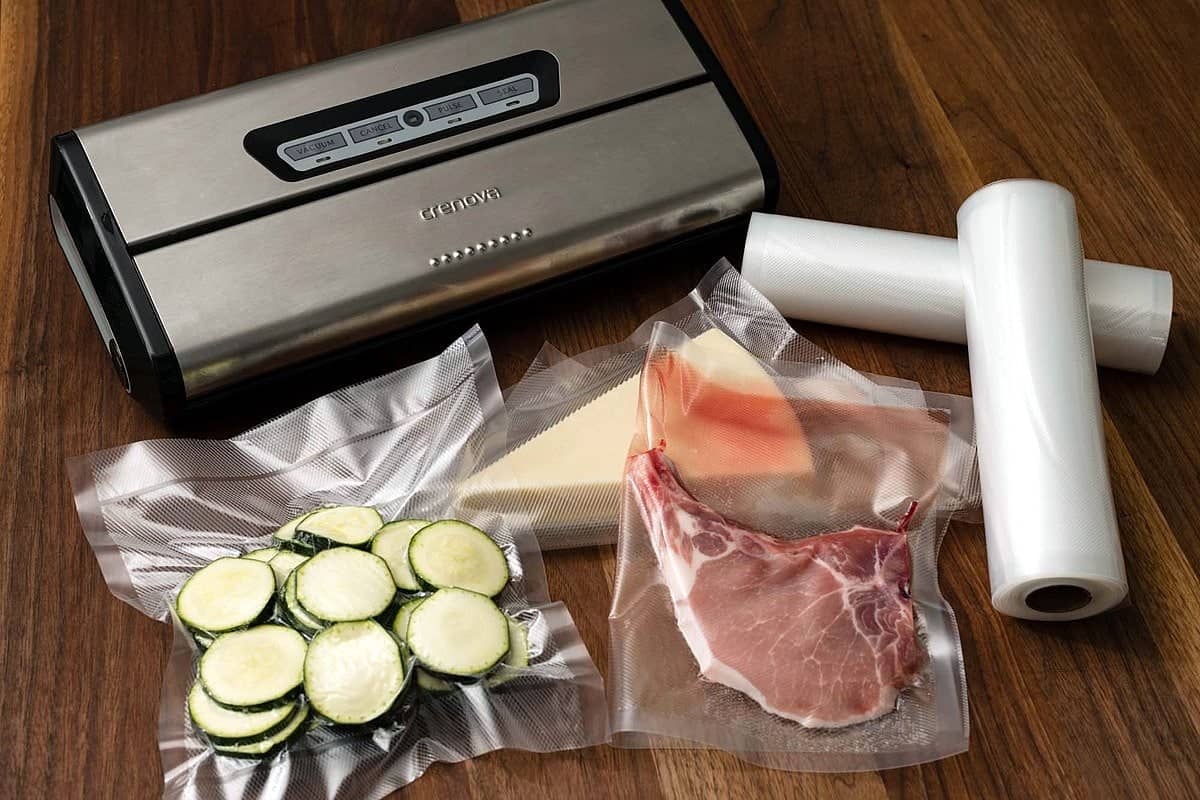
What Exactly is a Vacuum Sealer and How Does it Work?
A food vacuum sealer is a kitchen device that removes air from a specially designed bag or container before creating an airtight seal. The concept is simple but brilliant. By removing oxygen, you dramatically slow down the process of spoilage.
Here’s the magic behind it:
- Inhibits Mold and Bacteria: Most pesky microorganisms that spoil food need oxygen to thrive. No air, no party for them.
- Prevents Oxidation: Oxidation is what turns your sliced apples brown and makes fats and oils go rancid. Removing air stops this chemical reaction in its tracks.
- Eliminates Freezer Burn: Freezer burn happens when moisture in the food evaporates and refreezes as ice crystals on the surface. An airtight, vacuum-sealed barrier prevents this moisture loss, keeping your food’s texture and flavor intact.
Think of it as putting your food into a state of suspended animation, preserving its freshness, flavor, and nutritional value for up to five times longer than traditional storage methods.
The Geryon Vacuum Sealer: A Closer Look
Geryon has made a name for itself by offering affordable yet capable vacuum sealers. For this Geryon vacuum sealer review, we’re focusing on their popular external “suck and seal” models, which are perfect for home use. Let’s break down the experience.
First Impressions and Design
Right out of the box, the Geryon sealer feels lightweight and compact. Its slim profile is a huge plus for anyone with limited counter space. The design is straightforward and intuitive, with clearly labeled buttons for its main functions. It doesn’t feel like a premium, heavy-duty machine, but its plastic construction is solid enough for regular household tasks. It’s the kind of device that’s not intimidating to a beginner.
Key Features and Performance
Most Geryon models come with a standard set of features that cover all the essential bases:
- Dry & Moist Food Modes: This is a crucial feature. The ‘Dry’ setting is for items like grains, nuts, and solid cuts of meat. The ‘Moist’ setting uses a slightly longer sealing time to ensure a strong seal on foods with higher moisture content, like marinated chicken or blanched vegetables. In our tests, the Geryon handled both modes capably, though with very wet items, you still need to be careful to wipe the sealing area clean.
- Gentle & Normal Vacuum Pressure: Some models offer pressure settings, which are fantastic for delicate items. The ‘Gentle’ mode is perfect for sealing soft bread, pastries, or potato chips without crushing them into dust.
- Built-in Cutter: A simple but incredibly useful feature. The integrated slide cutter allows you to customize the size of your bags from a roll, which is far more economical than buying pre-cut bags.
- Accessory Port: This allows you to use a hose attachment to vacuum seal compatible canisters and containers, which is great for marinating meats quickly or storing delicate items like salads.
In terms of performance, the Geryon is surprisingly effective for its price point. It pulls a strong vacuum and creates a reliable seal. The process is a bit noisy, but that’s standard for most external vacuum sealers. It gets the job done without much fuss.
“The biggest enemy of long-term food storage is air. An effective vacuum sealer like the Geryon isn’t just a convenience; it’s a scientific tool for your kitchen that combats oxidation and microbial growth, directly preserving the quality and safety of your food.” – Dr. Amelia Vance, Food Preservation Specialist
Pros and Cons of the Geryon Sealer
No review is complete without a balanced look. Here’s the honest breakdown:
Pros:
- Excellent Value: This is Geryon’s biggest selling point. It offers solid performance at a fraction of the cost of premium brands.
- User-Friendly: It’s incredibly easy to use, making it a great entry-level option for beginners.
- Compact and Lightweight: Easy to store and doesn’t hog precious kitchen real estate.
- Versatile Features: The inclusion of moist/dry modes and an accessory port makes it adaptable to a wide range of foods.
Cons:
- Not for Heavy-Duty Use: If you’re a hunter, run a small farm, or plan on sealing dozens of items back-to-back, the Geryon might overheat and require cooldown periods.
- Build Quality: While adequate, the plastic construction doesn’t feel as robust as more expensive, stainless steel models.
- Can be Finicky with Liquids: Like most external sealers, you have to be careful not to suck liquids into the vacuum chamber. Pre-freezing soups and marinades is highly recommended.
How Do You Use a Geryon Vacuum Sealer? A Step-by-Step Guide
Ready to start sealing? It’s easier than you think. Here’s a simple guide to get you going.
- Prepare Your Food: Make sure your food is clean and dry. If you’re sealing liquids or very moist foods, pre-freeze them for an hour or two until they are firm.
- Create Your Bag: If using a roll, pull out enough material to hold your food plus an extra 3-4 inches of headspace. Use the built-in cutter to get a straight edge.
- Seal One End: Place one of the open ends of the bag onto the sealing strip inside the machine. Close the lid, ensuring it clicks shut on both sides. Press the ‘Seal’ button. The machine will create the bottom seal for your bag.
- Fill the Bag: Place your food inside the newly created bag, arranging it in a flat, even layer. Remember to leave that 3-4 inch headspace at the top.
- Vacuum and Seal: Open the lid and place the open end of the filled bag into the vacuum channel. Close the lid firmly until it clicks. Select the appropriate food mode (‘Dry’ or ‘Moist’). Press the ‘Vac/Seal’ button. The machine will automatically remove the air and then seal the bag.
- Check Your Seal: Once the machine stops, unlock the lid and remove your bag. Inspect the seal to make sure it’s clear, complete, and has no wrinkles or gaps. A good seal is the key to long-lasting freshness!
|
Our Picks for the Best Food Vacuum Cealer in 2026
As an Amazon Associate, we earn from qualifying purchases.
|
||
| Num | Product | Action |
|---|---|---|
| 1 | FoodSaver V4400 2-in-1 Vacuum Sealer Machine with Automatic Vacuum Sealer Bag Detection and Starter Kit |

|
| 2 | NutriChef Automatic Vacuum Air Sealing System for Food Preservation with Starter Kit, Compact Design, Lab Tested, Dry & Moist Food Modes with Led Indicator Lights, Black |
|
| 3 | Chef Preserve Compact Vacuum Sealer for Food (Vacuum Sealer Machine + 30 Reusable Vacuum Bags) Powerful Handheld Vacuum Sealer Machine, Seal Meal Saver, Portable Food Sealer |
|
| 4 | FoodSaver Compact Vacuum Sealer Machine with Airtight Bags and Roll - Ideal for Sous Vide and Airtight Food Storage, White |
|
| 5 | Vakumar Liquid Vacuum Sealer Machine, 90Kpa Vacuum Sealer Machine Preservation Dry/Moist/Liquid Modes, LED Indicator Light, Handle Locked Design, Built-in Cutter and Bag Storage, Removable Drip Tray |
|
| 6 | FoodSaver Vacuum Sealer Machine, Automatic Bag Detection, Sous Vide Friendly, with sealer bags, roll, handheld vacuum sealer, black |
|
| 7 | SEATAO VH5188 Automatic Vacuum Sealer Machine, 90kPa Multifunction Commercial Vacuum Food Sealer For Food Preservation, Dry & Moist & Food & Extended Modes, LED lights, Double Seal |
|
| 8 |
|
|
| 9 | Vacuum Sealer Machine Powerful 90Kpa Precision 6-in-1 Compact Food Preservation System with Cutter, 2 Bag Rolls & 5 Pre-cut Bags, Widened 12mm Sealing Strip, Dry&Moist Modes (Silver) |
|
| 10 | Nesco Deluxe Food VS-12 Vacuum Sealer, 130 Watts, Kit Bags & Viewing Lid, Compact, Silver |
|
Tips and Tricks for Getting the Most Out of Your Sealer
A little know-how can elevate your vacuum sealing from good to great. Here are some of our favorite pro tips:
- Double Seal It: For long-term freezer storage or for sealing liquids, press the ‘Seal’ button a second time to create an extra-secure double seal.
- Blanch Your Veggies: For vegetables like broccoli, cauliflower, and cabbage, it’s best to blanch them briefly before freezing and sealing. This stops enzyme actions that can cause them to lose flavor and color over time.
- Don’t Overfill: That headspace is non-negotiable. Overfilling the bag can lead to a poor seal or food getting sucked into the machine.
- Keep the Sealing Area Clean: Any food residue, grease, or moisture on the part of the bag you’re sealing can prevent a proper seal. Always wipe it clean.
- Protect from Sharp Edges: If you’re sealing meat with bones or other sharp items, wrap the sharp edges in a paper towel before sealing to prevent them from puncturing the bag. You can learn more about this in our [guide to the best vacuum sealer bags].
What Foods Should You Vacuum Seal (and What Should You Avoid)?
While a vacuum sealer is incredibly versatile, it’s not suitable for everything. Here’s a quick cheat sheet.
Great Foods for Vacuum Sealing:
- Meats and Fish: Perfect for buying in bulk and preventing freezer burn.
- Hard Cheeses: Extends their life significantly in the fridge.
- Coffee Beans & Nuts: Keeps them from going stale or rancid.
- Dry Goods: Flour, sugar, pasta, and rice can be protected from moisture and pests.
- Prepped Meals: A lifesaver for meal prepping and busy weeknights.
- Sous Vide Cooking: Vacuum sealing is an essential first step for [sous vide cooking].
Foods to Avoid or Use Caution With:
- Soft Cheeses: Cheeses like brie and blue cheese don’t do well, as the vacuum process can crush them and alter their texture.
- Whole Mushrooms: They can decay faster due to anaerobic bacteria. It’s better to cook them first.
- Raw Garlic & Onions: These release gases that can cause the bag to expand and spoil. Cooked garlic and onions are fine.
- Cruciferous Vegetables (Raw): Raw broccoli, cabbage, and cauliflower also release gases. Always blanch them first.
Food Storage Time Comparison
To truly appreciate the power of vacuum sealing, look at how it extends the life of your food.
| Food Item | Standard Freezer Storage | Vacuum Sealed Freezer Storage |
|---|---|---|
| Beef, Poultry, Pork | 6 – 12 months | 2 – 3 years |
| Fish | 3 – 6 months | 1 – 2 years |
| Soups & Stews | 3 – 4 months | 1 – 2 years |
| Coffee Beans | 6 – 9 months | 2 – 3 years |
| Berries | 6 – 8 months | 1 – 2 years |
Frequently Asked Questions (FAQ)
1. Can you use any brand of bags with a Geryon vacuum sealer?
Yes, for the most part. Geryon sealers are compatible with most universal external vacuum sealer bags and rolls, as long as they are not wider than the machine’s sealing strip (usually 11-12 inches). For best results, use bags with a textured or embossed side, which helps with air removal.
2. Is the Geryon vacuum sealer good for sous vide cooking?
Absolutely. It creates the strong, airtight seal required for sous vide. The bags are durable and designed to handle the temperatures of a water bath, making it an excellent and affordable tool for any aspiring sous vide chef.
3. How do you clean the Geryon vacuum sealer?
Cleaning is simple. Unplug the machine first. Use a damp cloth to wipe down the exterior and the inside of the lid. The drip tray, which catches any excess liquid, is usually removable and can be washed with warm, soapy water. Ensure it’s completely dry before putting it back.
4. What’s the main difference between the ‘Dry’ and ‘Moist’ settings?
The primary difference is the duration of the heat seal. The ‘Moist’ setting extends the sealing time slightly. This extra heat helps to counteract any small amounts of moisture that might be present in the sealing area, ensuring a strong, reliable seal.
5. Why is my vacuum sealer not sealing properly?
The most common reasons are an overfilled bag, moisture or debris in the sealing area, or a wrinkled bag on the heat strip. Make sure you leave enough headspace, wipe the bag clean, and ensure it’s lying flat and smooth before you start the sealing process.
The Final Verdict: Is the Geryon Vacuum Sealer Worth It?
After a thorough Geryon vacuum sealer review, our conclusion is a resounding yes—for the right person. If you are a home cook looking to reduce food waste, save money by buying in bulk, or get into meal prepping and sous vide, the Geryon offers incredible value. It’s a reliable, easy-to-use machine that does exactly what it promises without breaking the bank.
While it may not have the power and stamina for commercial-level use, it is the perfect entry point into the world of vacuum sealing. It’s a small investment that pays for itself quickly in saved food and better-tasting meals. Stop letting freezer burn win the war in your freezer. It’s time to seal the deal on freshness.