Welcome to the ultimate deep dive into the world of professional-grade food preservation. If you’ve ever battled with a suction sealer trying to package a batch of soup, or if you’re a serious meal prepper, hunter, or sous vide enthusiast, you’ve probably heard whispers about a superior machine. This in-depth Chamber Vacuum Sealer Review is for you. We’re going to pull back the curtain on these kitchen workhorses, explore what makes them tick, and help you decide if this is the upgrade your kitchen has been crying out for. Forget everything you thought you knew about vacuum sealing; we’re entering a whole new league.
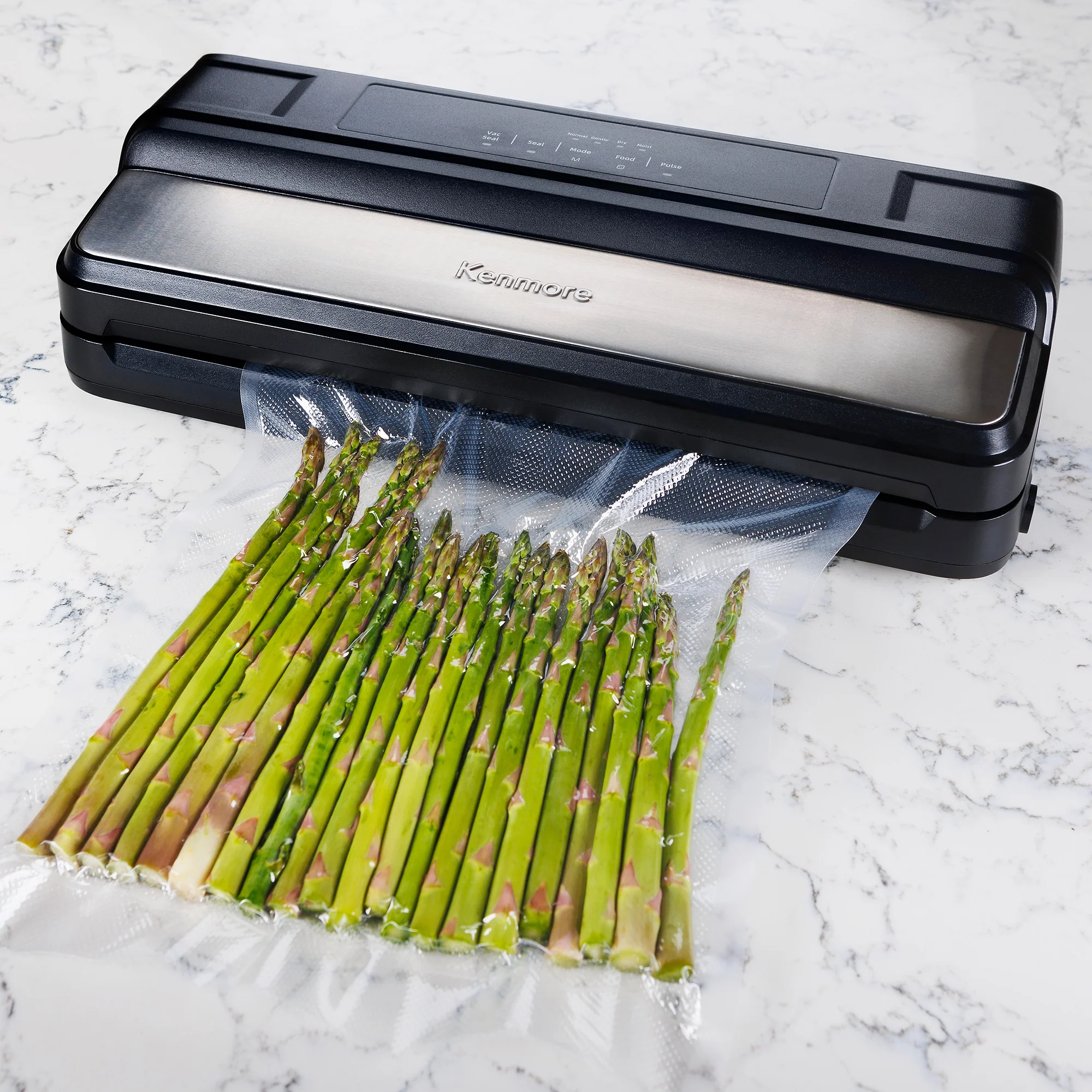
What Is a Chamber Vacuum Sealer and How Does It Work?
A chamber vacuum sealer is a type of vacuum packaging machine that works by placing the entire bag of food inside a chamber. Instead of sucking air out of the bag, it removes the air from the entire chamber, which equalizes the pressure inside and outside the bag. Once a vacuum is achieved, a heat bar inside the chamber seals the bag shut before the air is let back into the chamber.
Think of it like this: a standard suction sealer is like trying to suck the air out of a Ziploc bag with a straw. It works, but it can crush delicate items and pull liquids right out. A chamber sealer, on the other hand, is like taking that same bag into outer space—the air leaves everything (the bag, the chamber) all at once, so the liquid in the bag has no reason to go anywhere. It’s a fundamentally different, and frankly, superior approach for many applications.
The key benefits are game-changing:
- Seal Liquids Effortlessly: This is the number one reason people upgrade. You can seal soups, stews, marinades, and brines without a single drop being sucked into the machine.
- Higher Vacuum Level: Chamber sealers typically pull a stronger, more complete vacuum (down to 99.9% air removal), which means longer shelf life for your food.
- Cheaper Bags: These machines use simple, smooth-sided bags which are significantly less expensive than the textured or embossed bags required by suction sealers. Over time, the savings can be substantial.
- Increased Versatility: Beyond just sealing, you can use a chamber sealer for rapid infusing of flavors into meats or liquids, quick-pickling vegetables, and even compressing foods like watermelon for a unique texture.
Chamber Sealer vs. External Suction Sealer: What’s the Difference?
So, how does a chamber sealer really stack up against the common external vacuum sealer you see in most stores? While both aim to preserve food, they get there in very different ways.
| Feature | Chamber Vacuum Sealer | External (Suction) Vacuum Sealer |
|---|---|---|
| Mechanism | Removes air from the entire chamber | Sucks air directly out of the bag |
| Best For | Liquids, delicate items, bulk sealing | Solids, dry goods, occasional use |
| Vacuum Level | Very High (up to 99.9%) | Good (up to 99%) |
| Bag Type | Smooth, commercial-grade pouches | Textured or embossed bags |
| Bag Cost | Low | High |
| Footprint | Large and heavy | Small and lightweight |
| Price Point | High (investment) | Low (accessible) |
In my experience, an external sealer is a fantastic entry point. It’s how I started, and it’s perfect for sealing cuts of meat, cheese, and dry goods. But the moment I tried to seal a bag of chili for the freezer, I understood its limits. The upgrade to a chamber sealer was a revelation for handling liquid-rich foods and for the sheer reliability of the seal.
How to Use a Chamber Vacuum Sealer: A Step-by-Step Guide
Wondering if these machines are complicated to operate? Don’t be intimidated! They are surprisingly straightforward. Here’s a simple breakdown of the process.
- Preparation: Fill your chamber pouch with the food you want to seal. Be sure to leave a few inches of headspace at the top for a clean seal. If sealing liquids, you don’t have to worry about them sloshing out.
- Placement: Open the lid of the chamber sealer. Place the filled bag inside the chamber, laying the open end of the bag neatly across the seal bar. Some machines have clips to hold the bag in place.
- Set the Controls: Depending on your model, you’ll set the vacuum time and the seal time. More air (larger chamber) or denser foods might need a few more seconds of vacuum time. Oily or wet bag openings may need a longer seal time. You’ll get a feel for this quickly.
- Start the Cycle: Close the lid firmly. The machine will automatically start the vacuum pump. You’ll see the air being removed from the chamber—if you have liquid in the bag, you might even see it start to “boil” as the air pressure drops (this is normal and is just air escaping the liquid!).
- Sealing and Re-Pressurizing: Once the vacuum cycle is complete, the machine will automatically activate the heat bar to seal the bag. Immediately after, it will release the vacuum and let air back into the chamber.
- All Done! The lid will often pop open on its own. You can now remove your perfectly sealed bag, ready for the freezer, fridge, or sous vide bath.
Expert Take: “The consistency of a chamber sealer is its greatest asset,” notes Dr. Eleanor Vance, a leading food preservation specialist. “Because the process isn’t dependent on the user holding the bag just right, you get a perfect, reliable seal almost every time. In food safety, reliability is everything.”
Tips and Tricks for the Best Sealing Results
After countless hours using these machines, I’ve picked up a few tricks to help you get the most out of yours.
- Keep the Seal Area Clean: This is rule number one. Any food, grease, or moisture on the part of the bag being sealed can cause a failure. I always give it a quick wipe with a paper towel before placing it on the seal bar.
- Double Seal for Security: For long-term freezer storage or sous vide cooking, I often run a second seal cycle just above the first one. It’s a little extra insurance that costs nothing.
- Don’t Overfill Your Bags: Leave at least 2-3 inches of headspace. This ensures you have a clean, flat surface for the seal bar to work its magic.
- Flash Freeze Powders: Sealing fine powders like flour or spices can sometimes make a mess. Spreading them on a baking sheet and freezing for 15-20 minutes first keeps them from flying around inside the chamber.
- Cool Hot Foods First: Sealing hot foods can create steam, which can interfere with the vacuum and seal quality. Let soups and stews cool down before packaging.
|
Our Picks for the Best Food Vacuum Cealer in 2026
As an Amazon Associate, we earn from qualifying purchases.
|
||
| Num | Product | Action |
|---|---|---|
| 1 | FoodSaver V4400 2-in-1 Vacuum Sealer Machine with Automatic Vacuum Sealer Bag Detection and Starter Kit |

|
| 2 | FoodSaver Vacuum Sealer Machine, Automatic Bag Detection, Sous Vide Friendly, with sealer bags, roll, handheld vacuum sealer, black |
|
| 3 | Vacuum Sealer Machine Powerful 90Kpa Precision 6-in-1 Compact Food Preservation System with Cutter, 2 Bag Rolls & 5 Pre-cut Bags, Widened 12mm Sealing Strip, Dry&Moist Modes (Silver) |
|
| 4 | NutriChef Automatic Vacuum Air Sealing System for Food Preservation with Starter Kit, Compact Design, Lab Tested, Dry & Moist Food Modes with Led Indicator Lights, Black |
|
| 5 | Chef Preserve Compact Vacuum Sealer for Food (Vacuum Sealer Machine + 30 Reusable Vacuum Bags) Powerful Handheld Vacuum Sealer Machine, Seal Meal Saver, Portable Food Sealer |
|
| 6 | FoodSaver Compact Vacuum Sealer Machine with Airtight Bags and Roll - Ideal for Sous Vide and Airtight Food Storage, White |
|
| 7 | SEATAO VH5188 Automatic Vacuum Sealer Machine, 90kPa Multifunction Commercial Vacuum Food Sealer For Food Preservation, Dry & Moist & Food & Extended Modes, LED lights, Double Seal |
|
| 8 | Vakumar Liquid Vacuum Sealer Machine, 90Kpa Vacuum Sealer Machine Preservation Dry/Moist/Liquid Modes, LED Indicator Light, Handle Locked Design, Built-in Cutter and Bag Storage, Removable Drip Tray |
|
| 9 | Nesco Deluxe Food VS-12 Vacuum Sealer, 130 Watts, Kit Bags & Viewing Lid, Compact, Silver |
|
| 10 |
|
|
Foods You Should (and Shouldn’t) Vacuum Seal
A chamber vacuum sealer opens up a world of possibilities, but it’s not the right tool for every food item. Knowing what works and what doesn’t is key to successful food preservation.
What are the best foods to seal?
These foods are prime candidates for vacuum sealing, and their shelf life can be extended dramatically.
- Soups, Stocks, and Stews: The champion use-case for a chamber sealer.
- Raw and Cooked Meats: Protects against freezer burn for months, even years.
- Fish and Seafood: Preserves delicate flavor and texture.
- Hard and Semi-Hard Cheeses: Prevents mold and drying out.
- Grains, Beans, and Coffee: Keeps them fresh and free from pantry pests.
- Marinated Meats: The vacuum process actually helps the marinade penetrate the meat faster.
- Vegetables for Freezing or Sous Vide: Blanched vegetables hold up beautifully.
What foods should you avoid vacuum sealing?
Certain foods can spoil or degrade even in a vacuum environment.
- Cruciferous Vegetables (Raw): Broccoli, cauliflower, cabbage, and Brussels sprouts emit gases as they ripen. Sealing them raw can cause the bag to inflate and the veggies to spoil. Always blanch or cook them first.
- Fresh Mushrooms: Raw mushrooms can ripen and spoil quickly due to their high respiration rate. It’s best to cook them before sealing.
- Soft Cheeses: Delicate cheeses like brie, camembert, and ricotta can be crushed and their texture ruined. They also contain anaerobic bacteria which can thrive without oxygen.
- Whole Garlic and Onions: Like cruciferous veggies, these also release gases. More importantly, in an oxygen-free environment, they pose a risk of developing botulism. Always cook, pickle, or freeze them first.
How to Choose the Right Chamber Vacuum Sealer
Ready to make the leap? Choosing the right machine comes down to a few key factors. This isn’t a small purchase, so it’s worth doing a little homework, which is why this chamber vacuum sealer review covers these crucial points.
Chamber Size and Machine Footprint
How much space do you have, and what do you plan to seal? A small chamber is fine for single portions of soup or steaks, but if you’re sealing large roasts or big batches of food, you’ll need a larger chamber. Measure your counter space—these machines are heavy and take up significant real estate.
Pump Type: Oil vs. Dry (Oilless)
This is a major consideration.
- Oil Pumps: These are the workhorses. They are more powerful, quieter, can run for longer periods without overheating, and are more durable. They are the standard for commercial use. However, they are heavier and require occasional oil changes (a simple process).
- Dry Pumps: These are lighter, maintenance-free, and often found in more budget-friendly or smaller models. They are great for home use but can be louder and may need cooldown periods during heavy use.
Seal Bar Length
The length of the seal bar determines the maximum width of the bag you can use. A 10-12 inch bar is standard for most home models and is plenty for most tasks. If you plan on sealing extra-large items, look for a longer bar.
Frequently Asked Questions
Can you really seal pure liquids in a chamber vacuum sealer?
Absolutely. This is their superpower. You can place a bag filled with water or soup inside, and it will seal perfectly without spilling a drop. The equalized pressure inside the chamber is the key.
Do I need special bags for a chamber vacuum sealer?
Yes, but in a good way! You need to use smooth-sided vacuum pouches, not the textured bags used by external sealers. These chamber pouches are significantly cheaper, which will save you a lot of money in the long run. You can find more info in [our guide to the best vacuum sealer bags].
Is a chamber vacuum sealer worth the high cost?
For the right person, 100% yes. If you frequently seal liquids, buy in bulk, are a hunter or fisherman, or do a lot of sous vide cooking, the investment pays for itself in food savings, reduced waste, and superior results. For casual users who only seal dry goods, an external sealer might be sufficient.
How much better is the vacuum from a chamber sealer?
It’s significantly better. Most external sealers pull a vacuum of around 24-26 inHg (inches of mercury). A good chamber sealer, especially one with an oil pump, can pull a vacuum of 29 inHg or higher. That small difference at the top end removes much more residual oxygen, leading to longer preservation.
What is the maintenance like for a chamber sealer?
For a dry pump model, maintenance is minimal—just regular cleaning. For an oil pump model, you’ll need to change the oil every 6-12 months, depending on use. It’s a simple 10-minute task similar to changing the oil in a lawnmower.
The Final Verdict
A chamber vacuum sealer is more than just a kitchen gadget; it’s a serious food preservation tool that represents a significant step up from standard suction sealers. The ability to flawlessly seal liquids, achieve a near-perfect vacuum, and save money on bags makes it an indispensable asset for anyone serious about reducing food waste and locking in freshness. While the upfront cost and size are considerable, the performance and long-term value are undeniable. We hope this comprehensive chamber vacuum sealer review has armed you with the knowledge to decide if this powerful machine is the right fit for your culinary adventures.