Ever stared into your freezer at a piece of meat covered in icy crystals, looking more like a fossil than your dinner? Or maybe you’ve had to toss out a half-used block of cheese that went fuzzy way too soon. We’ve all been there. It feels like throwing money straight into the trash can. But what if I told you there’s a kitchen gadget that’s about to become your best friend in the fight against food waste? Welcome to the world of vacuum sealing. As we look ahead, the Trending Vacuum Sealer Models 2025 are set to be more than just appliances; they’re becoming essential tools for savvy home cooks. In this guide, we’re going to break down everything you need to know, from the basics to the pro-tips, so you can make a smart choice for your kitchen.
What’s the Big Deal with Vacuum Sealing Anyway?
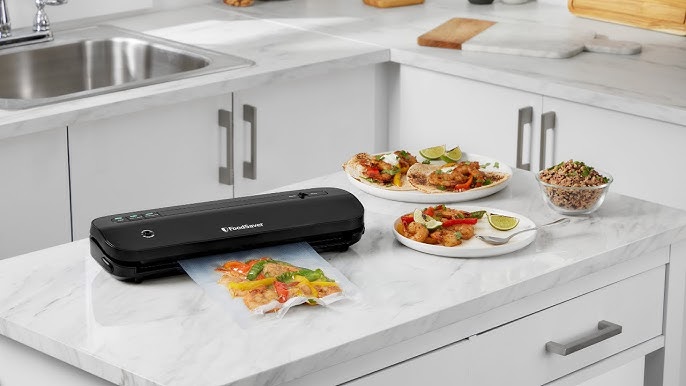
At its core, vacuum sealing is a straightforward but brilliant process. It removes the air from a specially designed bag or container before creating an airtight seal. Why is this a game-changer? Air, or more specifically the oxygen in it, is the primary enemy of fresh food. It fuels the growth of bacteria, mold, and yeast, and it’s the culprit behind that dreaded “freezer burn.”
By removing the air, you dramatically slow down the spoilage process. The benefits are huge:
- Extended Freshness: Food can last up to five times longer than traditional storage methods. That’s weeks instead of days for refrigerated items and years instead of months for frozen goods.
- Say Goodbye to Freezer Burn: Freezer burn happens when moisture on the surface of your food evaporates and refreezes as ice crystals. An airtight seal prevents this entirely, preserving the original texture and flavor.
- Save Big on Groceries: Buy in bulk, seal in meal-sized portions, and stop throwing away spoiled leftovers. Your wallet will thank you.
- The Sous Vide Secret Weapon: If you’re into sous vide cooking, a vacuum sealer is non-negotiable. It ensures perfect heat transfer and locks in all the juices and flavor.
- Marinade in Minutes: The vacuum process opens up the pores of meat and fish, allowing marinades to penetrate deeply in as little as 20 minutes instead of hours.
Not All Sealers Are Created Equal: The Main Types
When you start shopping, you’ll notice two main categories of vacuum sealers. Think of it like choosing between a reliable family sedan and a heavy-duty pickup truck; both get you where you’re going, but they’re built for different jobs.
External (or “Edge”) Vacuum Sealers
This is the most common type for home kitchens. You place the open end of the bag into the machine’s channel, close the lid, and it sucks the air out before heat-sealing the edge. They’re compact, affordable, and perfect for sealing solid and dry foods like meats, cheeses, and vegetables.
Chamber Vacuum Sealers
These are the workhorses. You place the entire bag inside a chamber. The machine then removes the air from the entire chamber, so the air pressure inside and outside the bag remains equal. This clever trick means you can seal liquids like soups, stews, and sauces without sucking them into the machine. They’re larger, more expensive, and typically found in commercial kitchens or in the homes of serious food preservers.
How Do You Actually Use a Vacuum Sealer? A Step-by-Step Guide
It might look intimidating, but using a standard external sealer is incredibly simple. I remember my first time; I was hesitant, but after one successful seal, I was hooked.
- Prepare Your Food: Make sure the food is cool and dry if possible. For liquids or very moist foods, pre-freezing them for an hour or two is a game-changing trick.
- Choose Your Bag: Use a bag or roll designed for your sealer. Cut your bag from the roll, making sure to leave at least three inches of extra space at the top. Remember to seal one end of the bag first if you’re using a roll.
- Fill the Bag: Place the food inside, arranging it in a single layer if possible. Be careful not to overfill it. Fold back the top of the bag before filling to keep the sealing area clean and dry.
- Position the Bag: Open the lid of your sealer and place the open end of the bag neatly into the vacuum channel or drip tray, according to your model’s instructions. A clean, flat placement is key.
- Seal It Up: Close the lid firmly until it clicks into place. Press the “Vacuum & Seal” button. The machine will whir to life, suck out the air, and then the heat bar will activate to create a strong, permanent seal.
- Check Your Work: Once it’s finished, open the lid and inspect the seal. It should be clear and complete, with no wrinkles or gaps. That’s it!
My Pro Tips for Sealing Like a Seasoned Chef
Over the years, I’ve learned a few tricks that make a huge difference in getting that perfect seal every time.
- Double Seal It: For long-term freezer storage or for anything liquidy, I always hit the “Seal” button a second time to create an extra seal about a quarter-inch away from the first. It’s great insurance.
- Protect from Punctures: If you’re sealing something with sharp edges, like bones or dried pasta, fold a small piece of paper towel and place it over the sharp points inside the bag before sealing.
- The Pre-Freeze Method: I can’t stress this enough for moist foods. Spreading berries on a baking sheet and freezing them solid before sealing prevents them from being crushed into a jam. The same goes for burgers, meatballs, and portions of soup.
- Label Everything: You might think you’ll remember what that frozen block is, but trust me, in six months, you won’t. Use a permanent marker to write the contents and the date on the bag before you fill it.
|
Our Picks for the Best Food Vacuum Cealer in 2026
As an Amazon Associate, we earn from qualifying purchases.
|
||
| Num | Product | Action |
|---|---|---|
| 1 | Vacuum Sealer Machine Powerful 90Kpa Precision 6-in-1 Compact Food Preservation System with Cutter, 2 Bag Rolls & 5 Pre-cut Bags, Widened 12mm Sealing Strip, Dry&Moist Modes (Silver) |

|
| 2 |
|
|
| 3 | Chef Preserve Compact Vacuum Sealer for Food (Vacuum Sealer Machine + 30 Reusable Vacuum Bags) Powerful Handheld Vacuum Sealer Machine, Seal Meal Saver, Portable Food Sealer |
|
| 4 | Nesco Deluxe Food VS-12 Vacuum Sealer, 130 Watts, Kit Bags & Viewing Lid, Compact, Silver |
|
| 5 | FoodSaver Compact Vacuum Sealer Machine with Airtight Bags and Roll - Ideal for Sous Vide and Airtight Food Storage, White |
|
| 6 | SEATAO VH5188 Automatic Vacuum Sealer Machine, 90kPa Multifunction Commercial Vacuum Food Sealer For Food Preservation, Dry & Moist & Food & Extended Modes, LED lights, Double Seal |
|
| 7 | FoodSaver Vacuum Sealer Machine, Automatic Bag Detection, Sous Vide Friendly, with sealer bags, roll, handheld vacuum sealer, black |
|
| 8 | NutriChef Automatic Vacuum Air Sealing System for Food Preservation with Starter Kit, Compact Design, Lab Tested, Dry & Moist Food Modes with Led Indicator Lights, Black |
|
| 9 | FoodSaver V4400 2-in-1 Vacuum Sealer Machine with Automatic Vacuum Sealer Bag Detection and Starter Kit |
|
| 10 | Vakumar Liquid Vacuum Sealer Machine, 90Kpa Vacuum Sealer Machine Preservation Dry/Moist/Liquid Modes, LED Indicator Light, Handle Locked Design, Built-in Cutter and Bag Storage, Removable Drip Tray |
|
What Foods Can You Vacuum Seal? The Do’s and Don’ts
While you can seal most things, some foods require a little extra care or should be avoided altogether.
The “Heck Yes!” List
- Meats and Poultry: Raw or cooked, this is a vacuum sealer’s bread and butter.
- Fish: Excellent for preserving delicate fish without freezer burn.
- Hard Cheeses: Prevents mold and keeps them from drying out.
- Dried Goods: Flour, sugar, pasta, nuts, and coffee beans stay fresh much longer.
- Vegetables (with a catch): Most veggies do great, but see the list below.
- Soups and Stocks: Using the pre-freeze method, you can have single servings of homemade soup ready to go.
The “Hold On a Minute” List
- Cruciferous Vegetables: Things like broccoli, cauliflower, cabbage, and Brussels sprouts release gases as they sit. If you seal them raw, the bag will eventually expand. To seal them safely, you must blanch them first (a quick boil followed by an ice bath).
- Soft Cheeses: Cheeses like brie, ricotta, and blue cheese don’t do well. Their texture and mold-ripening process can be ruined.
- Fresh Mushrooms and Garlic: Similar to cruciferous veggies, they can release gases. It’s better to cook them first or use dried versions.
- Whole Onions: The compounds in onions can also release gases and degrade quickly.
Choosing Your 2025 Champion: What to Look for in Trending Vacuum Sealer Models
The market is full of options, so what separates a good model from one of the trending vacuum sealer models 2025? It’s about looking beyond the basic function and focusing on features that add convenience, power, and versatility.
“The future of kitchen appliances is in smart integration and user-centric design. For vacuum sealers, this means more power, less waste, and features that adapt to how people actually cook and live their lives.” – Dr. Elena Vance, Food Preservation Specialist
Here’s what to keep an eye on:
Smart Features & Integrated Tech
The newest models are incorporating smarter technology. Look for features like automatic bag detection, moisture sensors that switch to a “moist food” setting to prevent liquids from being sucked up, and integrated roll storage with a built-in cutter. This streamlines the whole process from a clunky chore to a seamless kitchen task.
Power and Versatility
A strong motor isn’t just about speed; it’s about a better, more reliable vacuum. Top-tier models for 2025 will boast dual-piston pumps for commercial-grade power. Also, look for versatile settings, including a gentle mode for delicate items like baked goods and a marinate mode for infusing flavor quickly. The ability to use an accessory hose to seal canisters and jars is a huge plus.
User-Friendly Design and Durability
The best appliances are the ones you actually enjoy using. This means intuitive, one-touch controls, a compact footprint that doesn’t hog counter space, and an easy-to-clean, removable drip tray. Materials are also key. While plastic models are common, those with stainless steel construction are not only more durable but also easier to keep clean.
Sustainability and Efficiency
With a growing focus on reducing waste, look for models that are efficient and compatible with reusable or compostable bags. The ability to create custom-sized bags from a roll also means you use only what you need, minimizing plastic waste compared to pre-cut bags.
Frequently Asked Questions
How long does vacuum-sealed food actually last?
It varies by food type and storage method. In the freezer, food can last 2-3 years instead of 6-12 months. In the fridge, items like cheese and deli meats can last for weeks instead of days. It dramatically extends shelf life across the board.
Can you reseal bags of chips or cereal?
Absolutely! Most external vacuum sealers have a “Seal Only” function. You can use it to reseal chip bags, cereal bags, and other packaging to keep the contents fresh. Just make sure the sealing area is clean and not greasy.
Are the special vacuum sealer bags necessary?
Yes, they are. These bags are made from a multi-layer material designed to block oxygen and moisture. They also have special textured channels on one side that allow air to be pulled out efficiently. Regular plastic bags won’t work and can melt.
Is a chamber vacuum sealer worth it for home use?
For most people, an external sealer is perfectly sufficient. However, if you frequently seal large quantities of liquids (like soups, stews, or broths), or if you are a serious homesteader, hunter, or sous vide enthusiast, a chamber sealer can be a worthwhile long-term investment.
Will a vacuum sealer save me money?
Without a doubt. While there’s an upfront cost, the savings from buying in bulk, preserving leftovers, and eliminating food waste add up incredibly quickly. Many users find their machine pays for itself within the first year.
Your Journey to a Fresher Kitchen Starts Now
Stepping into the world of vacuum sealing is one of the single best things you can do for your kitchen, your budget, and your peace of mind. It transforms the way you shop, cook, and store food. By understanding the key benefits and knowing what to look for, you’re now fully equipped to choose from the trending vacuum sealer models 2025 and find the perfect partner for your culinary adventures. So go ahead, take the plunge, and get ready to enjoy fresher food for longer than you ever thought possible.