Welcome to the ultimate Handheld Vs Countertop Vacuum Sealer Comparison, brought to you by the team here at Food Vacuum Sealer! Let’s be real for a moment. You’ve probably stared into your fridge at some point, seen that pack of chicken or those beautiful berries you bought just a few days ago, and felt that little pang of guilt. Are they still good? How much longer do they have? We’ve all been there. Food waste is a huge drain on our wallets and our planet. The good news? A vacuum sealer is one of the most powerful tools you can have in your kitchen arsenal to fight back. But then comes the big question: which type is right for you? It’s a classic kitchen showdown, and we’re here to give you the ringside seat.
What’s the Big Deal with Vacuum Sealing Anyway?
Before we dive into the main event, let’s quickly cover why you’d even want one of these gadgets in the first place. It’s not just about fancy plastic bags; it’s about science.
A vacuum sealer works by removing the air from a specially designed bag or container before creating an airtight seal. Why does this matter? Oxygen is the primary enemy of food freshness. It’s what causes oxidation, which leads to spoilage, funky smells, and that dreaded freezer burn that turns a juicy steak into a sad, icy husk.
By removing most of the air, you:
- Dramatically extend shelf life: We’re talking about keeping food fresh up to 5 times longer than traditional storage methods.
- Prevent freezer burn: No air means no ice crystals can form on your food’s surface.
- Save money: Buy in bulk when prices are low, seal it up, and enjoy savings for months. Plus, you’ll throw away far less spoiled food.
- Marinate in minutes: The vacuum pressure opens up the pores of meat, allowing marinades to penetrate deeply in as little as 20 minutes instead of hours.
- Perfect for sous vide: If you’re into sous vide cooking, a vacuum sealer is non-negotiable for creating that perfect, watertight seal.
Meet the Contenders: Handheld vs. Countertop
Alright, let’s get to the heart of the matter. In one corner, we have the lightweight, nimble handheld sealer. In the other, the powerful, feature-rich countertop model. They both aim to do the same job, but they go about it in very different ways.
The Nimble Handheld Sealer
Think of the handheld vacuum sealer as the “point-and-shoot” camera of the food preservation world. It’s small, often cordless, and incredibly easy to use. I personally keep one in my drawer for quick jobs like sealing a block of cheese after I’ve cut a few slices or preserving leftover deli meats for the week.
They typically work with special reusable zipper-top bags or containers that have a small valve on them. You just press the handheld device over the valve, push a button, and it sucks the air right out.
Pros:
- Compact & Portable: They take up virtually no counter space and can be easily stored in a drawer.
- Affordable: The initial investment is significantly lower than a countertop model.
- Easy to Use: The learning curve is practically non-existent. It’s perfect for quick, everyday tasks.
- Great for Delicate Items: Since you control the suction manually, you’re less likely to crush delicate foods like bread or berries.
Cons:
- Less Power: The suction isn’t as strong as a countertop machine, so it might not remove as much air.
- Bag Dependency: You’re often locked into using the manufacturer’s specific, and sometimes more expensive, valve-style bags.
- Not for Bulk Sealing: Trying to seal 20 pounds of ground beef with a handheld would be a tedious, battery-draining nightmare.
The Powerhouse Countertop Sealer
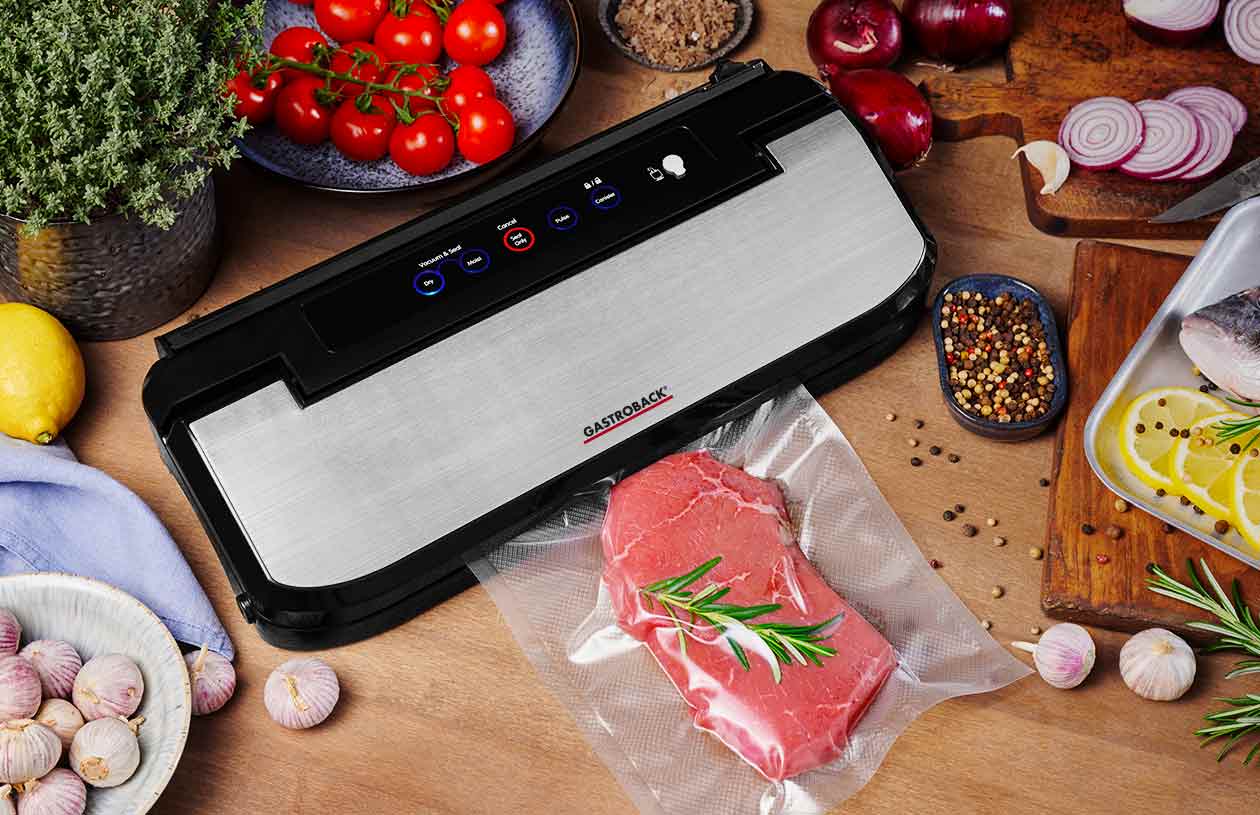
This is the workhorse. The countertop vacuum sealer is a more substantial appliance that lives on your counter or in a cabinet. These are “edge sealers,” meaning you place the open end of a bag into a vacuum channel, close the lid, and the machine automatically vacuums the air out and then uses a heat bar to melt the plastic together, creating a super-strong seal.
Pros:
- Maximum Suction Power: These machines are built to remove as much air as physically possible, ensuring the best possible preservation.
- Versatility: They work with less expensive vacuum sealer rolls, which you can cut to any size you need. Many also come with an accessory port and hose for sealing canisters and marinating containers.
- Built for Volume: If you hunt, fish, garden, or just love a good trip to Costco, this is your best friend. It makes processing large quantities of food fast and efficient.
- Extra Features: Many models include built-in bag roll storage, a cutter, and settings for moist or dry foods.
Cons:
- Takes Up Space: They have a larger footprint and will occupy a chunk of your precious counter real estate.
- Higher Cost: The initial purchase price is higher, though the long-term cost of bags is often lower.
- Can Be Loud: The powerful vacuum pump can make a fair bit of noise during operation.
The Ultimate Handheld vs Countertop Vacuum Sealer Comparison
To make things crystal clear, let’s put them side-by-side in a table.
| Feature | Handheld Vacuum Sealer | Countertop Vacuum Sealer |
|---|---|---|
| Suction Power | Lower; good for everyday use | High; best for long-term freezer storage |
| Size & Storage | Small, fits in a drawer | Large, requires counter or cabinet space |
| Best For | Short-term fridge storage, delicate items, small jobs | Bulk sealing, long-term freezer storage, sous vide |
| Bag Type | Proprietary valve bags/containers (often reusable) | Rolls and pre-cut bags (cut-to-size, lower cost) |
| Initial Cost | Low ($20 – $60) | Moderate to High ($60 – $300+) |
| Ease of Use | Extremely simple, point-and-press | Simple, but with a slight learning curve |
| Versatility | Limited to specific bags and containers | High; works with bags, rolls, canisters, marinators |
How Do You Actually Use These Things?
Glad you asked! While each model is slightly different (always read your manual!), the basic process is straightforward for both.
Using a Handheld Sealer: A Step-by-Step Guide
- Place Food In Bag: Put your food (e.g., a block of cheddar) into the specially designed zipper-top valve bag.
- Seal the Zipper: Press the zipper firmly closed, ensuring it’s completely sealed from end to end.
- Position the Sealer: Place the bag flat on the counter. Line up the nozzle of the handheld sealer directly over the air valve on the bag.
- Press and Vac: Press the button on your sealer. You’ll hear the motor whir and see the bag shrink tightly around your food.
- Release and Store: Once the bag is fully vacuumed, just lift the sealer away. The valve will keep the air out. That’s it!
Using a Countertop Sealer: A Step-by-Step Guide
- Create a Bag: If using a roll, pull out enough material to hold your food plus an extra 3-4 inches. Use the machine’s built-in cutter to get a straight edge.
- Seal One End: Place one of the open ends onto the machine’s heat strip, close the lid, and press the “Seal” button. This creates the bottom of your bag.
- Fill the Bag: Place your food inside the newly created bag.
- Position for Sealing: Place the open end of the filled bag into the machine’s vacuum channel. Be careful not to overfill the bag.
- Vac & Seal: Close the lid, lock it, and press the “Vac/Seal” button. The machine will automatically remove the air and then seal the bag shut.
- Release and Admire: Wait for the machine’s indicator light to turn off, then unlock and open the lid. You’ve got a perfectly sealed package.
Pro Tips to Seal Like a Pro
To get the most out of your machine and avoid common pitfalls, keep these tips in mind.
- Leave Headspace: Always leave at least 2-3 inches of space at the top of the bag. This ensures the machine can get a good grip and create a clean seal.
- Pre-Freeze Liquids: Trying to vacuum seal liquids like soups or stews is a recipe for disaster. Instead, pour them into a container, freeze them solid, then pop the frozen block into a bag to seal.
- Double Seal is a Good Deal: For items going into the freezer for a long time or anything with moisture (like meat), use the “Seal” function to add a second seal for extra security.
- Blanch Your Veggies: For vegetables like broccoli, cauliflower, and leafy greens, blanch them briefly in boiling water and then plunge them into an ice bath before drying and sealing. This stops the enzymes that can cause them to spoil and develop off-flavors, even when frozen.
|
Our Picks for the Best Food Vacuum Cealer in 2026
As an Amazon Associate, we earn from qualifying purchases.
|
||
| Num | Product | Action |
|---|---|---|
| 1 | FoodSaver Vacuum Sealer Machine, Automatic Bag Detection, Sous Vide Friendly, with sealer bags, roll, handheld vacuum sealer, black |

|
| 2 | SEATAO VH5188 Automatic Vacuum Sealer Machine, 90kPa Multifunction Commercial Vacuum Food Sealer For Food Preservation, Dry & Moist & Food & Extended Modes, LED lights, Double Seal |
|
| 3 | Vakumar Liquid Vacuum Sealer Machine, 90Kpa Vacuum Sealer Machine Preservation Dry/Moist/Liquid Modes, LED Indicator Light, Handle Locked Design, Built-in Cutter and Bag Storage, Removable Drip Tray |
|
| 4 |
|
|
| 5 | FoodSaver V4400 2-in-1 Vacuum Sealer Machine with Automatic Vacuum Sealer Bag Detection and Starter Kit |
|
| 6 | Chef Preserve Compact Vacuum Sealer for Food (Vacuum Sealer Machine + 30 Reusable Vacuum Bags) Powerful Handheld Vacuum Sealer Machine, Seal Meal Saver, Portable Food Sealer |
|
| 7 | NutriChef Automatic Vacuum Air Sealing System for Food Preservation with Starter Kit, Compact Design, Lab Tested, Dry & Moist Food Modes with Led Indicator Lights, Black |
|
| 8 | Nesco Deluxe Food VS-12 Vacuum Sealer, 130 Watts, Kit Bags & Viewing Lid, Compact, Silver |
|
| 9 | FoodSaver Compact Vacuum Sealer Machine with Airtight Bags and Roll - Ideal for Sous Vide and Airtight Food Storage, White |
|
| 10 | Vacuum Sealer Machine Powerful 90Kpa Precision 6-in-1 Compact Food Preservation System with Cutter, 2 Bag Rolls & 5 Pre-cut Bags, Widened 12mm Sealing Strip, Dry&Moist Modes (Silver) |
|
What Should You Seal (And What Should You Avoid)?
You can vacuum seal a massive variety of foods, but some things are better left out of the bag.
Foods That Are GREAT for Vacuum Sealing:
- Raw and cooked meats, poultry, and fish
- Hard cheeses
- Hard fruits and vegetables
- Dry goods like coffee beans, flour, sugar, and pasta
- Baked goods and breads (pre-freeze first to prevent crushing)
Foods You SHOULDN’T Vacuum Seal (Raw):
- Cruciferous Vegetables: Broccoli, cabbage, cauliflower, and Brussels sprouts can emit gasses as they ripen, which will cause the bag to expand. It’s best to blanch them first.
- Mushrooms: They ripen quickly and can decay faster when sealed in a vacuum.
- Whole Onions and Garlic: Sealing these raw can create a risk of botulism due to the lack of oxygen and their natural properties.
- Soft Cheeses: Cheeses like brie, ricotta, and blue cheese don’t fare well under a vacuum.
As Chef Isabella Rossi, a food preservation expert, often says, “A vacuum sealer doesn’t make bad food good; it makes good food last longer. Always start with the freshest ingredients you can find for the best results.”
So, Which Vacuum Sealer Should I Buy?
The right choice in the handheld vs countertop vacuum sealer comparison comes down to your specific lifestyle and kitchen habits. Ask yourself these questions:
- How much space do I have? If you live in a small apartment with limited counter space, a handheld is a clear winner. If you have a large kitchen or pantry, a countertop model is a viable option.
- What will I be sealing most often? If it’s just for leftovers, deli meat, and cheese, a handheld will serve you perfectly. If you’re a bulk buyer, gardener, hunter, or sous vide enthusiast, you will be much happier with the power and versatility of a countertop model.
- What is my budget? A handheld is a low-risk entry into the world of vacuum sealing. A countertop model is more of an investment, but one that can pay for itself very quickly in saved food costs.
Frequently Asked Questions
Can I reuse vacuum sealer bags?
For handheld models, the special zipper-top bags are designed to be reused. For countertop models, you can reuse bags that previously held dry goods (like nuts or crackers). However, you should never reuse bags that have held raw meat, fish, or poultry due to the risk of bacterial contamination.
How much longer does vacuum-sealed food last in the freezer?
Properly vacuum-sealed food can last 2-3 years in the freezer without suffering from freezer burn, compared to just 6-12 months using traditional methods.
Will a vacuum sealer crush my potato chips?
A powerful countertop sealer absolutely will! For delicate items like chips or bread, you can either use a “pulse” function if your machine has one, or simply hit the “seal” button manually once you see enough air has been removed but before the item gets crushed.
Do I need a vacuum sealer for sous vide?
While you can use the water displacement method with regular zipper bags, a vacuum sealer provides a more reliable, truly airtight seal. This prevents water from getting into your bag and ensures even cooking, making it the preferred method for serious sous vide cooks.
Is a countertop sealer better than a handheld one?
“Better” is subjective. A countertop sealer is more powerful and versatile, making it the superior choice for bulk sealing and long-term storage. A handheld sealer is better for convenience, small spaces, and quick, everyday tasks.
The Final Verdict
So, who wins the great handheld vs countertop vacuum sealer comparison? The truth is, you do. By understanding the strengths and weaknesses of each type, you can choose the perfect tool to revolutionize how you store food.
For the casual user, the daily leftover-saver, or the small-space dweller, the handheld sealer is a convenient, affordable, and brilliant little gadget. For the serious meal prepper, the bulk shopper, the gardener, or the aspiring chef, the countertop sealer is an indispensable powerhouse that will quickly become one of the most-used appliances in your kitchen. Whichever you choose, you’re taking a fantastic step towards wasting less, saving more, and enjoying fresher food for longer.