Learning how to vacuum seal fish without mess is best achieved using the pre-freeze technique, which involves partially freezing the fish before sealing. This method prevents fish liquids from being drawn into the vacuum sealer, ensuring a strong, airtight seal and preventing machine damage. This technique is crucial for locking in freshness, preventing freezer burn, and extending the shelf life of your fish for up to two years.
The first time I tried sealing a fresh-caught trout, I ended up spending more time cleaning my vacuum sealer’s drip tray than I did fishing. That’s when I realized that sealing fish, or any high-moisture food, is a different ball game. It’s not difficult, but it requires one simple, game-changing technique that turns a potential disaster into a clean, perfect seal every single time.
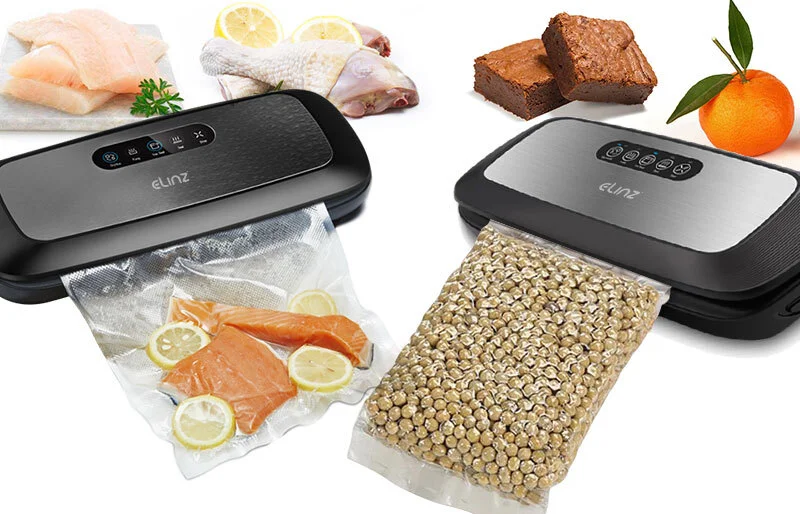 For browse all vacuum sealers articles on this site.
Why is Sealing Wet Foods Like Fish So Tricky?
To understand the solution, you first need to understand the problem. Why does fish create such a headache for vacuum sealers? The answer is simple: moisture.
The core function of a suction-style vacuum sealer (the most common type in home kitchens) is to suck all the air out of the bag before using heat to create a seal. When you seal something wet like a fresh fish fillet, the machine can’t tell the difference between air and liquid. It just keeps pulling, which leads to two major problems:
- Seal Failure: If even a tiny amount of moisture gets pulled into the sealing area, it prevents the plastic from melting together properly. This results in a weak or incomplete seal, which defeats the entire purpose of vacuum sealing.
- Machine Damage: That fishy liquid isn’t just messy; it can get into the vacuum pump and internal components of your sealer. Over time, this can lead to bacteria growth, unpleasant odors, and even permanent damage to your appliance.
So, the golden rule is this: keep the liquid away from the seal bar. But how do you do that with something as naturally moist as fish?
The Secret Weapon: How to Vacuum Seal Fish Without Mess
The single most effective method for vacuum sealing fish cleanly is the pre-freeze technique. This simple step is what professional chefs and commercial fisheries use, and it will completely improve your food preservation game. It sounds simple, and it is, but the results are profound.
The idea is to firm up the surface of the fish just enough to lock in the moisture before you seal it. This prevents any liquid from being drawn out during the vacuum process.
Your Step-by-Step Guide to a Perfect, Mess-Free Seal
|
Our Picks for the Best Food Vacuum Cealer in 2026
As an Amazon Associate, we earn from qualifying purchases.
|
||
| Num | Product | Action |
|---|---|---|
| 1 | Chef Preserve Compact Vacuum Sealer for Food (Vacuum Sealer Machine + 30 Reusable Vacuum Bags) Powerful Handheld Vacuum Sealer Machine, Seal Meal Saver, Portable Food Sealer |

|
| 2 | FoodSaver V4400 2-in-1 Vacuum Sealer Machine with Automatic Vacuum Sealer Bag Detection and Starter Kit |
|
| 3 | Anova Culinary Precision Vacuum Sealer Pro, Includes Large Bag Roll (19ft), Wet & Dry Dual Food Vacuum Sealer Machine for Sous Vide and Long-Term Storage, 2-Year Warranty |
|
| 4 | FoodSaver Compact Vacuum Sealer Machine with Airtight Bags and Roll - Ideal for Sous Vide and Airtight Food Storage, White |
|
| 5 | FoodSaver Vacuum Sealer Machine, Automatic Bag Detection, Sous Vide Friendly, with sealer bags, roll, handheld vacuum sealer, black |
|
| 6 | SEATAO VH5188 Automatic Vacuum Sealer Machine, 90kPa Multifunction Commercial Vacuum Food Sealer For Food Preservation, Dry & Moist & Food & Extended Modes, LED lights, Double Seal |
|
| 7 | Nesco Deluxe Food VS-12 Vacuum Sealer, 130 Watts, Kit Bags & Viewing Lid, Compact, Silver |
|
| 8 | Vacuum Sealer Machine Powerful 90Kpa Precision 6-in-1 Compact Food Preservation System with Cutter, 2 Bag Rolls & 5 Pre-cut Bags, Widened 12mm Sealing Strip, Dry&Moist Modes (Silver) |
|
| 9 | Vakumar Liquid Vacuum Sealer Machine, 90Kpa Vacuum Sealer Machine Preservation Dry/Moist/Liquid Modes, LED Indicator Light, Handle Locked Design, Built-in Cutter and Bag Storage, Removable Drip Tray |
|
| 10 | NutriChef Automatic Vacuum Air Sealing System for Food Preservation with Starter Kit, Compact Design, Lab Tested, Dry & Moist Food Modes with Led Indicator Lights, Black |
|
Ready to say goodbye to messy sealing forever? Follow these five simple steps.
- Prep Your Fish: Start by patting the fish fillets completely dry with a paper towel. Remove as much surface moisture as possible. If you’re working with a large piece of fish, now is the time to portion it into meal-sized servings.
- The Pre-Freeze: Place the portioned, dry fish fillets on a baking sheet lined with parchment paper or a silicone mat. Make sure the pieces aren’t touching. Place the sheet in the freezer for about 1-2 hours. You’re not trying to freeze it solid—you just want the exterior to be firm to the touch.
- Bag It Up: Once the fish is firm, it’s time to bag it. Place a single portion into a vacuum sealer bag. Pro tip: Always use a bag that’s a few inches longer than you think you need. This gives the machine enough space to get a good grip and create a strong seal. Fold the top edge of the bag outward before putting the fish in to prevent any fish residue from contaminating the sealing area.
- Seal with Confidence: Unfold the cuff of the bag, place the open end into your vacuum sealer according to the manufacturer’s instructions, and run the vacuum and seal cycle. Because the fish is partially frozen, the vacuum process won’t pull out any liquid, allowing the machine to create a perfect, durable, airtight seal.
- Label and Store: Use a permanent marker to label the bag with the type of fish and the date it was sealed. Immediately return the sealed packages to the freezer for long-term storage.
Expert Take: According to food preservation specialist Chef Isabella Rossi, “The pre-freeze method is non-negotiable for delicate proteins like fish. It not only ensures a clean seal but also helps maintain the fish’s texture. When you freeze it solid without a vacuum seal, ice crystals form and damage the cell walls, leading to a mushy texture upon thawing. Pre-freezing just firms the surface, allowing the vacuum sealer to do its job before the damaging deep freeze sets in.”
Quick-Fix Methods for When You’re in a Pinch
What if you don’t have time to pre-freeze? While it’s highly recommended, there are a couple of other tricks you can use.
The Paper Towel Barrier
Fold a small strip of paper towel and place it inside the bag between the fish and where the seal will be. The paper towel will act as a barrier, absorbing any excess moisture before it can reach the sealing bar. Just be aware this method isn’t foolproof and a small amount of liquid can still sneak by.
Create a Liquid Trap
If your bags are long enough, you can create a cuff or “trap” just below the seal line by making a preliminary seal. Place the fish below this first seal, then vacuum and seal above it as you normally would. The first seal acts as a barrier, trapping any liquid.
Pro Tips for the Best Results
- Start Cold, Stay Cold: Always work with fish that is well-chilled, straight from the refrigerator. Warmer fish will release more moisture.
- Don’t Overfill: Never overstuff your vacuum sealer bags. Leave at least 3-4 inches of empty space at the top of the bag for a reliable seal.
- Quality Bags Matter: Don’t skimp on the bags. High-quality, multi-ply bags are less likely to puncture and will provide a better barrier against freezer burn.
- Keep It Clean: Always wipe down your machine after each use, especially the drip tray and seal bar. Keeping your machine in top shape is crucial, especially after sealing messy foods. For a deeper dive into this, our guide on eco friendly vacuum sealer cleaning tips provides an excellent resource for ensuring longevity and hygiene.
What’s the Best Type of Vacuum Sealer for Fish?
The best type of vacuum sealer for consistently sealing fish and other liquids is a chamber vacuum sealer. These machines work by placing the entire bag inside a chamber and equalizing the pressure, so liquids stay put in the bag. However, they are larger and more expensive. For most home cooks, a high-quality suction sealer combined with the pre-freeze technique is more than enough to get professional-grade results.
Frequently Asked Questions
Can you vacuum seal fish with the skin on?
Absolutely! The process is exactly the same. Just make sure to pat the skin side dry, just as you would the flesh side, before you begin the pre-freezing step.
How long does vacuum-sealed fish last in the freezer?
Properly vacuum-sealed fish can last up to 2 years in the freezer without any loss of quality or flavor, and without developing freezer burn. This is a massive improvement over the typical 3-6 months for fish stored in standard freezer bags or plastic wrap.
Do I need to pre-freeze oily fish like salmon or mackerel?
Yes, you should definitely pre-freeze oily fish. In fact, it’s even more important. The healthy oils in fish like salmon can go rancid over time, even in the freezer. Removing the oxygen through vacuum sealing dramatically slows this process, preserving that rich flavor.
Can you vacuum seal marinated fish?
Yes, and it’s a fantastic way to infuse flavor. However, the pre-freezing step is essential here. Place the fish and marinade in the bag, then place the open bag upright in the freezer until the marinade is frozen solid. Once frozen, you can lay it flat and seal it without any liquid causing issues.
Why did my vacuum-sealed bag lose its seal in the freezer?
This usually happens for one of two reasons. First, a small amount of moisture may have prevented a perfect seal from the start. Second, a sharp bone or edge of the frozen fish may have punctured the bag. When sealing fish with sharp fins or bones, it’s a good idea to place a small piece of paper towel over the sharp point before sealing.
Your Freezer Will Thank You
Mastering how to vacuum seal fish without mess is a skill that pays for itself. You’ll waste less food, enjoy peak-season fish year-round, and save a significant amount of money by buying in bulk when prices are low. By embracing the simple pre-freeze technique, you can leave the mess and frustration behind for good. So go ahead, stock up on that fresh catch, and fill your freezer with perfectly preserved, ready-to-cook portions for delicious meals anytime.
Frequently Asked Questions
Can you vacuum seal fish with the skin on?
Yes, you can vacuum seal fish with the skin on. The process remains the same; simply ensure you pat the skin side dry thoroughly, just as you would the flesh side, before proceeding with the pre-freezing step.
How long does vacuum-sealed fish last in the freezer?
Properly vacuum-sealed fish can last up to 2 years in the freezer without any loss of quality or flavor, and without developing freezer burn. This significantly extends its shelf life compared to the typical 3-6 months for fish stored in standard freezer bags.
Do I need to pre-freeze oily fish like salmon or mackerel?
Yes, pre-freezing is highly recommended for oily fish such as salmon or mackerel. The healthy oils in these fish can go rancid over time, even in the freezer. Removing oxygen through vacuum sealing dramatically slows this process, preserving their rich flavor and quality.
Can you vacuum seal marinated fish?
Yes, vacuum sealing marinated fish is an excellent way to infuse flavor, but the pre-freezing step is essential. Place the fish and marinade in the bag, then freeze the open bag upright until the marinade is solid. Once frozen, you can lay it flat and seal it without liquid issues.
Why did my vacuum-sealed bag lose its seal in the freezer?
A vacuum-sealed bag typically loses its seal due to two main reasons: either a small amount of moisture prevented a perfect seal initially, or a sharp bone or edge of the frozen fish punctured the bag. To prevent punctures, place a small piece of paper towel over any sharp points before sealing.
How to Vacuum Seal Fish Without Mess
Follow these five simple steps to vacuum seal fish cleanly and effectively using the pre-freeze technique, ensuring a perfect, mess-free seal every time.
Start by patting the fish fillets completely dry with a paper towel to remove as much surface moisture as possible. If you have a large piece of fish, portion it into meal-sized servings at this stage.
Place the portioned, dry fish fillets on a baking sheet lined with parchment paper or a silicone mat, ensuring pieces do not touch. Freeze for about 1-2 hours until the exterior is firm to the touch, but not completely solid.
Once the fish is firm, place a single portion into a vacuum sealer bag, using a bag a few inches longer than needed. Fold the top edge of the bag outward before inserting the fish to prevent residue from contaminating the sealing area.
Unfold the bag's cuff, place the open end into your vacuum sealer, and run the vacuum and seal cycle. The partially frozen fish will prevent liquid extraction, allowing the machine to create a perfect, durable, airtight seal.
Use a permanent marker to label the bag with the type of fish and the sealing date. Immediately return the sealed packages to the freezer for long-term storage, preserving freshness for up to two years.
Get our weekly buyer guide
Practical specs, not advice. Unsubscribe anytime.
The pre-freeze idea is solid and it does help with the mess, but it adds an extra step that can be a bit inconvenient when you’re trying to process a lot of fish quickly. I appreciate the tip for preventing machine damage, though. I’ll keep using it for my more delicate fish, but for larger batches, I might look for a sealer with a better liquid trap.
I used to dread vacuum sealing fish because of the mess, but the pre-freeze technique mentioned here is a total game-changer! I tried it with some salmon fillets I caught last weekend, and it worked perfectly. No more liquid getting sucked into my machine, and the seals are super tight. My fish stays fresh for so much longer now, and I don’t have to worry about freezer burn.
This method for sealing fish is really effective. I’ve always struggled with getting a good seal on my fresh catches, especially with trout, and the partial freeze made all the difference. It definitely prevents the liquids from messing up the sealer. I just wish I had known about this trick sooner, it would have saved me a lot of cleanup time.
I’m so glad I found this! I’ve been trying to extend the shelf life of my fish, and this technique is exactly what I needed. I used to get freezer burn all the time, even with my vacuum sealer, but now my fish stays perfect for months. It’s amazing how much difference that one simple step makes for locking in freshness.