To effectively preserve fish and meat, a vacuum sealer removes oxygen and creates an airtight seal, extending freezer storage life from months to years and preventing freezer burn. For example, beef and poultry can last 2-3 years vacuum-sealed, compared to 6-12 months typically. This not only maintains flavor and texture but also reduces food waste and saves money by allowing bulk purchases.
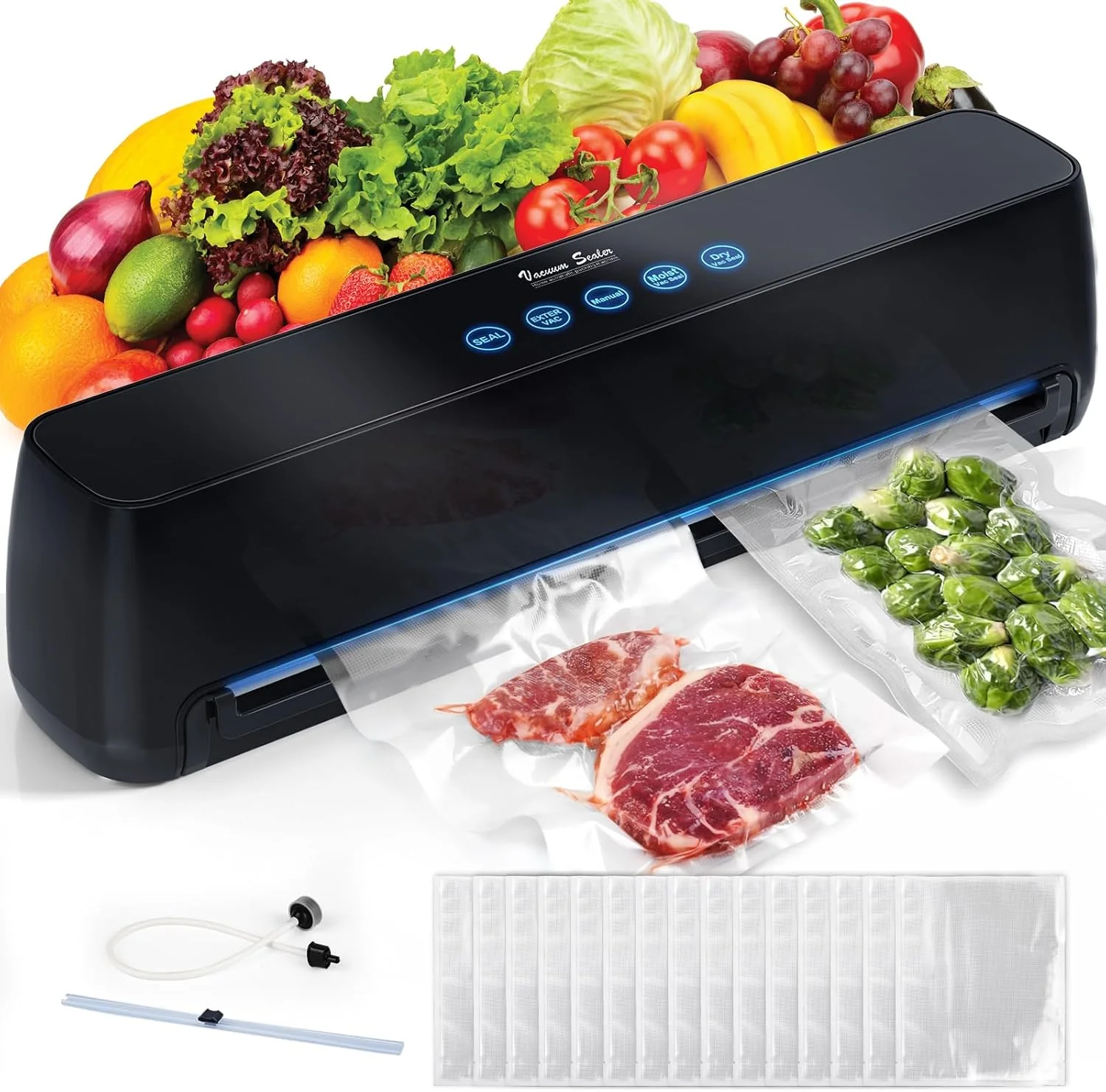
Why a Vacuum Sealer is a major upgrade for Fish and Meat
So, what’s the magic behind it? It’s actually simple science. The main culprit behind food spoilage and freezer burn is oxygen. Oxygen allows for oxidation (which ruins flavor and color) and lets tiny ice crystals form on the surface of your food. For complete vacuum sealers library on this site.
A vacuum sealer tackles this head-on by doing two things:
- It removes virtually all the air from the package. No air, no oxygen.
- It creates an airtight seal to prevent any air from getting back in.
The result? You’re essentially hitting the “pause” button on the aging process. For delicate and expensive items like fish and meat, this is huge.
Expert Take: As Chef Julian Carter, a specialist in food preservation techniques, puts it, “A vacuum sealer isn’t just a tool for storage; it’s a tool for quality control. You lock in the freshness, texture, and flavor of the protein at its peak. The difference between a vacuum-sealed steak and one just wrapped in plastic after three months in the freezer is night and day.”
Here’s a quick look at how much longer your fish and meat can last:
| Food Item | Typical Freezer Storage | Vacuum Sealed Freezer Storage |
|---|---|---|
| Beef, Poultry | 6-12 months | 2-3 years |
| Fish (Lean) | 6 months | Up to 2 years |
| Fish (Fatty) | 2-3 months | Up to 1 year |
| Ground Meat | 3-4 months | Up to 1 year |
The benefits go beyond just longer storage:
- Save a Ton of Money: Buy meat in bulk or on sale without worrying about it going bad. Fishermen and hunters, this is your best friend for preserving a large haul.
- Eliminate Food Waste: No more tossing out freezer-burned food.
- Superior Flavor Protection: That beautiful ribeye will taste just as fresh in six months as it did the day you bought it.
- Perfect for Sous Vide: If you’re into sous vide cooking, a vacuum sealer is an essential partner for perfect, evenly cooked results.
- Faster Marinating: The vacuum pressure opens up the pores of the meat, allowing marinades to penetrate in minutes, not hours.
What Are the Main Types of Vacuum Sealers?
When you start shopping, you’ll see two main categories. Think of it like choosing between a reliable family sedan and a heavy-duty work truck; both get you there, but they’re built for different jobs.
External (or Suction) Vacuum Sealers
|
Our Picks for the Best Food Vacuum Cealer in 2026
As an Amazon Associate, we earn from qualifying purchases.
|
||
| Num | Product | Action |
|---|---|---|
| 1 | FoodSaver Compact Vacuum Sealer Machine with Airtight Bags and Roll - Ideal for Sous Vide and Airtight Food Storage, White |

|
| 2 | Nesco Deluxe Food VS-12 Vacuum Sealer, 130 Watts, Kit Bags & Viewing Lid, Compact, Silver |
|
| 3 | Vacuum Sealer Machine Powerful 90Kpa Precision 6-in-1 Compact Food Preservation System with Cutter, 2 Bag Rolls & 5 Pre-cut Bags, Widened 12mm Sealing Strip, Dry&Moist Modes (Silver) |
|
| 4 | FoodSaver V4400 2-in-1 Vacuum Sealer Machine with Automatic Vacuum Sealer Bag Detection and Starter Kit |
|
| 5 | NutriChef Automatic Vacuum Air Sealing System for Food Preservation with Starter Kit, Compact Design, Lab Tested, Dry & Moist Food Modes with Led Indicator Lights, Black |
|
| 6 | Anova Culinary Precision Vacuum Sealer Pro, Includes Large Bag Roll (19ft), Wet & Dry Dual Food Vacuum Sealer Machine for Sous Vide and Long-Term Storage, 2-Year Warranty |
|
| 7 | Vakumar Liquid Vacuum Sealer Machine, 90Kpa Vacuum Sealer Machine Preservation Dry/Moist/Liquid Modes, LED Indicator Light, Handle Locked Design, Built-in Cutter and Bag Storage, Removable Drip Tray |
|
| 8 | SEATAO VH5188 Automatic Vacuum Sealer Machine, 90kPa Multifunction Commercial Vacuum Food Sealer For Food Preservation, Dry & Moist & Food & Extended Modes, LED lights, Double Seal |
|
| 9 | FoodSaver Vacuum Sealer Machine, Automatic Bag Detection, Sous Vide Friendly, with sealer bags, roll, handheld vacuum sealer, black |
|
| 10 | Chef Preserve Compact Vacuum Sealer for Food (Vacuum Sealer Machine + 30 Reusable Vacuum Bags) Powerful Handheld Vacuum Sealer Machine, Seal Meal Saver, Portable Food Sealer |
|
This is the most common type you’ll find for home use. You place the open end of a special textured bag into the machine’s channel, close the lid, and it sucks the air out before heat-sealing the bag.
- Pros: Generally more affordable, compact, and easier to store. Perfect for most households.
- Cons: Can struggle with very wet foods or liquids, as the suction can pull moisture into the machine.
Chamber Vacuum Sealers
These are the professional-grade workhorses. You place the entire bag inside the machine. It works by removing the air from the entire chamber (including inside the bag) before sealing it. This process means it can handle liquids like soups and marinades without any issue.
- Pros: Incredible performance, especially with liquids. Can achieve a stronger vacuum.
- Cons: Much larger, heavier, and significantly more expensive.
For most people looking to buy a vacuum sealer for fish and meat for home use, an external sealer with good features is the perfect starting point.
How to Perfectly Vacuum Seal Fish and Meat: A Step-by-Step Guide
Getting a perfect seal isn’t hard, but a few key steps can make all the difference, especially with moisture-rich foods like fish and meat.
- Preparation is Everything: Start with high-quality, fresh protein. Pat the surface of the meat or fish completely dry with a paper towel. Excess moisture is the enemy of a strong seal.
- The Pre-Freeze Trick: This is the #1 tip I give everyone. For very moist items (like fresh fish fillets or ground meat), place them on a parchment-lined baking sheet and “flash freeze” them for 1-2 hours. This firms up the surface, preventing the sealer from crushing delicate items and stopping liquid from being pulled into the vacuum channel.
- Choose the Right Bag Size: Give yourself at least 3-4 inches of extra space at the top of the bag. This ensures you have enough room for the machine to get a good grip and create a solid seal.
- Create a Moisture Barrier (Optional but Recommended): For extra juicy cuts, you can fold a small piece of paper towel and place it inside the bag, just below where you plan to seal it. It will act as a trap for any rogue moisture.
- Position the Bag Correctly: Place the open end of the bag smoothly across the sealing strip, making sure there are no wrinkles or food debris in the seal area.
- Seal It Up: Close the lid, lock it, and press the button. Most machines have automatic “Vac & Seal” functions. For delicate fish, use the “Pulse” function to control the suction manually, stopping before it gets crushed.
- Inspect and Double Up: Always check the seal. It should be clear and complete. For long-term freezer storage, I always recommend doing a second seal about a quarter-inch away from the first one. It’s a little insurance policy that takes two seconds.
- Label and Store: Use a permanent marker to label the bag with the contents and the date. Trust me, you won’t what it is in six months. Then, lay it flat in your freezer.
Pro Tips for Sealing Fish and Meat Like a Chef
Ready to level up? Here are a few tricks I’ve learned over the years.
- Bone Guards are Your Friend: For bone-in cuts like T-bone steaks or pork chops, the sharp edges can puncture the bag. You can wrap the bone ends in a bit of wax paper or buy special “bone guards” to prevent this.
- Portion Control Before Sealing: Freeze in meal-sized portions. It’s much easier to grab one sealed chicken breast than to try and separate a frozen block of ten.
- Don’t Overfill the Bag: This is a classic rookie mistake. Overfilling makes it nearly impossible to get a clean, reliable seal.
- Clean Your Machine: After sealing raw meat or fish, always wipe down the vacuum channel and seal bar with a damp cloth to prevent cross-contamination.
To Seal or Not to Seal: What Else Can You Use It For?
While it’s a champion for fish and meat, your vacuum sealer is more versatile than you think.
Great for Sealing:
- Hard Cheeses: Prevents mold and keeps them fresh for months.
- Vegetables: Ideal for blanching and then freezing veggies like broccoli, green beans, and carrots.
- Dry Goods: Extend the life of coffee beans, nuts, and flour, protecting them from going stale.
- Leftovers: Seal up leftover chili or stew for a quick meal later.
- Non-Food Items: Protect important documents, emergency supplies, or silver from tarnishing.
Be Careful With These:
- Soft Cheeses, Mushrooms, Garlic, and Onions: These can spoil faster or release gases after sealing due to anaerobic bacteria. It’s best to freeze them first if you plan to seal them.
- Cruciferous Vegetables (Raw): Vegetables like broccoli, cabbage, and cauliflower emit gases as they ripen, which can cause the bag to expand. It’s crucial to blanch them before sealing and freezing.
- Soups and Liquids (in an external sealer): Without a chamber sealer, sealing pure liquids is tricky. The best method is to freeze the liquid in an ice cube tray or container first, then seal the solid block.
How to Choose the Right Model and Buy a Vacuum Sealer for Fish and Meat
Feeling ready to make the leap? Here are the key features to look for when you’re ready to buy a vacuum sealer for fish and meat.
### Sealing Power and Consistency
Look for a model with a strong motor and a reliable heat bar. A double-seal feature is a fantastic bonus for ensuring an extra-secure closure, which is critical for long-term storage of expensive proteins.
### Wet and Dry Food Settings
This is non-negotiable for fish and meat. A “wet” or “moist” setting adjusts the sealing process to account for the potential of moisture, preventing failed seals. It’s a simple feature that makes a world of difference.
### Size and Storage
Consider your kitchen space. Do you have room for a larger unit on the counter, or do you need a compact model you can store in a drawer? Many modern units now include built-in roll storage and a cutter, which is incredibly convenient.
### Ease of Use and Cleaning
Look for intuitive controls and a removable drip tray. You’ll be using it a lot, so you want the process to be quick and cleanup to be painless.
Frequently Asked Questions
Q: Can you vacuum seal marinated meat?
A: Absolutely! It’s one of the best ways to marinate. The vacuum pressure helps the marinade penetrate the meat more quickly and deeply. Just be sure to use the pre-freeze trick or the paper towel method to manage the extra liquid.
Q: How long does vacuum-sealed fish last in the freezer?
A: It depends on the type of fish. Lean fish like cod or halibut can last up to two years, while fatty fish like salmon or trout are best within one year. This is a massive improvement over the typical 2-6 months in standard freezer wrap.
Q: What’s the difference between a cheap and expensive vacuum sealer?
A: The difference often comes down to the motor’s power, the quality of the seal bar, and extra features. More expensive models typically have stronger suction, offer double seals, and include conveniences like built-in bag storage and cutters. For heavy use with fish and meat, investing in a mid-range model with a good motor is worth it.
Q: Do I need special bags for vacuum sealing?
A: Yes, for external vacuum sealers, you need special bags that are textured or embossed on one side. This texture creates tiny air channels that allow the machine to suck all the air out. Chamber sealers can use smooth, less expensive bags.
Q: Is it worth it to buy a vacuum sealer for fish and meat?
A: 100% yes. If you hunt, fish, buy in bulk, or simply hate wasting food and want it to taste its best, a vacuum sealer will pay for itself in a surprisingly short amount of time through the money you save on groceries.
Your Freezer’s New Best Friend
At the end of the day, making the decision to buy a vacuum sealer for fish and meat is an investment in quality, flavor, and financial savvy. You’ll open up a world of possibilities, from buying a whole loin of beef and portioning it yourself to perfectly preserving the fresh catch from your last fishing trip. You’ll say a final goodbye to freezer burn and hello to delicious, fresh-tasting food, any time you want it. Go on, give your food the protection it deserves. You won’t regret it.
Frequently Asked Questions
Can you vacuum seal marinated meat for better flavor?
Yes, vacuum sealing is an excellent method for marinating meat. The vacuum pressure helps marinades penetrate the meat more quickly and deeply, often in minutes instead of hours. To manage excess liquid, use the pre-freeze trick or place a small piece of paper towel inside the bag.
How long does vacuum-sealed fish remain fresh in the freezer?
Vacuum-sealed fish can last significantly longer in the freezer than traditionally wrapped fish. Lean fish, such as cod or halibut, can be stored for up to two years, while fattier fish like salmon or trout are best consumed within one year. This is a substantial improvement over the typical 2-6 months for standard freezer storage.
What are the main differences between cheap and expensive vacuum sealers?
The primary differences between cheap and expensive vacuum sealers lie in motor power, seal bar quality, and additional features. More expensive models generally offer stronger suction, double seals for enhanced security, and conveniences like built-in bag storage and cutters. For frequent use with fish and meat, a mid-range model with a robust motor is a worthwhile investment.
Are special bags required for vacuum sealing food items?
Yes, for external vacuum sealers, special textured or embossed bags are necessary. These textures create tiny air channels that allow the machine to effectively remove all air. Chamber vacuum sealers, however, can utilize smoother, often less expensive, bags.
Is investing in a vacuum sealer for fish and meat truly beneficial?
Absolutely, a vacuum sealer is a highly beneficial investment, especially for those who hunt, fish, buy in bulk, or aim to reduce food waste. It pays for itself by extending food freshness, preserving flavor, and saving money on groceries, making it a valuable kitchen appliance.
Get our weekly buyer guide
Practical specs, not advice. Unsubscribe anytime.
The vacuum sealer works great for extending the life of my beef and poultry, just like it said it would. I’ve noticed a huge difference in preventing freezer burn. My only complaint is that the sealing process can be a bit finicky sometimes, especially with moist items. It takes a few tries to get a perfect seal.
As an avid fisherman, I’ve always struggled with keeping my catch fresh. This vacuum sealer has been a lifesaver for my fish. The airtight seal really does prevent oxidation and those tiny ice crystals that used to ruin the texture. My freezer is now stocked with perfectly preserved fillets, ready for whenever I want them.
I was skeptical about how much longer my food would last, but the claim about beef lasting 2-3 years vacuum-sealed is actually true! I found a great deal on a FoodSaver model and it’s been fantastic for storing venison from hunting season. Definitely helps reduce food waste and save money in the long run.
I finally bit the bullet and bought a vacuum sealer after reading about how much it helps with freezer burn on fish and meat. I’m so glad I did! My salmon fillets used to get icy after a month, but now they taste fresh even after several months. It’s a total game-changer for preserving my bulk meat purchases.