Let’s have a real chat. You open your fridge, and that half-eaten avocado is a sad, brown mess. The fresh berries you bought three days ago are already growing fuzz. It’s a frustrating, all-too-common story, and it’s more than just a hit to your wallet—it’s a mountain of food waste. But what if I told you a simple kitchen gadget could be your secret weapon in this fight? Embracing an eco friendly lifestyle with a vacuum sealer isn’t just a trendy idea; it’s a practical, powerful way to transform your kitchen, reduce your carbon footprint, and keep your food incredibly fresh. It’s about making a conscious choice to do more with less, and I’m here to show you exactly how.
How Does a Vacuum Sealer Champion Sustainability?
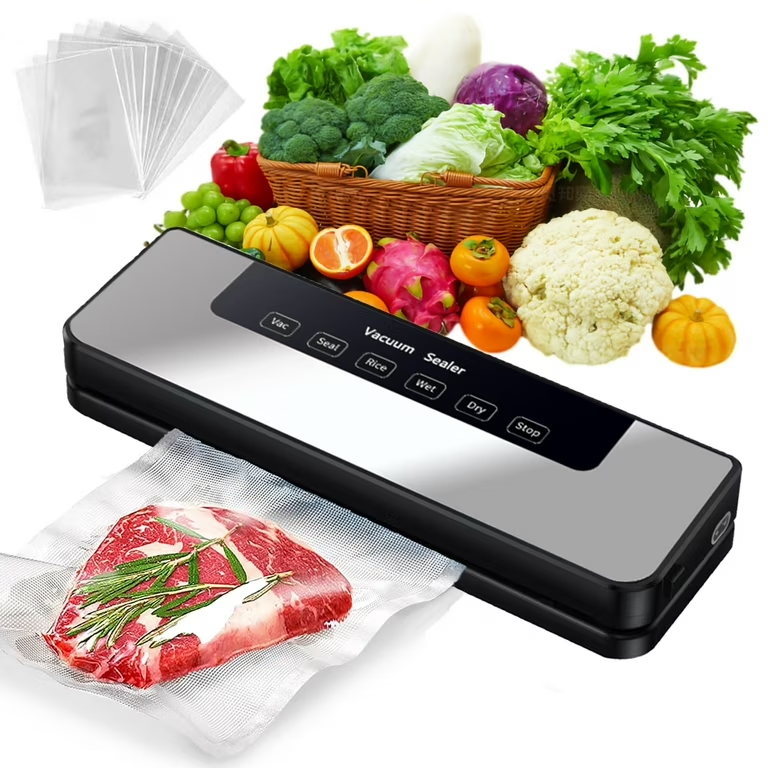
At its core, a vacuum sealer does one simple thing: it sucks the air out of a specialized bag or container and then creates an airtight seal. The enemy of fresh food is oxygen. It’s what allows bacteria and mold to thrive, causing spoilage, freezer burn, and that dreaded “old freezer” taste. By removing the oxygen, you’re essentially pressing the pause button on the decay process.
Slashing Food Waste to Near Zero
Think about it. The average household throws away a staggering amount of food each year. A vacuum sealer extends the shelf life of food by up to five times longer than traditional storage methods.
- Fresh Meats: Instead of lasting a few days in the fridge, they can last for weeks. In the freezer, they’re safe from freezer burn for years, not months.
- Produce: Those delicate raspberries? Seal them up. That bunch of kale? It will stay crisp and green instead of wilting into a slimy pile.
- Leftovers: Give last night’s dinner a new lease on life. Seal it, and it’ll taste just as good next week.
This isn’t just about saving money on groceries; it’s about honoring the resources—the water, the land, the energy—that went into producing that food in the first place.
Breaking Up with Single-Use Plastics
We’re all trying to use fewer single-use plastics. While vacuum sealer bags are plastic, they represent a significant step up from the endless cycle of flimsy sandwich bags and plastic wrap. Many high-quality bags are washable and reusable. More importantly, a vacuum sealer empowers you to buy in bulk. You can head to the farmer’s market or the bulk section of your grocery store, buy large quantities of grains, nuts, cheese, or meat with far less packaging, and then portion them out at home into reusable sealer bags. This drastically cuts down on the amount of single-use commercial packaging you bring into your home.
What Are the Common Types of Food Vacuum Sealers?
So, you’re intrigued. But which machine is right for you? It really boils down to three main categories.
A food vacuum sealer is a kitchen appliance that removes air from a package before sealing it. The most common types are external countertop sealers, chamber sealers, and handheld models, each suited for different needs and kitchen sizes.
The Workhorse: Countertop (External) Sealers
This is the most popular type for home kitchens. You place the open end of the bag into the machine’s sealing bar, close the lid, and it vacuums the air out before heat-sealing the edge. They are fantastic for solid foods, meal prepping, and preserving dry goods.
The Professional: Chamber Sealers
These are the heavy-duty big brothers. You place the entire bag inside the machine’s chamber. When you close the lid, the machine removes air from the whole chamber, which means the air pressure inside and outside the bag remains equal. This clever trick allows you to seal liquids like soups, stews, and marinades without sucking them into the machine. They are larger and more expensive but are a game-changer for serious cooks.
The Space-Saver: Handheld Sealers
These are small, portable devices that work with special bags or containers that have a valve. You press the handheld sealer over the valve, and it sucks the air out. They’re perfect for small kitchens, frequent use with deli meats and cheeses, or for anyone who isn’t ready to commit to a full-size machine.
A Step-by-Step Guide to Perfect Sealing
Using a vacuum sealer might look intimidating, but I promise it’s as easy as making toast. Here’s the basic rundown for a countertop model:
- Prep Your Food: Make sure your food is clean and dry. Moisture can interfere with a strong seal. For soft or liquid-rich foods like ground meat or berries, it’s a great idea to pre-freeze them on a baking sheet for an hour or two first. This helps them hold their shape.
- Grab a Bag: Use a bag designed for your machine. Cut it to size, leaving at least three inches of extra space at the top to ensure a good seal.
- Position the Bag: Open the lid of your sealer and place the open end of the bag flat across the sealing strip, making sure it’s inside the vacuum channel or drip tray.
- Lock and Load: Close the lid firmly until it clicks into place. Press the “Vacuum & Seal” button. The machine will whir to life, sucking out the air. You’ll actually see the bag shrink-wrap itself around your food. Once all the air is gone, the heat bar will activate to seal the bag.
- Label and Store: Once the machine is finished, release the lid. You’ll have a perfectly sealed package. Always label the bag with the contents and the date. Trust me, “mystery meat” from the back of the freezer is no fun for anyone.
Pro Tips for an Eco Friendly Lifestyle with a Vacuum Sealer
Ready to level up your sealing game? These are the tricks I’ve learned over the years that make a huge difference.
- Master the Re-Seal: You can absolutely reuse your vacuum sealer bags! When you first seal an item, leave a few extra inches of bag. After you open it, simply wash the bag thoroughly with soap and warm water, let it dry completely, and it’s ready for another round. Just don’t reuse bags that have held raw meat, fish, or greasy foods.
- The Double Seal: For long-term freezer storage or for items with a bit of moisture, run a second seal just above the first one. It’s a little extra insurance against any potential leaks.
- Beyond the Kitchen: Don’t forget that a vacuum sealer is a preservation tool. Use it to protect important documents, keep emergency supplies dry, or prevent your silverware from tarnishing.
- Embrace Blanching: For vegetables like broccoli, cauliflower, and cabbage, a quick blanch (a brief boil followed by an ice bath) before sealing is crucial. It stops the enzymes that can cause them to release gas and spoil, even in a vacuum.
|
Our Picks for the Best Food Vacuum Cealer in 2026
As an Amazon Associate, we earn from qualifying purchases.
|
||
| Num | Product | Action |
|---|---|---|
| 1 | Chef Preserve Compact Vacuum Sealer for Food (Vacuum Sealer Machine + 30 Reusable Vacuum Bags) Powerful Handheld Vacuum Sealer Machine, Seal Meal Saver, Portable Food Sealer |

|
| 2 | FoodSaver Compact Vacuum Sealer Machine with Airtight Bags and Roll - Ideal for Sous Vide and Airtight Food Storage, White |
|
| 3 | NutriChef Automatic Vacuum Air Sealing System for Food Preservation with Starter Kit, Compact Design, Lab Tested, Dry & Moist Food Modes with Led Indicator Lights, Black |
|
| 4 | SEATAO VH5188 Automatic Vacuum Sealer Machine, 90kPa Multifunction Commercial Vacuum Food Sealer For Food Preservation, Dry & Moist & Food & Extended Modes, LED lights, Double Seal |
|
| 5 |
|
|
| 6 | Vakumar Liquid Vacuum Sealer Machine, 90Kpa Vacuum Sealer Machine Preservation Dry/Moist/Liquid Modes, LED Indicator Light, Handle Locked Design, Built-in Cutter and Bag Storage, Removable Drip Tray |
|
| 7 | Nesco Deluxe Food VS-12 Vacuum Sealer, 130 Watts, Kit Bags & Viewing Lid, Compact, Silver |
|
| 8 | FoodSaver Vacuum Sealer Machine, Automatic Bag Detection, Sous Vide Friendly, with sealer bags, roll, handheld vacuum sealer, black |
|
| 9 | FoodSaver V4400 2-in-1 Vacuum Sealer Machine with Automatic Vacuum Sealer Bag Detection and Starter Kit |
|
| 10 | Vacuum Sealer Machine Powerful 90Kpa Precision 6-in-1 Compact Food Preservation System with Cutter, 2 Bag Rolls & 5 Pre-cut Bags, Widened 12mm Sealing Strip, Dry&Moist Modes (Silver) |
|
As Dr. Amelia Thorne, a leading Food Preservation Scientist, often says, “People initially buy a vacuum sealer to save money on groceries, which it certainly does. But the real, lasting benefit is the profound reduction in their household’s environmental impact. It’s one of the few kitchen tools where the return on investment is both financial and ecological.”
What Foods Should You (and Shouldn’t You) Vacuum Seal?
While it’s a versatile tool, it’s not a magic wand for every single food item. Knowing the dos and don’ts is key.
The A-List: Perfect Candidates for Sealing
- Meats and Fish: Raw or cooked, this is what sealers were born to do.
- Hard Cheeses: Prevents mold and keeps them from drying out.
- Pantry Staples: Flour, sugar, rice, pasta, coffee beans, and nuts stay fresh and pest-free.
- Hard Fruits and Vegetables: Carrots, green beans, and apples hold up beautifully.
- Prepped Meals: A vacuum sealer for meal prep lifestyle is a total game-changer, allowing you to prep a week’s worth of fresh ingredients.
The Caution List: Seal with Care (or Not at All)
- Cruciferous Vegetables (Raw): As mentioned, things like broccoli, kale, and Brussels sprouts emit gases that will cause the bag to expand. Always blanch them first.
- Soft Cheeses: Cheeses like brie or ricotta don’t do well, as the process can crush them and the anaerobic environment can promote certain bacteria.
- Whole Mushrooms: They ripen quickly and can spoil faster in a low-oxygen environment. It’s better to cook them first.
- Fresh Onions and Garlic: These also release natural gases and can spoil rapidly.
How to Choose the Right Vacuum Sealer for You?
Choosing the right machine depends entirely on your habits, kitchen space, and budget. To find the perfect fit, ask yourself how you plan to use it. Are you a weekend meal prepper, a bulk-buying enthusiast, or someone who just wants to keep cheese fresh?
For the Serious Home Cook or Bulk Buyer
You’ll want a countertop model. Look for features like a built-in bag roll holder and cutter, an accessory port for sealing canisters, and a “pulse” function that gives you manual control over the vacuum pressure for delicate items. Understanding the specific needs of your routine is crucial. For instance, for those who are passionate about planning their meals ahead, exploring the features of a vacuum sealer tailored for a meal prep lifestyle can highlight the most valuable functions for their needs.
For the Occasional User or Small Space Dweller
If your kitchen is short on counter space or you only plan to seal items occasionally, a handheld model is an excellent and affordable choice. It’s a fantastic way to dip your toes into the world of vacuum sealing without a big commitment.
Frequently Asked Questions
Can you reuse vacuum sealer bags?
Yes, absolutely, for most foods! Just make sure to wash them thoroughly in warm, soapy water and let them air dry completely. Avoid reusing bags that contained raw meats, fish, eggs, or very greasy foods to prevent cross-contamination.
How much longer does vacuum-sealed food last?
Generally, vacuum-sealed food lasts 3 to 5 times longer than food stored in traditional bags or containers. For example, frozen meat can last 2-3 years instead of 6-12 months, and refrigerated cheese can last 4-8 months instead of 1-2 weeks.
Is vacuum sealing better than using regular freezer bags?
Yes, significantly. Regular freezer bags still trap a lot of oxygen, which leads to the formation of ice crystals known as freezer burn. Vacuum sealing removes virtually all the air, protecting the food’s texture, flavor, and nutritional value.
Do I need to blanch all vegetables before vacuum sealing?
Not all, but it is highly recommended for cruciferous vegetables like broccoli, cauliflower, cabbage, and Brussels sprouts. Blanching stops the enzyme action that causes them to release gas and go bad, even when frozen.
Can vacuum sealing actually save me money?
Definitely. By allowing you to buy in bulk, take advantage of sales, and dramatically reduce food waste, a vacuum sealer can pay for itself over time. You’ll throw away less spoiled food and make fewer last-minute trips to the store.
Your Next Step Towards a Greener Kitchen
Making the switch to a more sustainable lifestyle can feel overwhelming, but it’s often the small, consistent changes that have the biggest impact. It’s about being more mindful and using the right tools to support your goals. Ultimately, adopting an eco friendly lifestyle with a vacuum sealer is a powerful, practical step you can take today. It’s a commitment to fresher food, a healthier budget, and a happier planet. So go ahead, start sealing, and discover how this one device can revolutionize the way you think about food.