Let’s be real for a moment. You love your vacuum sealer. It’s a game-changer for saving money, reducing food waste, and nailing that perfect sous vide steak. But the noise… oh, the noise. That loud, vibrating roar can be enough to make you think twice about sealing a late-night batch of leftovers. If you’ve ever found yourself wincing as the motor kicks in, you’re in the right place. The good news is, learning How To Reduce Noise Of Vacuum Sealer units is entirely possible, and it doesn’t always require an engineering degree.
I’ve spent years in my own kitchen, testing, tweaking, and talking to fellow food preservation enthusiasts. That jarring sound is one of the most common complaints I hear. But you don’t have to just live with it. We’re going to dive into some simple, practical, and surprisingly effective ways to bring some peace and quiet back to your kitchen, so you can seal to your heart’s content without waking up the whole house.
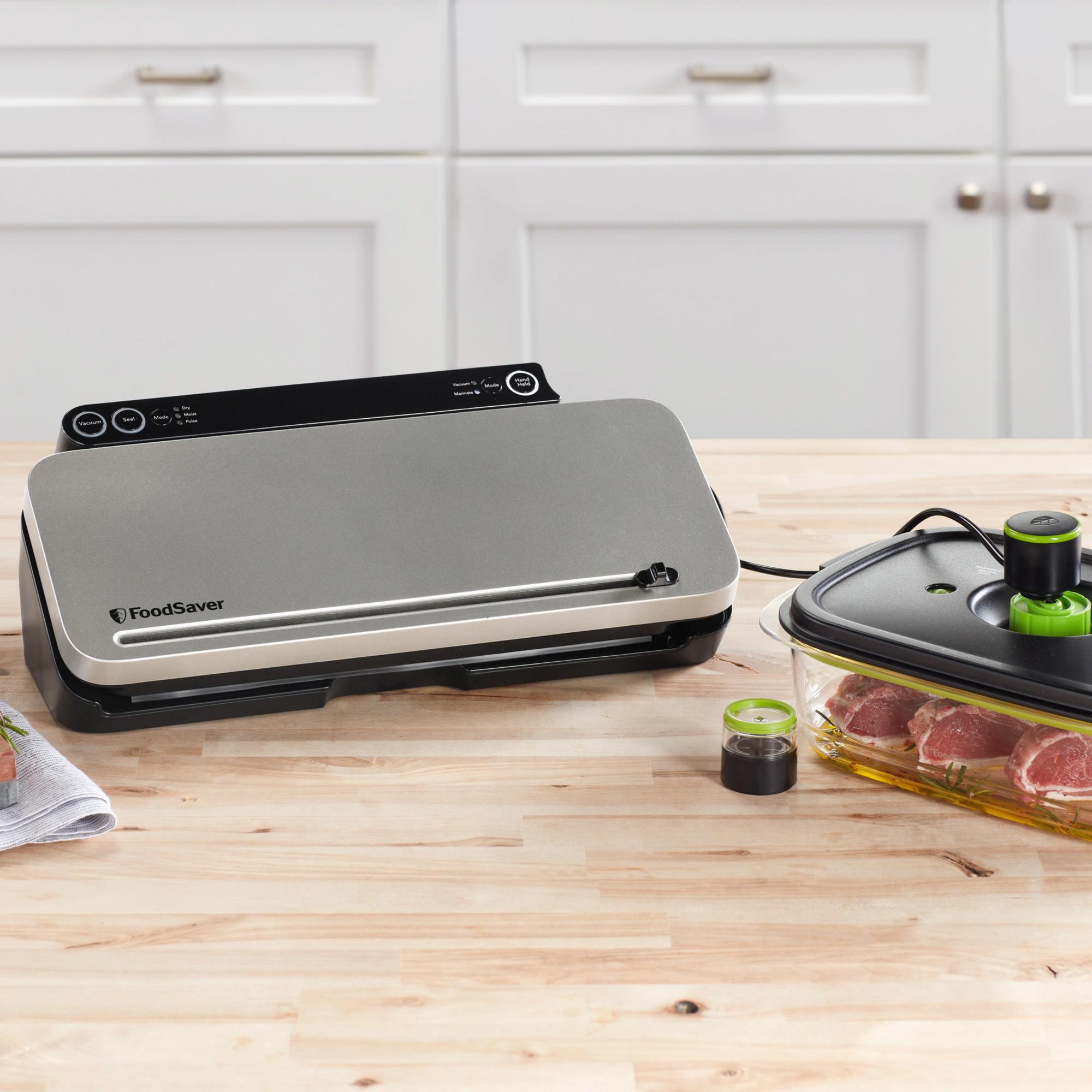
Why Are Vacuum Sealers So Loud Anyway?
Before we jump into the solutions, it helps to understand what’s making all that racket. Think of your vacuum sealer as having a tiny, powerful engine inside. The primary source of the noise is the vacuum pump. This little workhorse is responsible for sucking all the air out of the bag. To do this, it has a motor with moving parts—pistons, diaphragms, and gears—that vibrate rapidly.
This vibration travels from the pump, through the machine’s casing, and into whatever surface it’s sitting on. Your countertop then acts like a giant speaker, amplifying the sound. So, the key to a quieter sealing experience is all about one thing: taming those vibrations.
Practical Tips on How to Reduce Noise of Vacuum Sealer
Ready to reclaim your kitchen’s tranquility? These aren’t just theories; they are tried-and-true methods that I and many others use. Start with the easiest ones and see what a difference they make.
1. Place It on a Dampening Surface
This is the single most effective and easiest trick in the book. Remember how we said your countertop acts like a speaker? Let’s put a muffler on it. Placing your vacuum sealer on a soft, dense surface will absorb a significant amount of the vibration before it can be amplified.
- A Thick Kitchen Towel: Fold a plush dish towel or a small hand towel into a square and place it under the machine. It’s a free and instant fix.
- A Silicone Mat: A silicone baking mat or a large trivet is perfect. They are designed to absorb heat, but their soft, grippy texture is fantastic for absorbing sound vibrations.
- A Wooden or Cork Cutting Board: A thick wooden or cork cutting board can also work wonders. Wood and cork are less resonant than stone countertops like granite or quartz, helping to deaden the sound.
Personal Experience: I used to keep my sealer directly on my granite countertop, and the noise was intense. One day, I was in a hurry and just set it on a folded tea towel. The difference was night and day. It went from a rattling roar to a much more manageable hum.
2. Move It Away from Walls and Corners
Have you ever noticed how a speaker sounds louder when you put it in a corner? The same principle applies here. Walls and backsplashes act as natural amplifiers, bouncing the sound waves right back at you.
Simply pulling your vacuum sealer a few inches away from the wall or out of a corner can significantly reduce the perceived noise level. This gives the sound waves more space to dissipate instead of being trapped and amplified. It’s a small change in placement that can have a big impact on your ears.
3. Check and Clean the Gaskets
This might sound unrelated, but it’s a crucial maintenance step that affects noise. The gaskets are the foam or rubber seals that create the airtight chamber around the bag. If these gaskets are dirty, cracked, or compressed, the machine can’t create a perfect seal.
What happens then? The vacuum pump has to work much harder and run for much longer to try and remove the air. A longer run time means more noise. A pump straining against a leak is also often louder.
- How to Check: Gently run your finger over the gaskets. They should feel soft and pliable, not hard or cracked.
- How to Clean: Wipe them down with a damp cloth after use to remove any food residue. This ensures a quick, efficient, and therefore quieter seal every time. You can learn more about proper cleaning in our [complete guide to vacuum sealer maintenance here].
4. Don’t Overwork the Machine
Just like any motorized appliance, a vacuum sealer can get louder when it’s overheating or being run continuously for too long. If you’re doing a large batch of meal prepping—say, sealing 20 chicken breasts—give the machine a little break. The manufacturer’s instructions usually recommend a cool-down period between seals (often 20-60 seconds). Adhering to this not only keeps the noise down but also dramatically extends the life of your appliance.
|
Our Picks for the Best Food Vacuum Cealer in 2026
As an Amazon Associate, we earn from qualifying purchases.
|
||
| Num | Product | Action |
|---|---|---|
| 1 |

|
|
| 2 | Chef Preserve Compact Vacuum Sealer for Food (Vacuum Sealer Machine + 30 Reusable Vacuum Bags) Powerful Handheld Vacuum Sealer Machine, Seal Meal Saver, Portable Food Sealer |
|
| 3 | SEATAO VH5188 Automatic Vacuum Sealer Machine, 90kPa Multifunction Commercial Vacuum Food Sealer For Food Preservation, Dry & Moist & Food & Extended Modes, LED lights, Double Seal |
|
| 4 | FoodSaver V4400 2-in-1 Vacuum Sealer Machine with Automatic Vacuum Sealer Bag Detection and Starter Kit |
|
| 5 | NutriChef Automatic Vacuum Air Sealing System for Food Preservation with Starter Kit, Compact Design, Lab Tested, Dry & Moist Food Modes with Led Indicator Lights, Black |
|
| 6 | FoodSaver Compact Vacuum Sealer Machine with Airtight Bags and Roll - Ideal for Sous Vide and Airtight Food Storage, White |
|
| 7 | Nesco Deluxe Food VS-12 Vacuum Sealer, 130 Watts, Kit Bags & Viewing Lid, Compact, Silver |
|
| 8 | Vakumar Liquid Vacuum Sealer Machine, 90Kpa Vacuum Sealer Machine Preservation Dry/Moist/Liquid Modes, LED Indicator Light, Handle Locked Design, Built-in Cutter and Bag Storage, Removable Drip Tray |
|
| 9 | Vacuum Sealer Machine Powerful 90Kpa Precision 6-in-1 Compact Food Preservation System with Cutter, 2 Bag Rolls & 5 Pre-cut Bags, Widened 12mm Sealing Strip, Dry&Moist Modes (Silver) |
|
| 10 | FoodSaver Vacuum Sealer Machine, Automatic Bag Detection, Sous Vide Friendly, with sealer bags, roll, handheld vacuum sealer, black |
|
5. Consider a DIY Soundproof Box
For those who are serious about silence or use their sealer very frequently, you can get a little creative. This is a fantastic solution for bulk sealing sessions, like after a successful fishing trip or a harvest from the garden.
You can create a simple, temporary sound-dampening box.
- Find a sturdy cardboard box that is significantly larger than your vacuum sealer.
- Line the inside walls of the box with sound-absorbing material. Acoustic foam is ideal, but thick towels, old blankets, or even egg cartons can work in a pinch.
- Cut a hole for the power cord and a larger opening on one side to operate the machine and insert bags.
- Place the sealer inside the box. The open-top or open-side design contains and muffles a huge amount of the motor’s noise while still allowing for easy operation.
Can the Type of Bag Affect the Noise Level?
This is a great question we get a lot. Can cheap bags make your sealer louder? The bag itself doesn’t generate noise, but its quality can affect how long the noisy pump has to run.
High-quality, textured bags are designed to create clear channels for air to be removed quickly and efficiently. Thinner, lower-quality bags can sometimes wrinkle or collapse in a way that traps air pockets, forcing the pump to run longer to get the job done. So, while a good bag won’t make the motor quieter, it can definitely reduce the duration of the noise for each seal.
Expert Insights on Taming the Sound
We spoke with Chef Isabella Rossi, a food preservation consultant and long-time advocate for vacuum sealing, to get her take.
“The biggest mistake I see people make is operating their sealer on an unstable surface,” says Chef Rossi. “They’ll put it on a wobbly kitchen cart or a thin table. You need a solid, heavy foundation. Then, put a dampening mat underneath. That two-step combo—stability and absorption—solves 80% of the noise problem right there. It’s not about fancy tricks; it’s about basic physics.”
A Quick Checklist for a Quieter Sealing Session
Before you start your next batch, run through this quick mental checklist:
- Surface: Is the sealer on a soft, dampening mat or towel?
- Location: Is it pulled away from walls and corners?
- Gaskets: Are the gaskets clean and in good condition?
- Pacing: Am I leaving enough time between seals for the machine to cool down?
- Bags: Am I using high-quality bags for an efficient seal?
Frequently Asked Questions
Is a loud vacuum sealer a sign that it’s broken?
Not necessarily. Most vacuum sealers are inherently noisy due to the vacuum pump. However, if you notice a sudden increase in noise, or a new grinding or rattling sound, it could indicate a loose part or a failing motor, and you should have it checked.
Are chamber vacuum sealers quieter than suction models?
Generally, yes. Chamber vacuum sealers use a different mechanism where the pump is often better insulated within the machine’s larger body. While not silent, they tend to produce a lower-pitched hum rather than the high-pitched roar of many countertop suction models.
How can I reduce the noise of my vacuum sealer without buying anything?
The best free methods are placing it on a folded towel you already own and moving it away from walls. Also, ensuring the gaskets are clean and allowing for cool-down periods between seals will help reduce the noise duration without any cost.
Does the food I’m sealing change the noise level?
Indirectly. Very moist or liquid-rich foods can sometimes be pulled toward the seal bar, interfering with the process and making the pump work longer. Pre-freezing wet foods can lead to a faster, cleaner, and therefore quicker (and quieter) sealing process.
What’s the average decibel level of a vacuum sealer?
Most countertop vacuum sealers operate in the 65-80 decibel (dB) range. For comparison, a normal conversation is about 60 dB, and a garbage disposal is around 80 dB. Using the tips above can help bring the noise down to the lower end of that range.
Your Path to a More Peaceful Kitchen
That loud roar doesn’t have to be the soundtrack to your food preservation efforts. By understanding why your machine is noisy and applying a few simple strategies, you can make a huge difference.
Start with the easiest fix—placing it on a towel or silicone mat—and you’ll likely be amazed at the improvement. From there, you can experiment with placement and maintenance to fine-tune your setup. Taking a few moments to learn how to reduce noise of vacuum sealer units not only makes for a more pleasant kitchen environment but also shows you’re taking great care of a valuable tool. Now, go ahead and seal with confidence—and in peace.