Have you ever opened your crisper drawer to find a sad, limp bunch of asparagus you bought with the best intentions? Or pulled a bag of frozen broccoli from the freezer, only to find it covered in icy, flavor-killing crystals? We’ve all been there. Wasting produce feels like throwing money straight into the compost bin. But what if I told you there’s a simple technique to lock in that farm-fresh flavor and vibrant color for months, even years? Learning How To Vacuum Seal Vegetables Properly is a total game-changer for your kitchen, your budget, and your taste buds. It’s not just about sucking the air out; it’s a science and an art that, once mastered, will revolutionize how you store food. In this guide, we’re going to break down everything you need to know, from the crucial first step most people miss to the pro tips that guarantee perfect results every time.
Why Vacuum Sealing Vegetables is a Game-Changer
Before we dive into the “how,” let’s talk about the “why.” You might be thinking, “Isn’t a regular freezer bag good enough?” The short answer is no, not if you value quality. Vacuum sealing goes far beyond what a simple zip-top bag can do.
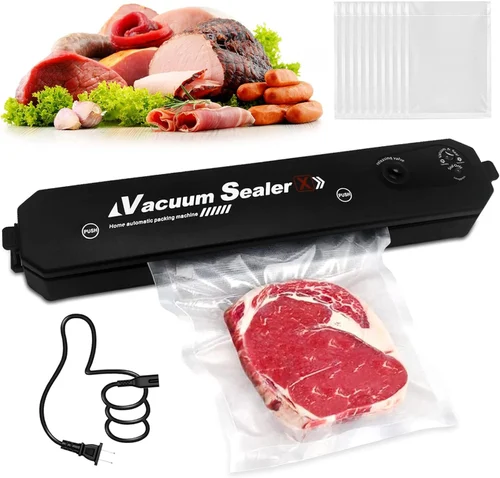
Think of oxygen as the enemy of freshness. It causes oxidation, which leads to freezer burn, discoloration, and loss of nutrients. A vacuum sealer removes virtually all the air from the storage bag before creating an airtight seal. This simple action has powerful benefits:
- Extends Shelf Life Dramatically: We’re talking about extending freezer life from 6-12 months to 2-3 years. Fresh veggies in the fridge can last weeks instead of days.
- Prevents Freezer Burn: That layer of ice crystals on your frozen food? That’s freezer burn. It happens when moisture escapes the food and freezes on the surface. By removing the air, you stop this process in its tracks, preserving texture and taste.
- Locks in Nutrients and Flavor: The same process that prevents freezer burn also locks in the vitamins, minerals, color, and flavor of your vegetables. Your frozen green beans will taste like they were just picked.
- Saves Money and Reduces Waste: Buy vegetables in bulk when they’re in season and on sale. Seal and store them for the rest of the year, drastically cutting down on food waste and your grocery bill.
The Most Important Step You Cannot Skip: Blanching
If you take only one thing away from this article, let it be this: you must blanch most vegetables before vacuum sealing and freezing them. I can’t stress this enough. Skipping this step is the number one reason people are disappointed with their results.
What is Blanching, and Why is it Essential?
Blanching is the process of briefly boiling vegetables and then immediately plunging them into an ice bath to stop the cooking process. So, why is this necessary? Vegetables contain enzymes that, even when frozen, continue to break down the plant’s texture, flavor, and color over time. It’s a slow, silent process that eventually turns your beautiful green broccoli into a dull, mushy disappointment.
“Blanching is non-negotiable for long-term freezer storage,” says Chef Julianne Ross, a food preservation specialist. “It neutralizes those pesky enzymes, ensuring that the vegetables you pull out of the freezer in six months are just as vibrant and flavorful as the day you sealed them. It’s a few minutes of effort for months of reward.”
Blanching effectively “pauses” the vegetable in its prime, preserving it perfectly until you’re ready to eat it.
How to Vacuum Seal Vegetables Properly: A Step-by-Step Guide
Ready to get started? The process is simple when you break it down. Here’s your definitive guide on how to vacuum seal vegetables properly.
- Preparation is Key: Start with the freshest vegetables you can find. Wash them thoroughly under cold water to remove any dirt. Then, chop, peel, or slice them into the sizes you’ll want to use later. Uniform pieces will blanch and freeze more evenly.
- Blanch Like a Pro:
- Bring a large pot of water to a rolling boil.
- Prepare a large bowl of ice water (an “ice bath”) and have it ready next to your stove.
- Working in small batches, drop your prepared vegetables into the boiling water. Don’t overcrowd the pot.
- Boil for the recommended time (see our handy blanching time chart below).
- Using a slotted spoon, immediately transfer the vegetables from the boiling water to the ice bath. This is called “shocking,” and it stops the cooking process instantly.
- Leave them in the ice bath for the same amount of time they were in the boiling water.
- Dry, Dry, Dry: This step is crucial for a strong seal. Moisture is the enemy of a vacuum sealer’s heat strip. After shocking, drain the vegetables well and pat them thoroughly dry with a clean kitchen towel or paper towels. You can also spread them on a baking sheet to air dry for a bit. The drier, the better.
- The Pre-Freeze Secret (Optional but Recommended): For delicate vegetables like asparagus spears, bell pepper strips, or broccoli florets, a quick pre-freeze prevents them from being crushed by the vacuum pressure.
- Spread the blanched, dried vegetables in a single layer on a baking sheet.
- Place the sheet in the freezer for 1-2 hours, or until the pieces are firm.
- This “flash freeze” solidifies their structure, so they’ll hold their shape perfectly during the sealing process.
- Pack Your Bags: Place your blanched, dried (and pre-frozen, if you chose) vegetables into a vacuum sealer bag. Don’t overfill it! Leave at least 3-4 inches of empty space at the top to ensure the machine can get a proper grip and create a strong seal.
- Seal the Deal: Place the open end of the bag into the vacuum channel of your sealer, following your machine’s specific instructions. Start the vacuum and seal process. Watch as the machine magically removes all the air and creates a super-strong, airtight seal.
- Label and Store: Always label your bags with the contents and the date you sealed them. It’s a simple habit that saves you from mystery-bag-roulette later on. Store your sealed bags in the freezer, and enjoy your perfectly preserved produce for months to come!
A Quick Blanching Time Chart
| Vegetable | Preparation | Blanching Time |
|---|---|---|
| Asparagus | Trim ends, leave whole or cut | 2-4 minutes |
| Green Beans | Snap ends, leave whole or cut | 3 minutes |
| Broccoli | Cut into florets (1.5″ across) | 3 minutes |
| Carrots | Peel, slice or dice | 2 minutes |
| Corn on the Cob | Husk and remove silk | 7-11 minutes |
| Leafy Greens | Remove tough stems | 2 minutes |
| Peas | Shell | 1.5 minutes |
Our Picks for the Best Food Vacuum Cealer in 2026
As an Amazon Associate, we earn from qualifying purchases.
Num
Product
Action
1
FoodSaver Compact Vacuum Sealer Machine with Airtight Bags and Roll - Ideal for Sous Vide and Airtight Food Storage, White

2
FoodSaver V4400 2-in-1 Vacuum Sealer Machine with Automatic Vacuum Sealer Bag Detection and Starter Kit
3
Anova Culinary Precision Vacuum Sealer Pro, Includes Large Bag Roll (19ft), Wet & Dry Dual Food Vacuum Sealer Machine for Sous Vide and Long-Term Storage, 2-Year Warranty
4
NutriChef Automatic Vacuum Air Sealing System for Food Preservation with Starter Kit, Compact Design, Lab Tested, Dry & Moist Food Modes with Led Indicator Lights, Black
5
Vakumar Liquid Vacuum Sealer Machine, 90Kpa Vacuum Sealer Machine Preservation Dry/Moist/Liquid Modes, LED Indicator Light, Handle Locked Design, Built-in Cutter and Bag Storage, Removable Drip Tray
6
SEATAO VH5188 Automatic Vacuum Sealer Machine, 90kPa Multifunction Commercial Vacuum Food Sealer For Food Preservation, Dry & Moist & Food & Extended Modes, LED lights, Double Seal
7
Chef Preserve Compact Vacuum Sealer for Food (Vacuum Sealer Machine + 30 Reusable Vacuum Bags) Powerful Handheld Vacuum Sealer Machine, Seal Meal Saver, Portable Food Sealer
8
Nesco Deluxe Food VS-12 Vacuum Sealer, 130 Watts, Kit Bags & Viewing Lid, Compact, Silver
9
FoodSaver Vacuum Sealer Machine, Automatic Bag Detection, Sous Vide Friendly, with sealer bags, roll, handheld vacuum sealer, black
10
Vacuum Sealer Machine Powerful 90Kpa Precision 6-in-1 Compact Food Preservation System with Cutter, 2 Bag Rolls & 5 Pre-cut Bags, Widened 12mm Sealing Strip, Dry&Moist Modes (Silver)
|
Our Picks for the Best Food Vacuum Cealer in 2026
As an Amazon Associate, we earn from qualifying purchases.
|
||
| Num | Product | Action |
|---|---|---|
| 1 | FoodSaver Compact Vacuum Sealer Machine with Airtight Bags and Roll - Ideal for Sous Vide and Airtight Food Storage, White |
|
| 2 | FoodSaver V4400 2-in-1 Vacuum Sealer Machine with Automatic Vacuum Sealer Bag Detection and Starter Kit |
|
| 3 | Anova Culinary Precision Vacuum Sealer Pro, Includes Large Bag Roll (19ft), Wet & Dry Dual Food Vacuum Sealer Machine for Sous Vide and Long-Term Storage, 2-Year Warranty |
|
| 4 | NutriChef Automatic Vacuum Air Sealing System for Food Preservation with Starter Kit, Compact Design, Lab Tested, Dry & Moist Food Modes with Led Indicator Lights, Black |
|
| 5 | Vakumar Liquid Vacuum Sealer Machine, 90Kpa Vacuum Sealer Machine Preservation Dry/Moist/Liquid Modes, LED Indicator Light, Handle Locked Design, Built-in Cutter and Bag Storage, Removable Drip Tray |
|
| 6 | SEATAO VH5188 Automatic Vacuum Sealer Machine, 90kPa Multifunction Commercial Vacuum Food Sealer For Food Preservation, Dry & Moist & Food & Extended Modes, LED lights, Double Seal |
|
| 7 | Chef Preserve Compact Vacuum Sealer for Food (Vacuum Sealer Machine + 30 Reusable Vacuum Bags) Powerful Handheld Vacuum Sealer Machine, Seal Meal Saver, Portable Food Sealer |
|
| 8 | Nesco Deluxe Food VS-12 Vacuum Sealer, 130 Watts, Kit Bags & Viewing Lid, Compact, Silver |
|
| 9 | FoodSaver Vacuum Sealer Machine, Automatic Bag Detection, Sous Vide Friendly, with sealer bags, roll, handheld vacuum sealer, black |
|
| 10 | Vacuum Sealer Machine Powerful 90Kpa Precision 6-in-1 Compact Food Preservation System with Cutter, 2 Bag Rolls & 5 Pre-cut Bags, Widened 12mm Sealing Strip, Dry&Moist Modes (Silver) |
|
Pro Tips for Perfect Vegetable Sealing
You’ve got the basics down. Now, let’s elevate your game with a few expert tricks I’ve learned over the years.
- For High-Moisture Veggies: For vegetables with high water content like zucchini or summer squash, after blanching and drying, you can lightly salt them and let them sit for 20 minutes. This draws out even more excess water. Just be sure to rinse and pat them completely dry again before sealing.
- The Double Seal: For long-term storage or for foods with a bit of moisture, always use the double seal function if your machine has it. It’s extra insurance against seal failure. If it doesn’t, just run the “Seal” function a second time about a quarter-inch from the first seal.
- Pulse Mode is Your Friend: For very delicate items you didn’t pre-freeze, like leafy greens, use your machine’s “Pulse” mode. This allows you to control the vacuum pressure manually, so you can remove air without crushing the contents.
- Paper Towel Trick: For powdery vegetables like blanched sweet potatoes or anything that might release fine particles, place a small, folded paper towel inside the bag between the food and the seal area. This acts as a filter, preventing particles from being sucked into the motor and ensuring a clean seal.
Which Vegetables Should You Vacuum Seal?
While most vegetables benefit from vacuum sealing, some are better suited than others.
Best Vegetables for Sealing:
These are the all-stars that hold up beautifully.
- Asparagus
- Green Beans
- Peas
- Carrots
- Corn
- Bell Peppers
- Broccoli
- Cauliflower
- Hard Squashes
- Potatoes and Sweet Potatoes
Vegetables to Avoid or Seal with Caution:
Some vegetables don’t play as nicely with vacuum sealing due to the gasses they release or their delicate nature.
- Cruciferous Vegetables (Raw): Never vacuum seal raw broccoli, cauliflower, cabbage, or Brussels sprouts. They emit gasses that will cause the bag to expand and the food to spoil. Always blanch these first.
- Mushrooms: These soft-bodied fungi can get crushed. It’s best to sauté them first, let them cool, and then seal.
- Onions and Garlic (Raw): Like their cruciferous cousins, these alliums release gasses. It’s better to sauté or dehydrate them before sealing for long-term storage.
- Soft Lettuces: Delicate lettuces simply can’t stand up to the pressure. It’s not a recommended method of preservation for them.
Frequently Asked Questions (FAQ)
Q1: Do I really have to blanch all vegetables before vacuum sealing?
Yes, for the vast majority of vegetables intended for freezing, blanching is essential. It deactivates enzymes that would otherwise degrade the quality, flavor, and color over time. Skipping this step will lead to a mushy, off-tasting product.
Q2: Can you vacuum seal leafy greens like spinach or kale?
Absolutely! Leafy greens are fantastic for vacuum sealing. Just be sure to blanch them first (about 2 minutes), shock them in an ice bath, and then squeeze out as much water as physically possible before sealing. Pre-freezing in portioned balls can also help.
Q3: How long do vacuum-sealed vegetables last in the freezer?
When blanched and sealed properly, most vegetables will maintain excellent quality for 2-3 years in the freezer, compared to just 8-12 months in a standard freezer bag. This massive increase in shelf life is one of the biggest benefits.
Q4: Why is my vacuum sealer bag losing its seal in the freezer?
This usually happens for one of three reasons: moisture or food particles in the seal area, a wrinkle in the seal, or gases being released from un-blanched vegetables. To fix this, ensure the bag’s sealing area is completely clean and dry, and always blanch your veggies.
Q5: Can I vacuum seal raw potatoes?
It’s not recommended to vacuum seal raw potatoes for freezing. They will discolor and develop a poor texture. For best results, blanch sliced or diced potatoes for 3-5 minutes before drying, sealing, and freezing.
Your Journey to Fresher Food Starts Now
Congratulations! You’re no longer just a cook; you’re a food preservation pro. By following these steps, you’ve unlocked the secret to enjoying garden-fresh vegetables all year round. You’ll save money, slash food waste, and serve up dishes packed with flavor and nutrition. So go ahead, hit up that farmer’s market, buy that beautiful produce in bulk, and get sealing. Mastering how to vacuum seal vegetables properly is one of the most rewarding skills you can bring to your kitchen.