Let’s be real for a moment. You’ve just put the kids to bed, or you’re finally settling in for a quiet evening, and you decide to do a little meal prep. You pull out your vacuum sealer, and suddenly it sounds like a small jet engine is preparing for takeoff on your countertop. The dog starts barking, the baby stirs, and your peaceful evening is shattered. If this sounds familiar, you’ve come to the right place. This comprehensive Quiet Vacuum Sealer Review is for you. Here at Food Vacuum Sealer, we believe that preserving your food shouldn’t mean sacrificing your peace and quiet. We’re going to dive deep into what makes a sealer quiet, what to look for, and how to get the most out of your machine without all the racket.
Why is a Quiet Vacuum Sealer Such a Game Changer?
In today’s world of open-plan living, the kitchen is often the heart of the home, not a separate, closed-off room. A loud appliance can disrupt a conversation, a movie, or a sleeping child in the next room. A quiet vacuum sealer isn’t a luxury; for many, it’s a necessity. It allows you to preserve bulk food purchases, prep meals for the week, or seal leftovers late at night or early in the morning without waking the whole house. It’s about integrating a powerful tool seamlessly into your life, not working around its noisy demands.
How Do Vacuum Sealers Work, Anyway?
Ever wondered what’s happening inside that machine? It’s simpler than you might think. Imagine sucking the last bit of a milkshake through a straw—that’s the basic principle.
A vacuum sealer does two main things:
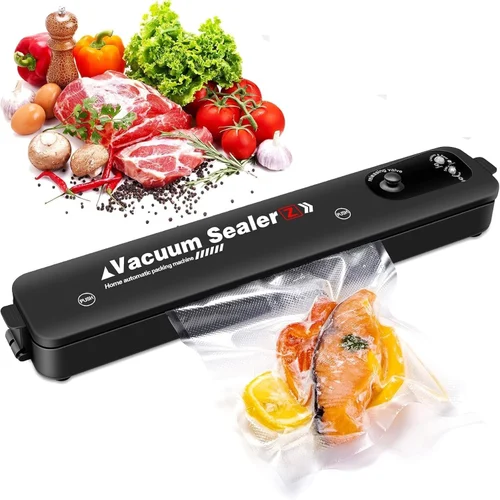
- It removes air: The machine’s pump creates suction, pulling nearly all the oxygen out of the specially designed bag that contains your food. Removing oxygen is the key, as it’s what yeast, mold, and bacteria need to thrive and spoil your food.
- It creates an airtight seal: Once the air is out, a heated sealing bar melts the edges of the bag together, creating a permanent, airtight barrier. This prevents air from getting back in and locks in freshness, flavor, and nutrients for months, or even years.
Our Quiet Vacuum Sealer Review: What Really Matters
Finding a truly quiet machine isn’t just about picking one that claims to be “low noise.” You need to know what to look for. As someone who has tested dozens of models, I’ve learned that the secret lies in the engineering.
Decibel (dB) Ratings: The Secret Language of Sound
What does “quiet” actually mean? The best way to quantify it is with a decibel (dB) rating. For context:
- 30 dB: A soft whisper.
- 60 dB: A normal conversation.
- 85 dB+: The noise level of a blender or a passing motorcycle. This is where prolonged exposure can be damaging.
Many standard vacuum sealers operate in the 80-90 dB range. A truly quiet vacuum sealer will typically operate somewhere between 50-65 dB. That’s a massive difference—it’s the difference between a conversation and a shouting match. Always look for a dB rating when possible, as it’s the most objective measure of noise.
Motor and Housing: The Unsung Heroes of Silence
The two biggest factors contributing to a sealer’s noise level are its motor and its construction.
- Motor Type: Look for models with modern, brushless motors. They are not only more efficient and durable but also run significantly quieter than older, clunkier motor designs.
- Housing Construction: A cheap, thin plastic shell will vibrate and amplify the motor’s sound. A well-built machine with a solid, insulated casing and rubber feet will dampen those vibrations, drastically reducing the overall noise.
“Many people focus solely on peak suction power, but the real innovation is in achieving that power without the disruptive noise. A well-designed, quiet vacuum sealer uses superior motor technology and sound-dampening housing, making food preservation a seamless part of your daily kitchen routine, not an interruption.” – Dr. Michael Turner, Food Preservation Scientist
|
Our Picks for the Best Food Vacuum Cealer in 2026
As an Amazon Associate, we earn from qualifying purchases.
|
||
| Num | Product | Action |
|---|---|---|
| 1 | NutriChef Automatic Vacuum Air Sealing System for Food Preservation with Starter Kit, Compact Design, Lab Tested, Dry & Moist Food Modes with Led Indicator Lights, Black |

|
| 2 |
|
|
| 3 | Nesco Deluxe Food VS-12 Vacuum Sealer, 130 Watts, Kit Bags & Viewing Lid, Compact, Silver |
|
| 4 | Vakumar Liquid Vacuum Sealer Machine, 90Kpa Vacuum Sealer Machine Preservation Dry/Moist/Liquid Modes, LED Indicator Light, Handle Locked Design, Built-in Cutter and Bag Storage, Removable Drip Tray |
|
| 5 | FoodSaver Compact Vacuum Sealer Machine with Airtight Bags and Roll - Ideal for Sous Vide and Airtight Food Storage, White |
|
| 6 | FoodSaver Vacuum Sealer Machine, Automatic Bag Detection, Sous Vide Friendly, with sealer bags, roll, handheld vacuum sealer, black |
|
| 7 | SEATAO VH5188 Automatic Vacuum Sealer Machine, 90kPa Multifunction Commercial Vacuum Food Sealer For Food Preservation, Dry & Moist & Food & Extended Modes, LED lights, Double Seal |
|
| 8 | Chef Preserve Compact Vacuum Sealer for Food (Vacuum Sealer Machine + 30 Reusable Vacuum Bags) Powerful Handheld Vacuum Sealer Machine, Seal Meal Saver, Portable Food Sealer |
|
| 9 | FoodSaver V4400 2-in-1 Vacuum Sealer Machine with Automatic Vacuum Sealer Bag Detection and Starter Kit |
|
| 10 | Vacuum Sealer Machine Powerful 90Kpa Precision 6-in-1 Compact Food Preservation System with Cutter, 2 Bag Rolls & 5 Pre-cut Bags, Widened 12mm Sealing Strip, Dry&Moist Modes (Silver) |
|
A Step-by-Step Guide to Using Your Sealer
Once you’ve chosen your perfect machine, using it is a breeze. Here’s a simple breakdown:
- Prepare Your Food: Fill the vacuum sealer bag, but be sure to leave at least three inches of empty space at the top. This “headspace” is crucial for getting a clean, strong seal.
- Position the Bag: Open the lid of your sealer and carefully place the open end of the bag onto the sealing strip. Make sure the entire opening is lying flat within the machine’s vacuum channel.
- Lock and Load: Close the lid firmly. On most models, you’ll hear a “click” on both sides to let you know it’s locked and ready.
- Press the Button: Select your setting (e.g., ‘Dry’ for solids or ‘Moist’ for marinated meats) and press the ‘Vacuum & Seal’ button. The machine will whir to life, suck out the air, and then the sealing light will indicate when the process is complete.
- Release and Admire: Once the machine is finished, unlock the lid and remove your perfectly sealed package. You’re done!
Pro Tips for the Best (and Quietest) Results
After years of sealing everything from avocados to bulk batches of chili, I’ve picked up a few tricks.
- Pre-freeze liquids: If you’re sealing soups, stews, or marinades, freeze them in the bag or a container first. Sealing a solid block is much cleaner and easier than trying to prevent liquid from being sucked into the machine. Check out our [in-depth guide to sealing liquids] for more on this.
- Double-check the seal: Always run your finger over the new seal. It should be clear, smooth, and free of any wrinkles or food particles. If it’s not perfect, simply cut it off and seal it again.
- Don’t overfill the bags: I can’t stress this enough. Overfilling is the number one cause of seal failure. That three inches of headspace is your best friend.
- Keep the sealing bar clean: Wipe the sealing bar with a damp cloth after each use, especially after sealing moist or greasy foods. A clean bar makes for a strong seal.
Foods You Should and Shouldn’t Vacuum Seal
Vacuum sealing is a miracle for most foods, but not all are created equal.
The A-List: Seal These Generously
- Meats and Fish: Extends freezer life from 6 months to 2-3 years, completely preventing freezer burn.
- Hard Cheeses: Prevents mold and keeps them from drying out for weeks or months.
- Coffee Beans: Keeps them fresh by preventing oxidation.
- Nuts and Grains: Stops them from going rancid.
- Fresh Produce: Berries, carrots, and green beans freeze beautifully without ice crystals.
- Leftovers: Seal single portions for quick and easy meals later.
Handle with Care: What to Avoid
- Soft Cheeses: Cheeses like Brie and ricotta don’t do well, as the lack of oxygen can promote the growth of anaerobic bacteria.
- Raw Mushrooms: They ripen faster and can decay due to enzymatic action. It’s better to cook them first.
- Garlic and Onions: They emit natural gases that can cause the bag to expand and spoil the contents.
- Cruciferous Vegetables: Raw broccoli, cauliflower, cabbage, and Brussels sprouts also release gases. You can seal them, but you must blanch them first (a quick boil followed by an ice bath) to stop the gas production.
How Do I Choose the Right Vacuum Sealer for My Home?
Finding the perfect machine comes down to asking yourself a few key questions:
- How often will I use it? If you’re a heavy user who buys in bulk or hunts, invest in a more robust, commercial-grade model. For occasional use, a more compact countertop model will do just fine.
- What will I be sealing most? If you plan on sealing a lot of fish or marinated meats, look for a model with a strong “moist” food setting and a removable drip tray for easy cleaning.
- How much counter space do I have? Some sealers are bulky. If space is tight, look for a model with a smaller footprint or one designed for vertical storage.
- What is my budget? Prices can range from under $100 to over $500. A higher price often gets you quieter operation, more power, and more features like built-in bag storage and a cutter. Our [Top 5 Vacuum Sealer Models of 2024] breaks down the best options for every budget.
Frequently Asked Questions
Are quiet vacuum sealers less powerful than loud ones?
Not necessarily. Modern engineering allows for powerful suction from quieter motors. While the absolute most powerful commercial-grade sealers can be loud, you can easily find a quiet model with more than enough power for any home kitchen.
What is a good decibel level for a quiet vacuum sealer?
Look for a model that operates under 70 dB. Anything in the 50-65 dB range is excellent and will be no louder than a normal conversation, making a huge difference in your kitchen environment.
Can I use any brand of bags with my vacuum sealer?
While most brands recommend their own bags for best results, many universal or third-party textured bags will work just fine in most clamp-style sealers. Just ensure they are designed for vacuum sealing and are the correct width for your machine.
How much should I expect to spend on a good, quiet model?
You can find very good, quiet vacuum sealers starting around $120-$150. Premium models with more features and even lower noise levels can go up to $250 or more.
Does vacuum sealing really make food last 5 times longer?
Yes, this common claim is largely true. By removing about 97% of the oxygen, you dramatically slow down spoilage. Food that would last 6 months in a freezer bag can easily last 2-3 years when vacuum sealed, all while tasting as fresh as the day you sealed it.
Your Kitchen Just Got a Lot More Peaceful
Switching to a quiet vacuum sealer is one of those small upgrades that makes a huge difference in your daily life. It transforms a noisy chore into a simple, satisfying task. By understanding what to look for—a low decibel rating, a quality motor, and solid construction—you can confidently find a machine that delivers powerful performance without the headache-inducing noise. We hope this quiet vacuum sealer review has armed you with the knowledge to make a great choice and bring a little more peace to your food preservation routine.