Step into any high-performance professional kitchen during the dinner rush, and you’ll witness a whirlwind of controlled chaos. Every second, every ingredient, and every inch of space counts. In this high-stakes environment, the unsung hero working quietly in the corner is often a commercial Vacuum Sealer For Restaurant Kitchens. This isn’t just a gadget for keeping leftovers fresh; it’s a strategic tool that revolutionizes workflow, slashes food costs, and elevates culinary quality. If you’ve been wondering whether this piece of equipment is worth the investment, let’s pull back the curtain and show you why it’s an absolute game-changer.
For chefs who are constantly pushing the boundaries of flavor and technique, the principles of food preservation are foundational. To get a comprehensive view of how this technology integrates with modern cooking, understanding the role of a vacuum sealer for sous vide cooking is an excellent starting point, as the two processes are intrinsically linked.
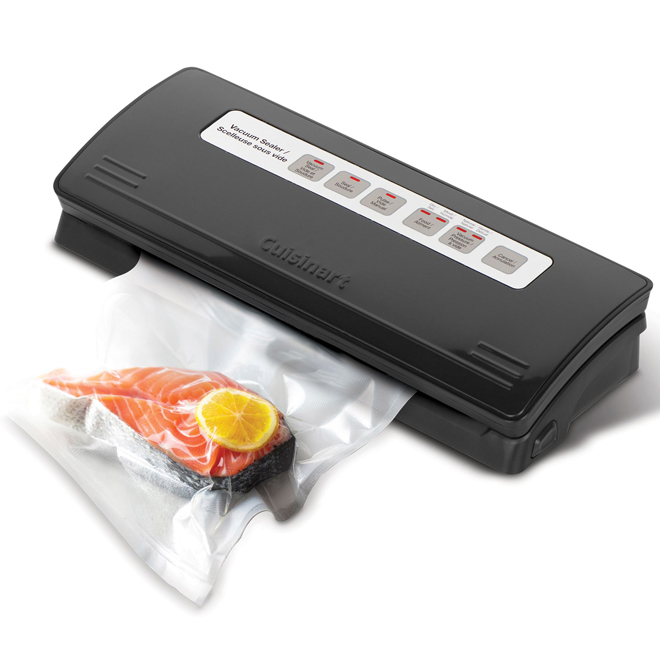
How Does a Vacuum Sealer Work and Why Should You Care?
At its core, a vacuum sealer does one simple thing: it removes air from a specialized bag or container before sealing it shut. But the implications of that simple action are massive. The primary enemy of food freshness is oxygen. It promotes the growth of bacteria, mold, and yeast, and it causes the oxidation that leads to freezer burn and flavor degradation.
By removing nearly all the oxygen, you hit the pause button on spoilage. This dramatically extends the shelf life of ingredients—we’re talking 3 to 5 times longer than traditional storage methods.
The Key Benefits for a Bustling Kitchen:
- Drastic Reduction in Food Waste: Think about the trim from your prime cuts, the extra herbs, or the batch of sauce you made. Vacuum sealing allows you to preserve these items for later use, turning potential waste into profit.
- Enhanced Flavor and Quality: Without air, marinades penetrate proteins deeper and faster. Storing ingredients in a vacuum also prevents flavor transfer in the fridge and locks in moisture and nutritional value.
- Streamlined Prep and Workflow (Mise en Place): You can prep and portion ingredients during slower periods, seal them, and have them ready to go for the rush. This means faster ticket times and less stress on the line.
- Superior Inventory Management: Sealed, labeled, and dated packages make organizing your walk-in a dream. You can see exactly what you have, reducing the risk of over-ordering or letting stock expire.
What Are the Main Types of Vacuum Sealers for Restaurants?
When you’re outfitting a professional space, your standard home-use “edge sealer” just won’t cut it. The demands of a commercial kitchen require something more robust.
External (or “Edge”) Sealers
These are the models you’re likely familiar with. You place the open end of the bag onto a sealing bar, and the machine sucks the air out before heat-sealing the edge. While affordable, they are generally not suitable for heavy commercial use. They struggle with liquids and are slower than their commercial-grade counterparts.
Chamber Vacuum Sealers
This is the workhorse you need. With a chamber sealer, you place the entire bag inside a chamber. When you close the lid, the machine removes all the air from the chamber, equalizing the pressure inside and outside the bag. This clever trick means you can seal liquids like soups, stocks, and sauces without sucking them into the machine. They are faster, more powerful, and built to withstand the rigors of a restaurant environment.
According to veteran restaurateur Chef Isabelle Reed, “My chamber vacuum sealer isn’t just a piece of equipment; it’s my partner in efficiency. It reduces our weekly food waste by a measurable 30% and allows my team to prep with confidence, knowing our ingredients will maintain their peak freshness.”
Your Step-by-Step Guide to Using a Chamber Vacuum Sealer
Ready to see it in action? Using a vacuum sealer for restaurant kitchens is straightforward once you get the hang of it.
- Preparation is Key: Ensure your food items are prepped. For liquids, it helps to pre-chill them to prevent boiling under pressure (a cool physics phenomenon!). For meats or fish, pat them dry to ensure a strong seal.
- Choose the Right Bag: Use high-quality, commercial-grade vacuum sealer bags. Don’t skimp here—a failed seal defeats the whole purpose.
- Fill the Bag: Place your items in the bag, leaving at least 2-3 inches of headspace at the top for a clean seal. If sealing liquids, be careful not to overfill.
- Position the Bag: Lay the bag flat inside the chamber with the open end draped over the sealing bar. Make sure there are no wrinkles along the area to be sealed.
- Set the Controls: Adjust the vacuum time and seal time based on the food item. Drier items need less vacuum time, while liquids and denser foods may need more. Your machine’s manual will have specific recommendations.
- Run the Cycle: Close the lid firmly. The machine will automatically start the vacuum and sealing cycle. You’ll see the air evacuate and the bag tighten around the food.
- Remove and Inspect: Once the cycle is complete, the lid will release. Remove your package and inspect the seal. It should be clear and complete, with no gaps or creases. Label and date the package immediately before storing it.
Pro Tips for Getting the Most Out of Your Sealer
- Double Seal for Security: For long-term freezer storage or for items going into a sous vide bath, run a second seal cycle an eighth of an inch away from the first one. It’s an extra layer of insurance.
- Pre-Freeze “Wet” Items: For very soft or liquid-rich items like ground meat, berries, or portions of stock, freeze them on a sheet pan for an hour before sealing. This helps them hold their shape and prevents moisture from interfering with the seal.
- Protect from Punctures: If you’re sealing items with sharp edges, like bones or shellfish, wrap the sharp part in a small piece of parchment paper before bagging to prevent punctures.
- Infuse Flavors Instantly: Use the vacuum sealer for rapid infusions. Place herbs, spices, and oil in a bag with your protein or vegetables. The vacuum pressure forces the flavors into the food in minutes, not hours.
|
Our Picks for the Best Food Vacuum Cealer in 2026
As an Amazon Associate, we earn from qualifying purchases.
|
||
| Num | Product | Action |
|---|---|---|
| 1 | SEATAO VH5188 Automatic Vacuum Sealer Machine, 90kPa Multifunction Commercial Vacuum Food Sealer For Food Preservation, Dry & Moist & Food & Extended Modes, LED lights, Double Seal |

|
| 2 | Vakumar Liquid Vacuum Sealer Machine, 90Kpa Vacuum Sealer Machine Preservation Dry/Moist/Liquid Modes, LED Indicator Light, Handle Locked Design, Built-in Cutter and Bag Storage, Removable Drip Tray |
|
| 3 | Vacuum Sealer Machine Powerful 90Kpa Precision 6-in-1 Compact Food Preservation System with Cutter, 2 Bag Rolls & 5 Pre-cut Bags, Widened 12mm Sealing Strip, Dry&Moist Modes (Silver) |
|
| 4 | FoodSaver V4400 2-in-1 Vacuum Sealer Machine with Automatic Vacuum Sealer Bag Detection and Starter Kit |
|
| 5 |
|
|
| 6 | Nesco Deluxe Food VS-12 Vacuum Sealer, 130 Watts, Kit Bags & Viewing Lid, Compact, Silver |
|
| 7 | FoodSaver Vacuum Sealer Machine, Automatic Bag Detection, Sous Vide Friendly, with sealer bags, roll, handheld vacuum sealer, black |
|
| 8 | FoodSaver Compact Vacuum Sealer Machine with Airtight Bags and Roll - Ideal for Sous Vide and Airtight Food Storage, White |
|
| 9 | Chef Preserve Compact Vacuum Sealer for Food (Vacuum Sealer Machine + 30 Reusable Vacuum Bags) Powerful Handheld Vacuum Sealer Machine, Seal Meal Saver, Portable Food Sealer |
|
| 10 | NutriChef Automatic Vacuum Air Sealing System for Food Preservation with Starter Kit, Compact Design, Lab Tested, Dry & Moist Food Modes with Led Indicator Lights, Black |
|
Foods You Should and Shouldn’t Vacuum Seal
While a vacuum sealer is incredibly versatile, it’s not a magic wand for everything.
Perfect Candidates for Vacuum Sealing:
- Proteins: Beef, poultry, fish, and pork. It’s the best way to prevent freezer burn.
- Hard Cheeses: Preserves flavor and prevents molding.
- Prepped Vegetables: Sliced onions, carrots, and celery for mirepoix.
- Grains and Nuts: Keeps them from going stale or rancid.
- Liquids: Soups, stocks, and sauces (using a chamber sealer).
- Coffee Beans and Spices: Locks in aroma and flavor.
Use Caution or Avoid Sealing These:
- Cruciferous Vegetables (Raw): Broccoli, cauliflower, cabbage, and Brussels sprouts emit gases as they ripen. If you seal them raw, the bag will expand and the vegetables will spoil. Solution: Blanch them first, then cool, dry, and seal.
- Fresh Mushrooms: They ripen quickly and can spoil faster when sealed raw due to their anaerobic nature. Solution: Sauté or dry them first.
- Whole Raw Onions and Garlic: Similar to cruciferous veggies, they release gases that will cause the bag to bloat.
- Soft Cheeses: Cheeses like brie, ricotta, and blue cheese can spoil quickly without air and can be crushed by the pressure.
How Do I Choose the Right Vacuum Sealer for My Restaurant Kitchen?
Investing in a commercial-grade machine is a big decision. Here’s what to look for when choosing a vacuum sealer for restaurant kitchens:
- Chamber Size: How large are the items you typically seal? The chamber needs to be big enough to accommodate your largest portions, whether it’s a whole rack of ribs or a gallon of stock.
- Pump Type:
- Oil Pump: More powerful, quieter, and designed for continuous, heavy-duty use. They require occasional oil changes but are the standard for professional kitchens.
- Dry (Piston) Pump: Maintenance-free but louder and less durable. Better suited for light to medium use.
- Seal Bar Length and Configuration: A longer seal bar lets you seal larger bags or multiple small bags at once. Some models have double seal bars for even more efficiency.
- NSF Certification: Look for an NSF (National Sanitation Foundation) certification. This ensures the machine is designed and constructed in a way that promotes food safety and is easy to clean and sanitize, a non-negotiable for health inspections.
- Build Quality: A stainless steel body is a must for durability and sanitation in a kitchen environment. Check the quality of the lid and hinges, as these are high-use components.
Frequently Asked Questions
What is the main difference between a chamber sealer and an external sealer for a restaurant?
The biggest difference is the ability to seal liquids. A chamber sealer removes air from the entire chamber, keeping pressure equal so liquids stay in the bag. An external sealer sucks air directly from the bag, which will also suck out any liquid, creating a mess and a failed seal.
Is an NSF-certified vacuum sealer really necessary?
For any commercial food establishment, yes. NSF certification is often required by health departments because it guarantees the machine is safe for food contact and can be properly sanitized, which is crucial for preventing cross-contamination.
How does a vacuum sealer help with sous vide cooking?
It’s the essential first step. A proper vacuum seal removes all air, ensuring the bag has direct contact with the water in the sous vide bath. This allows for precise and even heat transfer, which is the entire principle behind perfect sous vide results.
Can you vacuum seal hot liquids or food?
It’s highly recommended to cool all foods, especially liquids, before sealing. Hot liquids can create steam, which interferes with the vacuum process, and can even boil under low pressure, potentially damaging the machine or causing a safety hazard.
How much money can a restaurant realistically save with a vacuum sealer?
While it varies by operation, many restaurants report reducing their food costs by 5-15%. This comes from minimizing spoilage, buying ingredients in bulk at lower prices, and repurposing trim and leftovers that would otherwise be thrown away. The machine often pays for itself within a year.
The Final Seal of Approval
In the fast-paced, high-pressure world of professional cooking, efficiency and consistency are paramount. A vacuum sealer for restaurant kitchens is far more than a simple preservation tool; it’s a cornerstone of a modern, cost-effective, and high-quality culinary operation. It empowers you to reduce waste, streamline your prep, and lock in the fresh, vibrant flavors your customers expect. By making this strategic investment, you’re not just buying a machine—you’re buying control, consistency, and a healthier bottom line.