The hunt was a success. You’re tired, accomplished, and now looking at a freezer’s worth of hard-earned game meat. To preserve your harvest effectively and enjoy it for years, not just months, hunters need to invest in a high-quality vacuum sealer. This essential tool prevents freezer burn and maintains the flavor and nutrients of wild game, turning your harvest into perfectly preserved packages that taste fresh even a year later. Forget flimsy plastic wrap and leaky freezer bags that lead to frosty, flavorless tragedy.
But not just any kitchen gadget will do. The demands of processing a whole deer, a flock of waterfowl, or a heavy stringer of fish are far beyond what a standard, lightweight sealer can handle. You need a workhorse. This guide will show you exactly what to look for, how to use it like a pro, and why this investment will change the way you manage your game forever.
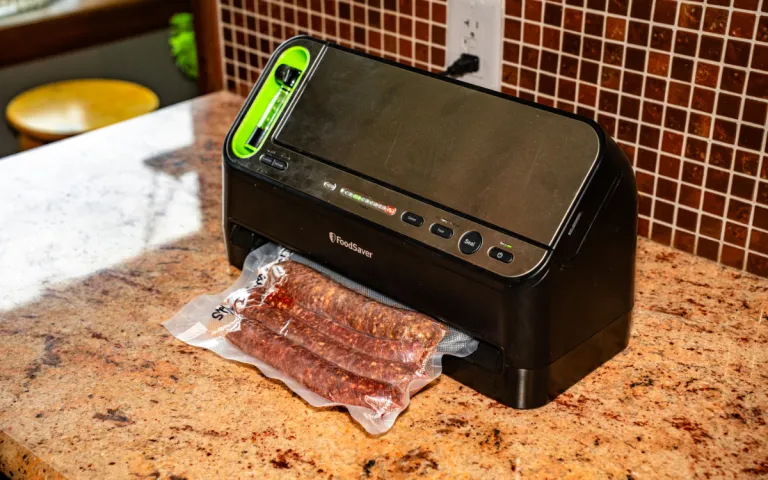
Why Every Hunter Needs a Serious Vacuum Sealer
Let’s be honest, freezer burn is the enemy. It’s that snowy, crystallized layer that sucks the moisture and flavor right out of your best cuts of venison. A vacuum sealer stops it dead in its tracks by removing the air—the oxygen—that causes it. But the benefits go way beyond that.
- Massively Extended Shelf Life: Properly vacuum-sealed game meat can last 3-5 times longer in the freezer. That means venison steaks that are still perfect after two years, compared to the six months you might get from a standard freezer bag.
- Locked-in Flavor and Nutrients: By removing air, you prevent oxidation, which degrades flavor, color, and nutritional value. Your game will taste as rich and wild as the day you processed it.
- Efficient Freezer Organization: Say goodbye to bulky, awkward packages. Vacuum-sealed bags are compact, stackable, and easy to label, transforming a chaotic freezer into a neatly organized library of your harvests.
- Perfect for Marinades: Want to infuse your backstraps with incredible flavor? Sealing them in a bag with your favorite marinade forces the flavor deep into the muscle tissue in a fraction of the time. It’s a major upgrade for jerky prep, too.
As seasoned butcher and food preservation expert Michael Carter often says, “A hunter’s job isn’t done in the field; it’s done when the last package is sealed and labeled for the freezer. A great sealer protects your effort, your money, and your memories.”
What Are the Main Types of Vacuum Sealers for Game Meat?
When you start looking, you’ll see two main categories. Understanding the difference is crucial for a hunter who needs to process large quantities of meat efficiently.
External (Suction) Vacuum Sealers
|
Our Picks for the Best Food Vacuum Cealer in 2026
As an Amazon Associate, we earn from qualifying purchases.
|
||
| Num | Product | Action |
|---|---|---|
| 1 | SEATAO VH5188 Automatic Vacuum Sealer Machine, 90kPa Multifunction Commercial Vacuum Food Sealer For Food Preservation, Dry & Moist & Food & Extended Modes, LED lights, Double Seal |

|
| 2 | Nesco Deluxe Food VS-12 Vacuum Sealer, 130 Watts, Kit Bags & Viewing Lid, Compact, Silver |
|
| 3 | FoodSaver Compact Vacuum Sealer Machine with Airtight Bags and Roll - Ideal for Sous Vide and Airtight Food Storage, White |
|
| 4 | NutriChef Automatic Vacuum Air Sealing System for Food Preservation with Starter Kit, Compact Design, Lab Tested, Dry & Moist Food Modes with Led Indicator Lights, Black |
|
| 5 | Vakumar Liquid Vacuum Sealer Machine, 90Kpa Vacuum Sealer Machine Preservation Dry/Moist/Liquid Modes, LED Indicator Light, Handle Locked Design, Built-in Cutter and Bag Storage, Removable Drip Tray |
|
| 6 | Anova Culinary Precision Vacuum Sealer Pro, Includes Large Bag Roll (19ft), Wet & Dry Dual Food Vacuum Sealer Machine for Sous Vide and Long-Term Storage, 2-Year Warranty |
|
| 7 | FoodSaver Vacuum Sealer Machine, Automatic Bag Detection, Sous Vide Friendly, with sealer bags, roll, handheld vacuum sealer, black |
|
| 8 | Chef Preserve Compact Vacuum Sealer for Food (Vacuum Sealer Machine + 30 Reusable Vacuum Bags) Powerful Handheld Vacuum Sealer Machine, Seal Meal Saver, Portable Food Sealer |
|
| 9 | FoodSaver V4400 2-in-1 Vacuum Sealer Machine with Automatic Vacuum Sealer Bag Detection and Starter Kit |
|
| 10 | Vacuum Sealer Machine Powerful 90Kpa Precision 6-in-1 Compact Food Preservation System with Cutter, 2 Bag Rolls & 5 Pre-cut Bags, Widened 12mm Sealing Strip, Dry&Moist Modes (Silver) |
|
This is the type most people are familiar with. You place the food in a special textured bag, insert the open end into the machine, and close the lid. The machine then sucks the air out of the bag and uses a heated bar to melt the plastic edges together, creating an airtight seal.
- Pros: More affordable, smaller footprint, and widely available. They are fantastic for most hunting applications, from sealing steaks and roasts to ground venison.
- Cons: They can struggle with very wet foods or liquids, as moisture can get sucked into the vacuum channel and interfere with the seal. Their duty cycle (how many times you can seal in a row) can be limited on cheaper models.
Chamber Vacuum Sealers
These are the heavy-duty, commercial-grade beasts. Instead of sucking air out of the bag, you place the entire bag inside a chamber. The machine removes the air from the entire chamber, which equalizes the pressure inside and outside the bag. Then, the seal bar clamps down and seals the bag before air is let back into the chamber.
- Pros: They can seal liquids perfectly—think stews, soups, or marinades—without any issue. They are built for high-volume, continuous work and typically produce a stronger, more reliable seal.
- Cons: They are significantly larger, heavier, and more expensive. For the casual hunter, it might be overkill, but for a hunting camp or a family that processes multiple animals a year, a chamber sealer is an incredible investment.
How to Buy the Best Vacuum Sealer for Hunters
Not all sealers are created equal. A machine designed for sealing leftovers once a week will fail spectacularly when faced with 50 pounds of venison. Here’s what a hunter needs to prioritize.
Motor Power and Duty Cycle
This is non-negotiable. You need a machine that can run continuously without overheating. Look for models with fan-cooled motors or those specifically rated for “heavy-duty” or “continuous use.” A weak motor will not only overheat but will also pull a weaker vacuum, leaving air pockets that lead to freezer burn.
A Wide and Reliable Seal Bar
The seal is everything. A thin, single seal is a point of failure. Look for a machine that offers:
- A wide seal: At least 4-5mm wide. This creates a much more secure barrier.
- A double seal: Many higher-end models for hunters have two parallel sealing wires. This provides a backup and is almost foolproof.
- A long seal bar: A bar that is at least 12 inches long, preferably 15 inches, allows you to use wider bags for large roasts or whole birds.
Essential Features for Processing Game
Beyond the basics, certain features make a world of difference when you’re elbow-deep in butchering.
- Moist and Dry Food Settings: This adjusts the sealing time and vacuum pressure to handle different types of food. The “moist” setting is critical for fresh meat.
- Pulse Mode: This gives you manual control over the vacuum process. It’s perfect for delicate items or for positioning liquids away from the seal area just before sealing.
- Built-in Roll Storage and Cutter: This is a massive convenience. It keeps your bag material organized and allows you to create custom-sized bags on the fly, saving money and reducing waste.
- Durable Construction: Look for stainless steel components over plastic. They are easier to clean and will withstand the rigors of a busy processing session.
A Hunter’s Step-by-Step Guide to a Perfect Seal
Owning a great machine is only half the battle. Your technique is what guarantees freezer-to-table perfection.
- Prepare the Meat: This is the most overlooked step. Pat your meat completely dry with paper towels. Excess moisture is the enemy of a good seal. For very wet cuts or ground meat, spread it on a baking sheet and pre-freeze for 1-2 hours until firm.
- Create Your Bag: If using a roll, decide on the length you need. Always leave at least 3-4 inches of extra headspace at the top. This gives the machine room to work and ensures a clean, flat surface for sealing.
- Fill and Position: Place the meat in the bag. Fold the top edge of the bag outward before filling to prevent any grease or moisture from contaminating the seal area. A contaminated seal area will fail.
- Place in the Sealer: Carefully lay the open end of the bag flat and wrinkle-free across the seal bar. Make sure it’s positioned correctly within the vacuum channel according to your machine’s manual.
- Vacuum and Seal: Close the lid and start the machine. Let it run its full automatic cycle. If you’re a perfectionist, hit the “seal” button manually a second time to create an extra-strong double seal.
- Label and Freeze: Immediately label the bag with the cut of meat and the date using a permanent marker. Future you will be very grateful.
Pro Tips for Sealing Your Wild Game Harvest
After processing dozens of animals over the years, I’ve learned a few tricks that make a huge difference.
- Bone Guards are Your Friend: Sharp bones (like on a T-bone venison steak or a bone-in roast) can easily puncture a vacuum bag. You can buy special “bone guards” or simply fold up a small piece of vacuum bag material and place it over the sharp edge before sealing.
- Double Sealing is Never a Bad Idea: Even if your machine only has a single seal bar, you can easily create a double seal. After the first seal is complete, simply move the bag back an inch and use the “manual seal” function to create a second, parallel seal. It’s cheap insurance.
- Portion for Your Lifestyle: Don’t just seal up massive roasts you’ll never cook on a weeknight. Portion your ground meat into one-pound packages and your steaks into meal-sized packs for two or four people. This prevents waste and makes meal planning a breeze. For more ideas on portioning, check out our [guide to freezer management].
What Can You Seal from a Hunt?
The list of what you can seal is long.
- Venison, Elk, Moose: Steaks, roasts, backstraps, tenderloins, ground meat.
- Game Birds: Whole or portioned pheasant, duck, quail, turkey.
- Fish: Fillets (pre-freeze them on a tray first to keep their shape).
- Jerky and Sausages: Sealing these extends their shelf life dramatically.
- Organ Meats: Heart, liver—seal them up for special meals.
The “don’t seal” list is short and mostly relates to raw vegetables that outgas (like broccoli or cabbage), but for a hunter’s purposes, almost everything from your harvest is a perfect candidate for sealing with the right prep.
Frequently Asked Questions
How long does vacuum-sealed venison last in the freezer?
While the official recommendation is 2-3 years, many hunters, including myself, have enjoyed perfectly delicious venison that was vacuum-sealed for 4-5 years. The key is a deep freeze and a high-quality, airtight seal.
What is the best vacuum sealer for wet meat like ground venison?
For very wet meat, a chamber vacuum sealer is the absolute best. If using an external sealer, the trick is to pre-freeze the ground meat in its bag for an hour or two until it’s firm. This prevents moisture from being pulled into the seal area.
Can you vacuum seal freshly hunted meat right away?
You should always let meat cool down completely first. For big game, it’s best to let it age or at least rest in a refrigerator or cooler for a few days to improve tenderness and flavor before butchering and sealing. Sealing warm meat can trap moisture and bacteria.
Do I need special, expensive bags for sealing game meat?
Yes, you must use bags specifically designed for vacuum sealing. They have special textured channels that allow air to be removed. Don’t cheap out on bags; a failed bag means wasted meat. Look for bags that are at least 3 mil thick and BPA-free.
Is a chamber vacuum sealer worth the extra cost for a hunter?
If you hunt multiple animals per season, share processing duties with a group, or also do a lot of fishing and gardening, a chamber sealer can absolutely be worth it. The reliability, speed, and ability to seal liquids are unmatched. For the average hunter processing one or two deer a year, a high-quality external sealer is more than sufficient.
Your Harvest Deserves the Best Protection
Your hunt represents a massive investment of time, skill, and resources. Protecting that investment shouldn’t be an afterthought. When you finally decide to buy a vacuum sealer for hunters, you’re not just buying a kitchen appliance; you’re buying peace of mind. You’re guaranteeing that every hard-won meal will be as fresh, delicious, and memorable as it deserves to be. Choose a machine that matches the seriousness of your pursuit, and you’ll be rewarded with incredible flavor for years to come.
Frequently Asked Questions
How long can vacuum-sealed venison be stored in the freezer?
Vacuum-sealed venison can last 4-5 years in a deep freezer, significantly longer than the 6 months for standard freezer bags. This extended shelf life is achieved with a high-quality, airtight seal and consistent freezing temperatures.
Which type of vacuum sealer is best for very wet game meat?
For very wet game meat like ground venison, a chamber vacuum sealer is the best option because it seals liquids without issue. If using an external sealer, pre-freeze the meat in its bag for 1-2 hours until firm to prevent moisture from interfering with the seal.
Is it safe to vacuum seal freshly hunted meat immediately after the hunt?
No, you should always allow freshly hunted meat to cool down completely before vacuum sealing. For big game, it's recommended to age or rest the meat in a refrigerator or cooler for a few days to improve tenderness and flavor. Sealing warm meat can trap moisture and bacteria, compromising preservation.
Are special bags required for vacuum sealing game meat?
Yes, you must use bags specifically designed for vacuum sealing, which feature textured channels to allow air removal. These bags should be at least 3 mil thick and BPA-free to ensure a reliable seal and prevent wasted meat.
Is a chamber vacuum sealer a worthwhile investment for hunters?
A chamber vacuum sealer is a worthwhile investment for hunters who process multiple animals per season, share duties, or also engage in extensive fishing and gardening. Its reliability, speed, and ability to seal liquids are unmatched. For the average hunter processing one or two deer annually, a high-quality external sealer is usually sufficient.
Get our weekly buyer guide
Practical specs, not advice. Unsubscribe anytime.
As someone who processes a lot of wild game, I can’t stress enough how important a good vacuum sealer is. This guide hit all the key points, especially about maintaining flavor and nutrients. My family can now enjoy our harvest for so much longer without any loss in quality. It truly is an essential tool for any serious hunter.
The info here was solid, especially about needing something more than a standard kitchen gadget. I got a model that was recommended for processing a whole deer, and it works well for the most part. My only gripe is that it’s a bit louder than I expected, which can be annoying when I’m doing a big batch. Still, it beats flimsy plastic wrap.
I finally pulled the trigger on a heavy-duty vacuum sealer after years of dealing with freezer-burned venison. This guide really helped me focus on the ‘workhorse’ features I needed. My last batch of deer meat is sealed up tight, and I’m confident it’ll taste fresh even next hunting season. No more wasted game!
This was super helpful for understanding what to look for in a sealer specifically for game meat. I used to just double-bag everything, but it never really prevented freezer burn on my fish. The tips on how to use it like a pro were great, and I’m already seeing a difference with my recent waterfowl harvest. Wish I’d bought one sooner!