Tired of throwing away food that’s gone bad way too soon? Freezer burn turning your prime cuts of steak into something barely recognizable? You’re not alone. A stainless steel vacuum sealer is a superior choice for food preservation due to its enhanced durability, hygiene, and often more powerful performance compared to plastic models, making it a worthwhile investment for extending food freshness and reducing waste. It’s more than just a fancy appliance; it’s a new way to manage your kitchen, save money, and enjoy fresher food for longer. Let’s dive into why these metal marvels are a cut above the rest.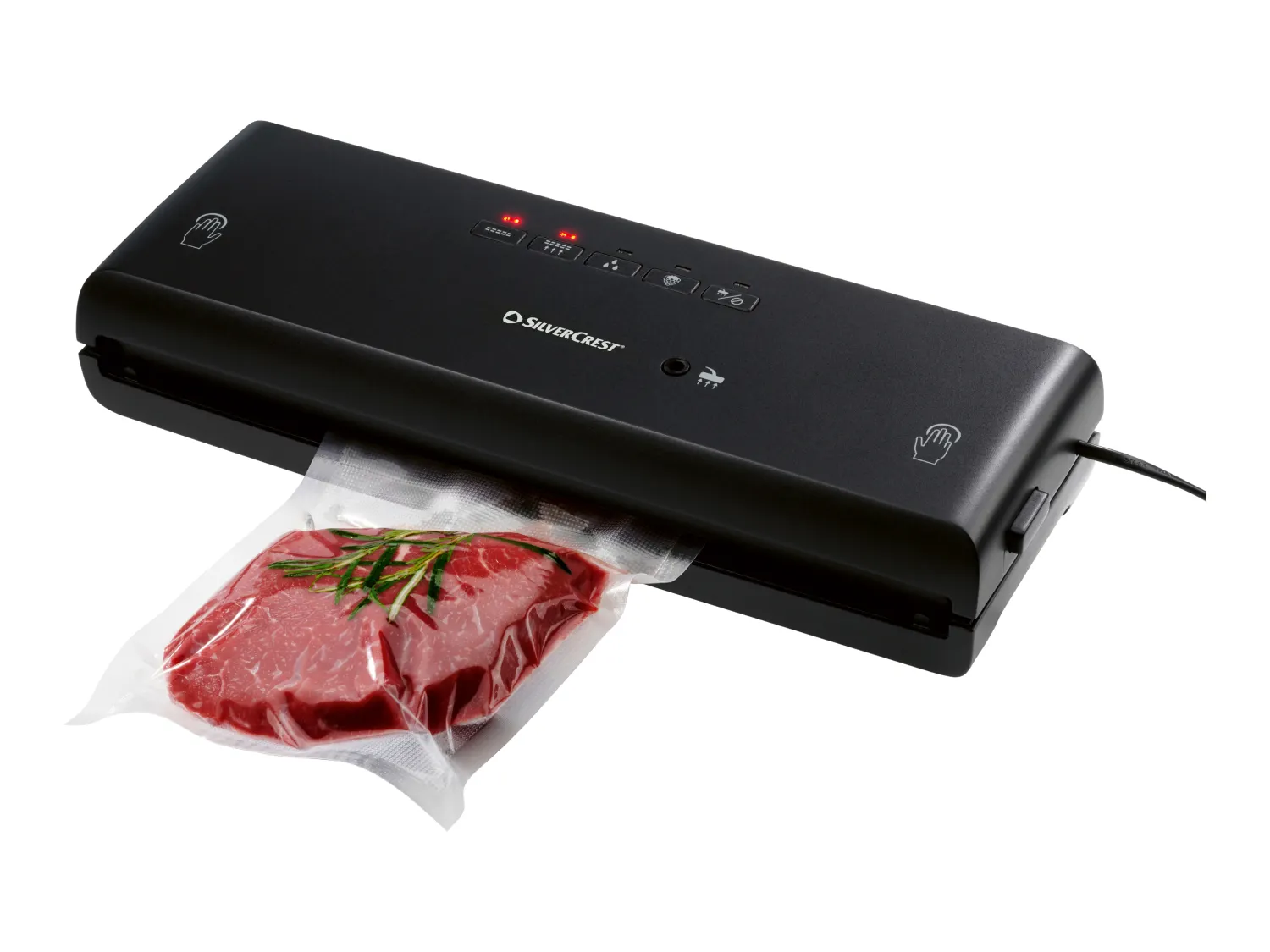
Why Go for a Stainless Steel Vacuum Sealer Anyway?
When you’re browsing for a vacuum sealer, you’ll immediately notice two main types: plastic and stainless steel. So, what’s the big deal about the metal ones? Is it just about looking sleek on your countertop?The short answer is: no, it’s about much more than looks. A stainless steel vacuum sealer is chosen for its superior durability, hygiene, and often, more powerful performance. Think of it as the difference between a daily commuter car and a heavy-duty truck. Both get you from A to B, but one is built for tougher jobs and a longer lifespan.Here’s the breakdown:
- Built to Last: Stainless steel housing is incredibly durable. It resists dings, cracks, and stains far better than its plastic counterparts. This is an appliance designed to withstand the hustle and bustle of a busy kitchen for years.
- A Hygienic Hero: Stainless steel is non-porous. This means it doesn’t harbor bacteria or absorb odors from food spills. A simple wipe-down is often all it takes to keep it perfectly clean and sanitary.
- Consistent High Performance: Manufacturers often put more powerful motors and higher-quality components into their stainless steel models. This translates to stronger suction and a more reliable seal, which is critical for long-term food preservation.
- The Professional Look: Let’s be honest, it looks fantastic. A stainless steel appliance adds a touch of professional polish to any kitchen, matching other high-end gadgets and creating a cohesive look.
How Does a Vacuum Sealer Work Its Magic?
Ever wonder what’s actually happening inside that machine? It’s a beautifully simple process. A vacuum sealer removes the air from a specially designed bag or container and then creates an airtight heat seal to lock in freshness.The main culprit behind food spoilage is oxygen. It allows for the growth of mold, mildew, and bacteria. It also causes oxidation, which is what turns your sliced apples brown and your frozen meats grey and tasteless (hello, freezer burn). By removing the vast majority of the air, you dramatically slow down this process. It’s like pressing the “pause” button on spoilage. For browse all vacuum sealers articles on this site.
Expert Take: According to food preservation specialist Chef Danielle Reed, “Vacuum sealing is the closest you can get to commercial-grade preservation in your own home. It’s not just about extending shelf life; it’s about preserving the quality—the texture, flavor, and nutritional value of your food.”
A Step-by-Step Guide to Using Your Sealer Like a Pro
Getting started is a breeze. While every model is slightly different, the core process is universal. Here’s a simple guide to get you sealing perfectly from your very first try.
- Preparation is Key: Start with your food. If you’re sealing something moist like raw meat or marinated fish, pat it dry with a paper towel. For liquids like soups or stews, it’s best to pre-freeze them in the bag or a container first.
- Get Your Bag Ready: If you’re using a roll, pull out enough material to hold your food with at least three inches of extra space at the top. Use the machine’s built-in cutter to make a straight cut.
- Create the First Seal: Place one of the open ends of your new bag onto the sealing strip, close the lid, and hit the “Seal” button. This will create the bottom of your bag.
- Fill ‘er Up: Place your food item into the bag. Be careful not to overfill it! That extra three inches of space at the top is crucial for getting a good seal.
- The Main Event: Vacuum and Seal: Open the lid and carefully place the open end of the filled bag into the vacuum channel (a trough just in front of the sealing strip).
- Lock and Load: Close the lid firmly until it clicks into place. This engages the vacuum system.
- Push the Button: Press the “Vacuum & Seal” button. The machine will roar to life, sucking all the air out of the bag. You’ll see the plastic shrink tightly around your food. Once all the air is removed, the machine will automatically switch to sealing the bag shut.
- Label and Store: Once the machine is done, release the lid. Your food is now perfectly sealed. We highly recommend using a permanent marker to write the contents and the date on the bag before storing it in the pantry, fridge, or freezer.
Our In-Depth Stainless Steel Vacuum Sealer Review Criteria
When we conduct a stainless steel vacuum sealer review, we don’t just look at the shiny exterior. We put these machines through their paces, focusing on the factors that truly matter for performance and longevity.
Suction Power
|
Our Picks for the Best Food Vacuum Cealer in 2026
As an Amazon Associate, we earn from qualifying purchases.
|
||
| Num | Product | Action |
|---|---|---|
| 1 | Chef Preserve Compact Vacuum Sealer for Food (Vacuum Sealer Machine + 30 Reusable Vacuum Bags) Powerful Handheld Vacuum Sealer Machine, Seal Meal Saver, Portable Food Sealer |

|
| 2 | Vacuum Sealer Machine Powerful 90Kpa Precision 6-in-1 Compact Food Preservation System with Cutter, 2 Bag Rolls & 5 Pre-cut Bags, Widened 12mm Sealing Strip, Dry&Moist Modes (Silver) |
|
| 3 | Anova Culinary Precision Vacuum Sealer Pro, Includes Large Bag Roll (19ft), Wet & Dry Dual Food Vacuum Sealer Machine for Sous Vide and Long-Term Storage, 2-Year Warranty |
|
| 4 | NutriChef Automatic Vacuum Air Sealing System for Food Preservation with Starter Kit, Compact Design, Lab Tested, Dry & Moist Food Modes with Led Indicator Lights, Black |
|
| 5 | FoodSaver V4400 2-in-1 Vacuum Sealer Machine with Automatic Vacuum Sealer Bag Detection and Starter Kit |
|
| 6 | SEATAO VH5188 Automatic Vacuum Sealer Machine, 90kPa Multifunction Commercial Vacuum Food Sealer For Food Preservation, Dry & Moist & Food & Extended Modes, LED lights, Double Seal |
|
| 7 | Vakumar Liquid Vacuum Sealer Machine, 90Kpa Vacuum Sealer Machine Preservation Dry/Moist/Liquid Modes, LED Indicator Light, Handle Locked Design, Built-in Cutter and Bag Storage, Removable Drip Tray |
|
| 8 | FoodSaver Compact Vacuum Sealer Machine with Airtight Bags and Roll - Ideal for Sous Vide and Airtight Food Storage, White |
|
| 9 | FoodSaver Vacuum Sealer Machine, Automatic Bag Detection, Sous Vide Friendly, with sealer bags, roll, handheld vacuum sealer, black |
|
| 10 | Nesco Deluxe Food VS-12 Vacuum Sealer, 130 Watts, Kit Bags & Viewing Lid, Compact, Silver |
|
This is the heart of the machine. We look for strong, consistent vacuum power, often measured in inches of mercury (inHg). A higher number means a more powerful vacuum and less residual air in the bag, which is key for long-term preservation and for techniques like sous vide cooking.
Sealing Bar Quality
A weak or inconsistent seal defeats the whole purpose. We examine the width of the heat seal—wider is generally better and more secure. We test it on both dry and moist foods to ensure it creates a dependable, airtight barrier every single time. A dual-seal feature is a huge plus.
Build Quality and Durability
This is where stainless steel models are supposed to shine. We assess the gauge of the steel, the sturdiness of the lid, the quality of the latching mechanism, and the overall feel. It should feel solid and stable on the counter, not flimsy.
Ease of Use and Features
A great machine shouldn’t require an engineering degree to operate. We look for intuitive controls, clear indicator lights, and helpful features like:
- Onboard Roll Storage and Cutter: Incredibly convenient for making custom-sized bags.
- Moist/Dry Food Settings: Adjusts the sealing process for different types of food.
- Removable Drip Tray: An absolute must-have for easy cleanup after sealing juicy items.
- Accessory Port: Allows you to seal canisters and marinate foods in special containers.
Foods You Should and Shouldn’t Vacuum Seal
Vacuum sealing is a fantastic tool, but it’s not suitable for everything. Knowing the difference will save you from potential food safety issues and disappointing results.Go Ahead and Seal These:
- Meats and Fish: Perfect for bulk buying and preventing freezer burn.
- Hard Cheeses: Prevents mold and keeps them from drying out.
- Dry Goods: Coffee beans, nuts, flour, and pasta stay fresh for much longer.
- Fresh Vegetables (after blanching): See tips below.
- Soups, Stocks, and Sauces: Freeze them solid first, then seal for easy, mess-free storage.
- Meal-Prepped Portions: Ideal for portion control and grab-and-go meals.
Hold Off on Sealing These:
- Cruciferous Vegetables (raw): Things like broccoli, cauliflower, cabbage, and Brussels sprouts emit gases as they ripen. Sealing them raw can cause the bag to inflate and the veggies to spoil. You must blanch them first!
- Fresh Mushrooms: Their ripening process can cause them to decay quickly in a low-oxygen environment. It’s better to cook them first or dry them.
- Soft Cheeses: Cheeses like Brie, Camembert, and ricotta don’t do well. The lack of air can ruin their texture and promote the growth of anaerobic bacteria.
- Garlic and Onions (raw): Like cruciferous veggies, they release gases. More importantly, raw garlic in a low-oxygen environment poses a rare but serious risk of botulism. Always cook them or freeze them first.
Frequently Asked Questions (FAQ)
Q1: Is a stainless steel vacuum sealer really better than a plastic one?A: For durability, hygiene, and often more powerful performance, yes. While a good quality plastic model can serve you well, a stainless steel sealer is typically a longer-term investment built for more frequent and heavy-duty use.Q2: How much longer does vacuum-sealed food last?A: It can extend the freezer life of foods from months to years, preventing freezer burn entirely. In the refrigerator, it can extend the life of meats and cheeses by weeks. For example, frozen beef that typically lasts 6 months can last 2-3 years when vacuum sealed.Q3: Can you reuse vacuum sealer bags?A: Yes, you can! As long as the bag previously held dry goods (like nuts or bread) and is washed thoroughly, you can reuse it. Simply cut off the old seal and reseal. We don’t recommend reusing bags that held raw meat, fish, or greasy foods.Q4: Do I need special bags for a stainless steel vacuum sealer?A: Yes, you need bags specifically designed for vacuum sealing. These bags have special channels or textures on one side that allow the air to be completely removed. Regular plastic bags won’t work.Q5: What is blanching and why is it necessary for some vegetables?A: Blanching is the process of briefly boiling vegetables and then quickly plunging them into ice water to stop the cooking process. This stops the enzymes that cause them to release gas and spoil, even in a vacuum-sealed bag. It’s a crucial step for vegetables like broccoli and cauliflower.
The Final Verdict
Making the switch to a high-quality food sealer is one of the most effective ways to combat food waste, save significant money on groceries, and elevate your food preparation. Based on our comprehensive stainless steel vacuum sealer review, it’s clear that these models offer a superior combination of power, durability, and hygiene that makes them a worthwhile investment for any serious home cook, meal prepper, or bulk shopper. They are built to perform and built to last, giving you the confidence that your food will stay as fresh as the day you sealed it.
Frequently Asked Questions
Is a stainless steel vacuum sealer truly better than a plastic model?
Yes, a stainless steel vacuum sealer generally offers superior durability, hygiene, and more powerful performance compared to plastic models. It is built for more frequent, heavy-duty use and is a longer-term investment for serious food preservation.
How much longer can food last when vacuum-sealed?
Vacuum sealing can extend the freezer life of foods from months to years, effectively preventing freezer burn. In the refrigerator, it can extend the life of items like meats and cheeses by several weeks. For example, frozen beef can last 2-3 years when vacuum sealed, compared to 6 months unsealed.
Can vacuum sealer bags be reused after sealing food?
Yes, vacuum sealer bags can be reused if they previously held dry goods like nuts or bread and are thoroughly washed. Simply cut off the old seal and create a new one. However, it is not recommended to reuse bags that contained raw meat, fish, or greasy foods due to hygiene concerns.
Are special bags required for a stainless steel vacuum sealer?
Yes, special bags designed specifically for vacuum sealing are required. These bags feature unique channels or textures on one side that enable the machine to completely remove air. Regular plastic bags will not work effectively with a vacuum sealer.
What is blanching and why is it important for some vegetables before sealing?
Blanching is a process where vegetables are briefly boiled and then immediately plunged into ice water to halt the cooking. This crucial step stops enzymes that cause certain vegetables, like broccoli and cauliflower, to release gases and spoil, even when vacuum-sealed.
Get our weekly buyer guide
Practical specs, not advice. Unsubscribe anytime.
I bought a stainless steel vacuum sealer hoping to reduce food waste, and it does a decent job extending freshness. However, I’ve noticed that sometimes the seal isn’t perfect on very moist items, which can be a bit frustrating. It’s definitely a step up from just using zip-top bags, but I was expecting flawless performance every time given the investment.
I finally upgraded to a stainless steel vacuum sealer after years of using a flimsy plastic one, and the difference is night and day. The enhanced durability is no joke; this thing feels like it’s built to last. I’ve been sealing everything from bulk meat purchases to garden vegetables, and it keeps everything so fresh, no more freezer burn on my steaks!
This stainless steel vacuum sealer has completely changed how I manage my kitchen. I used to throw away so much produce, but now I can buy in bulk and seal everything up. It’s truly a worthwhile investment for saving money and enjoying fresher food for longer. Plus, it looks super sleek on my counter, which is a nice bonus!
I was skeptical about spending more on a stainless steel model, but the hygiene aspect really sold me. It’s so much easier to clean and doesn’t hold onto odors like my old plastic sealer did. The powerful performance is great for marinading too, really infuses flavors quickly. My only minor complaint is that it’s a bit heavier to move around, but that’s a small trade-off for the quality.