A stylish vacuum sealer for modern homes is a necessity for reducing food waste and saving money without sacrificing aesthetics, offering functionality and high-end design in one appliance. These sleek gadgets, available in countertop, drawer, and handheld models, revolutionize kitchen efficiency by extending food freshness by 3 to 5 times compared to traditional storage methods. They prevent freezer burn, enhance sous vide cooking, and streamline meal preparation, making them an essential addition to any contemporary kitchen.
Why a Vacuum Sealer is a Modern Kitchen Must-Have
Oxygen is the primary culprit that causes food to spoil, leading to freezer burn, mold, and bacterial growth. A vacuum sealer removes air from specialized bags and creates an airtight seal, dramatically slowing down spoilage. This process creates an oxygen-free environment for foods like steak, avocado, or chili, offering significant benefits: For browse all vacuum sealers articles on this site.
- Slash Your Grocery Bill: Buying in bulk or taking advantage of sales becomes more economical as food, such as a family pack of chicken or seasonal berries, lasts for months instead of days.
- Say Goodbye to Freezer Burn: Vacuum sealing prevents air contact with frozen food, which dehydrates it and makes it tough. The airtight barrier keeps frozen goods fresh.
- Elevate Your Cooking: For sous vide enthusiasts, a vacuum sealer ensures a perfect seal for even cooking and locks in all the flavor and juices.
- Streamline Meal Prep: Preparing meals for the week and vacuum sealing individual portions keeps them fresh, delicious, and ready to eat, eliminating soggy salads.
Beyond the Bulk: Types of Modern Vacuum Sealers
The market for vacuum sealers has evolved, offering options designed with modern kitchens in mind, moving beyond large, cumbersome devices.
The Sleek Countertop Champion: External Sealers
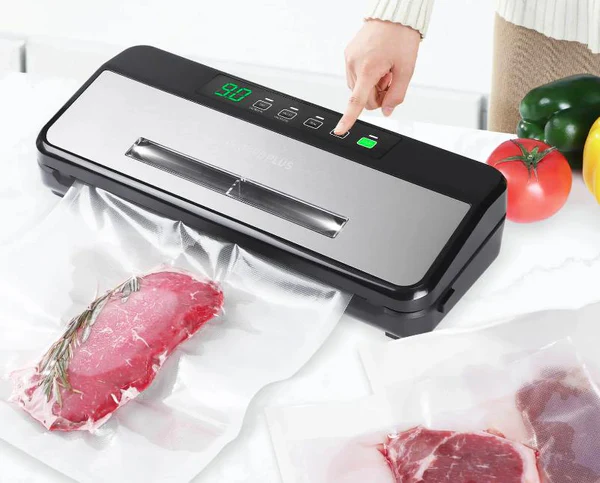
External vacuum sealers are the most common type and have seen significant design improvements. They clamp down on an open bag end, extract air, and then seal it. Modern versions feature slim profiles, stainless steel or matte black finishes, and intuitive touch controls that seamlessly integrate with other high-end appliances, balancing power and aesthetic appeal.
The Integrated Powerhouse: Drawer Sealers
For a minimalist aesthetic, drawer or chamber vacuum sealers are built directly into cabinetry, similar to a microwave drawer. They remain hidden when not in use, offering superior performance without occupying counter space. While a larger investment, they serve as a statement piece for truly modern, high-functioning kitchens.
The Compact Contender: Handheld Sealers
Handheld sealers are a fantastic, stylish option for limited space or less frequent sealing needs. These small, wand-like devices work with special reusable bags that have a valve, ideal for sealing cheese, deli meats, or leftovers, and are easily stored in a drawer.
How to Use Your Stylish Vacuum Sealer: A Simple Guide
Getting started with a vacuum sealer is straightforward, with a universal basic process despite model variations.
- Prepare Your Food: Ensure food is clean and dry. For liquids or moist foods like soups, pre-freeze them in the bag for a few hours to prevent liquid from being drawn into the machine.
- Choose the Right Bag: Use bags specifically designed for your vacuum sealer, cutting the roll to the desired length with at least three inches of extra space at the top.
- Create the First Seal: If using a roll, seal one end to form a bag by placing it on the sealing strip, closing the lid, and pressing the “Seal” button.
- Fill the Bag: Place your food inside the bag, arranging it in a single, flat layer if possible.
- Position and Seal: Open the lid and place the open end of the filled bag into the vacuum channel. Close the lid firmly until it clicks.
- Start the Process: Press the “Vacuum & Seal” button. The machine will automatically remove air and seal the bag. The process is complete when the indicator light turns off.
- Label and Store: Always label bags with contents and date before storing them in the pantry, fridge, or freezer.
Pro Tips for Flawless Sealing Every Time
These tricks can significantly improve your sealing results:
- Double Seal for Security: For long-term freezer storage or sous vide cooking, apply a second seal about a quarter-inch from the first for extra leak protection.
- Mind the Moisture: Utilize the “moist food” setting on modern sealers, which adjusts suction and sealing time for items like marinated meats or fish.
- Protect from Sharp Edges: When sealing items with sharp edges, such as bones or pasta, fold a small piece of paper towel over the sharp points inside the bag to prevent punctures.
- Give it a Rest: During large batch-sealing sessions, allow the machine a minute to cool down after every 10-15 seals to protect the motor and ensure consistent seal strength.
What Foods Can You Vacuum Seal? (And What to Avoid)
A vacuum sealer is versatile, but not suitable for all foods. Knowing what to seal and what to avoid is crucial for optimal results.
“A great vacuum sealer is more than a gadget; it’s a philosophy. It’s about respecting your ingredients, reducing waste, and ultimately, making your life in the kitchen more efficient and delicious.” – Chef Isabella Rossi, Food Preservation Specialist
Foods That Are Great for Sealing:
- Meats and Poultry: Beef, chicken, pork, and fish preserve well.
- Hard Cheeses: Prevents mold and drying out.
- Hard Fruits and Vegetables: Carrots, beans, corn, and berries (pre-freeze berries on a tray).
- Dry Goods: Coffee beans, nuts, flour, and pasta stay fresh longer.
- Pre-Cooked Meals: Soups, stews, and casseroles are ideal for easy weeknight dinners.
Foods to Avoid or Seal with Caution:
- Cruciferous Vegetables: Raw broccoli, cauliflower, cabbage, and Brussels sprouts release gases that can expand the bag; blanch them first.
- Soft Cheeses: Delicate cheeses like brie or ricotta may not retain their shape under pressure.
- Whole Mushrooms: They ripen quickly and can spoil even when sealed; sauté them first.
- Fresh Onions and Garlic: These release natural gases that will compromise the seal.
How to Choose the Perfect Stylish Vacuum Sealer for Modern Homes
Selecting the right model involves balancing form and function.
Aesthetics and Footprint
|
Our Picks for the Best Food Vacuum Cealer in 2026
As an Amazon Associate, we earn from qualifying purchases.
|
||
| Num | Product | Action |
|---|---|---|
| 1 | Chef Preserve Compact Vacuum Sealer for Food (Vacuum Sealer Machine + 30 Reusable Vacuum Bags) Powerful Handheld Vacuum Sealer Machine, Seal Meal Saver, Portable Food Sealer |

|
| 2 | FoodSaver Vacuum Sealer Machine, Automatic Bag Detection, Sous Vide Friendly, with sealer bags, roll, handheld vacuum sealer, black |
|
| 3 | SEATAO VH5188 Automatic Vacuum Sealer Machine, 90kPa Multifunction Commercial Vacuum Food Sealer For Food Preservation, Dry & Moist & Food & Extended Modes, LED lights, Double Seal |
|
| 4 | Anova Culinary Precision Vacuum Sealer Pro, Includes Large Bag Roll (19ft), Wet & Dry Dual Food Vacuum Sealer Machine for Sous Vide and Long-Term Storage, 2-Year Warranty |
|
| 5 | Vakumar Liquid Vacuum Sealer Machine, 90Kpa Vacuum Sealer Machine Preservation Dry/Moist/Liquid Modes, LED Indicator Light, Handle Locked Design, Built-in Cutter and Bag Storage, Removable Drip Tray |
|
| 6 | FoodSaver Compact Vacuum Sealer Machine with Airtight Bags and Roll - Ideal for Sous Vide and Airtight Food Storage, White |
|
| 7 | NutriChef Automatic Vacuum Air Sealing System for Food Preservation with Starter Kit, Compact Design, Lab Tested, Dry & Moist Food Modes with Led Indicator Lights, Black |
|
| 8 | FoodSaver V4400 2-in-1 Vacuum Sealer Machine with Automatic Vacuum Sealer Bag Detection and Starter Kit |
|
| 9 | Nesco Deluxe Food VS-12 Vacuum Sealer, 130 Watts, Kit Bags & Viewing Lid, Compact, Silver |
|
| 10 | Vacuum Sealer Machine Powerful 90Kpa Precision 6-in-1 Compact Food Preservation System with Cutter, 2 Bag Rolls & 5 Pre-cut Bags, Widened 12mm Sealing Strip, Dry&Moist Modes (Silver) |
|
For a stylish vacuum sealer, look for models with clean lines and premium materials like brushed stainless steel or sleek, fingerprint-resistant composites. Consider the footprint to ensure it fits your counter space; measure your area and compare it to product dimensions.
Functionality and Power
A vacuum sealer must perform well. Check for features that suit your lifestyle:
- Suction Power: A strong motor ensures a tight, reliable seal.
- Sealing Modes: Look for dedicated “dry” and “moist” settings.
- Extra Features: Built-in bag cutters, roll storage compartments, or accessory ports for canisters and jars enhance convenience.
Ease of Use and Cleaning
Your appliance should be easy to operate and maintain. Look for intuitive one-touch controls and clear indicator lights. A removable drip tray is essential for easy cleanup of any accidental liquid messes.
Frequently Asked Questions
How much longer does vacuum-sealed food last?
Generally, vacuum-sealed food lasts 3 to 5 times longer than food stored in traditional containers or bags. For instance, frozen beef can last up to 3 years instead of 6 months, and refrigerated cheese can last for several months instead of a couple of weeks.
Can you vacuum seal liquids like soup?
Yes, but you need to pre-freeze them. Pour the soup or liquid into the bag, leaving space at the top, and place it upright in the freezer until solid. Once frozen, you can vacuum seal it without any mess or risk to the machine.
Is a stylish vacuum sealer less powerful than a bulky, commercial one?
Not necessarily. Many modern, design-focused brands use the same powerful motors and sealing technology as their less attractive counterparts. The difference is simply in the exterior housing and user interface, which are designed for a home kitchen rather than a commercial one.
Do I need to use special bags for my vacuum sealer?
Yes, you must use bags specifically designed for vacuum sealing. These bags are multi-layered and textured with channels on one side to allow air to be completely removed before the bag is sealed. Regular plastic bags will not work.
Can vacuum sealing really improve my meal prep?
Absolutely. It’s a game-changer. You can prep ingredients like chopped vegetables or marinate meats and seal them in individual portions. They will stay significantly fresher throughout the week, saving you time and ensuring your meals taste great.
Your Kitchen, Elevated
Choosing a stylish vacuum sealer for modern homes is an investment in a smarter, more sustainable, and more beautiful kitchen. It’s a tool that empowers you to waste less, eat better, and save more, all while complementing the aesthetic you’ve worked so hard to create. So go ahead, embrace the future of food preservation. Your wallet, your taste buds, and your countertop will thank you.
Frequently Asked Questions
How much longer does vacuum-sealed food last compared to traditional storage?
Vacuum-sealed food generally lasts 3 to 5 times longer than food stored in traditional containers or bags. For example, frozen beef can last up to 3 years instead of 6 months, and refrigerated cheese can last for several months instead of a couple of weeks.
Can I vacuum seal liquids like soups or stews without making a mess?
Yes, you can vacuum seal liquids like soup, but you need to pre-freeze them first. Pour the liquid into the bag, leaving space at the top, and place it upright in the freezer until it becomes solid. Once frozen, you can safely vacuum seal it without any mess or risk to the machine.
Are stylish vacuum sealers as powerful as larger, commercial-grade models?
Not necessarily. Many modern, design-focused brands incorporate the same powerful motors and sealing technology found in less aesthetically pleasing commercial counterparts. The primary difference lies in the exterior housing and user interface, which are optimized for home kitchen use rather than industrial settings.
Do I need to use specific bags for my vacuum sealer, or can any plastic bag work?
Yes, you must use bags specifically designed for vacuum sealing. These bags are multi-layered and feature textured channels on one side, which are essential for allowing air to be completely removed before the bag is sealed. Regular plastic bags lack these features and will not work effectively.
How can vacuum sealing significantly improve my weekly meal preparation?
Vacuum sealing is a game-changer for meal prep. You can prepare ingredients like chopped vegetables or marinate meats and then seal them in individual portions. This method keeps them significantly fresher throughout the week, saving you time and ensuring your prepped meals taste great when it's time to eat.
How to Use Your Stylish Vacuum Sealer
This guide outlines the simple steps to effectively use your vacuum sealer for food preservation, ensuring optimal freshness and longevity for your ingredients and meals.
Ensure your food is clean and dry before sealing. For liquids or very moist foods like soups, pre-freeze them in the bag for a few hours to prevent liquid from being sucked into the machine during the vacuum process.
Use bags specifically designed for your vacuum sealer. If using a roll, cut it to the desired length, leaving at least three inches of extra space at the top for sealing. If using a roll, create the first seal on one end to form a bag.
Place your food inside the bag, arranging it in a single, flat layer if possible for best results. Open the lid of your vacuum sealer and place the open end of the filled bag into the vacuum channel.
Close the lid firmly until it clicks into place. Press the u201cVacuum & Sealu201d button. The machine will automatically remove the air and then seal the bag. The process is complete when the indicator light turns off.
Always label your vacuum-sealed bags with the contents and the date of sealing. This helps you keep track of freshness and rotation. Store the labeled bags in your pantry, fridge, or freezer as appropriate for the food type.
Get our weekly buyer guide
Practical specs, not advice. Unsubscribe anytime.
This vacuum sealer has been a game-changer for my sous vide cooking! I used to struggle with getting a good seal with just water displacement, but now my steaks come out perfectly every time without any air pockets. It’s amazing how much longer everything stays fresh too, truly a must-have for anyone serious about cooking and reducing food waste.
I’ve been using a handheld vacuum sealer for a few weeks now, mostly for leftovers and smaller portions. It’s super convenient and definitely helps prevent freezer burn on my meats. The only minor complaint is that the bags can be a bit pricey, but the food savings probably balance it out in the long run. Overall, a solid purchase for extending food freshness.
I finally invested in a countertop vacuum sealer after reading about how much it helps with meal prep, and I’m so glad I did! It’s made a huge difference in keeping my produce fresh, especially avocados, which used to go bad so quickly. Plus, it looks really sleek on my counter, which was a big selling point for me since my kitchen is pretty modern.
I got a drawer model vacuum sealer hoping to really streamline my food storage. While it does a good job sealing and keeping things fresh, I’ve found it a little finicky to clean. Sometimes food particles get stuck in the sealing area, and it takes a bit of effort to get it perfectly clean. It’s still better than regular storage, but the maintenance is a slight drawback.