Investing in a vacuum sealer for pet food storage is one of the best moves a pet owner can make, as it significantly extends the freshness and nutritional value of pet food by removing oxygen, which causes staleness and degradation. This simple kitchen gadget is essential for maintaining the quality of kibble and wet food, saving money by enabling bulk purchases, and protecting against pests.
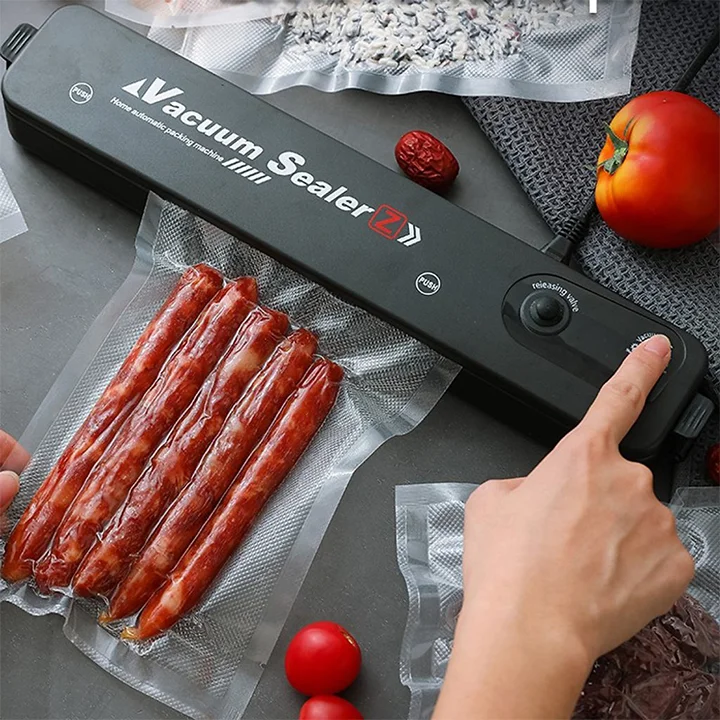
Why Use a Vacuum Sealer for Pet Food Anyway?
So, what’s the big deal? You might be thinking, “I just use a plastic clip on the bag, and it seems fine.” Let’s be real—that clip isn’t doing as much as you think. Oxygen is the primary enemy of freshness, and a simple clip leaves plenty of it in the bag to wreak havoc.
A vacuum sealer works by physically removing the air from a storage bag or canister before sealing it airtight. By eliminating oxygen, you dramatically slow down the processes that make food go bad. Here are the core benefits for your pet’s food:
- Maximum Freshness and Flavor: Oxygen causes the fats and oils in kibble to oxidize, leading to a rancid, stale taste. By removing the air, a vacuum sealer locks in that “just-opened-the-bag” freshness and aroma that your pets love.
- Save Money by Buying in Bulk: Those giant 40-pound bags of pet food offer incredible value, but only if you use them before they go bad. A vacuum sealer empowers you to buy in bulk with confidence, portioning out the food into smaller, sealed bags that will stay fresh for months.
- Pest-Proof Protection: Pantry moths and other pests are a nightmare. They can easily get into rolled-up or clipped bags. A properly vacuum-sealed bag is an impenetrable fortress, keeping your pet’s food safe and uncontaminated.
- Preserve Nutritional Value: Vitamins and minerals can degrade over time when exposed to air and light. Vacuum sealing helps protect the nutritional integrity of the food, ensuring your pet gets all the goodness they’re supposed to.
“Many pet owners don’t realize how quickly the nutritional quality of kibble can decline after the bag is opened,” notes Dr. Eleanor Vance, a food preservation specialist. “Vacuum sealing is one of the most effective home methods to combat this degradation, essentially pausing the clock on staleness.”
How to Choose the Best Vacuum Sealer for Pet Food Storage
Not all vacuum sealers are created equal, especially when it comes to the specific needs of pet owners. Here’s what you should look for to find the perfect match.
Edge Sealers vs. Chamber Vacuums
|
Our Picks for the Best Food Vacuum Cealer in 2026
As an Amazon Associate, we earn from qualifying purchases.
|
||
| Num | Product | Action |
|---|---|---|
| 1 | Anova Culinary Precision Vacuum Sealer Pro, Includes Large Bag Roll (19ft), Wet & Dry Dual Food Vacuum Sealer Machine for Sous Vide and Long-Term Storage, 2-Year Warranty |

|
| 2 | Vacuum Sealer Machine Powerful 90Kpa Precision 6-in-1 Compact Food Preservation System with Cutter, 2 Bag Rolls & 5 Pre-cut Bags, Widened 12mm Sealing Strip, Dry&Moist Modes (Silver) |
|
| 3 | NutriChef Automatic Vacuum Air Sealing System for Food Preservation with Starter Kit, Compact Design, Lab Tested, Dry & Moist Food Modes with Led Indicator Lights, Black |
|
| 4 | FoodSaver Compact Vacuum Sealer Machine with Airtight Bags and Roll - Ideal for Sous Vide and Airtight Food Storage, White |
|
| 5 | FoodSaver V4400 2-in-1 Vacuum Sealer Machine with Automatic Vacuum Sealer Bag Detection and Starter Kit |
|
| 6 | Nesco Deluxe Food VS-12 Vacuum Sealer, 130 Watts, Kit Bags & Viewing Lid, Compact, Silver |
|
| 7 | SEATAO VH5188 Automatic Vacuum Sealer Machine, 90kPa Multifunction Commercial Vacuum Food Sealer For Food Preservation, Dry & Moist & Food & Extended Modes, LED lights, Double Seal |
|
| 8 | FoodSaver Vacuum Sealer Machine, Automatic Bag Detection, Sous Vide Friendly, with sealer bags, roll, handheld vacuum sealer, black |
|
| 9 | Vakumar Liquid Vacuum Sealer Machine, 90Kpa Vacuum Sealer Machine Preservation Dry/Moist/Liquid Modes, LED Indicator Light, Handle Locked Design, Built-in Cutter and Bag Storage, Removable Drip Tray |
|
| 10 | Chef Preserve Compact Vacuum Sealer for Food (Vacuum Sealer Machine + 30 Reusable Vacuum Bags) Powerful Handheld Vacuum Sealer Machine, Seal Meal Saver, Portable Food Sealer |
|
For home use, you’ll primarily be looking at edge sealers (also called external or suction sealers). These are the common countertop models where you place the open end of a bag into the machine’s channel. They’re affordable, compact, and perfect for tasks like sealing kibble. Chamber vacuums are commercial-grade, expensive, and bulky. For storing pet food, an edge sealer is all you need.
Must-Have Features for Pet Owners
When you’re shopping for a vacuum sealer for pet food storage, keep an eye out for these key features:
- Accessory Port and Hose: This is non-negotiable for pet owners. An accessory port allows you to use a hose to remove air from special vacuum-sealing canisters. This is ideal for daily kibble storage, as you can scoop out food and reseal the canister in seconds.
- Wide Sealing Strip: A wider seal provides a more secure, durable closure. This is especially important for bags of kibble, where sharp edges could potentially compromise a weaker seal.
- Bag Compatibility: Ensure the machine can handle the bag sizes you plan to use. Most machines accommodate 8-inch and 11-inch wide rolls, which is plenty for portioning out pet food.
- Moist Food Setting: If you plan on sealing wet, fresh, or raw pet food, a “moist” setting is crucial. It uses a gentler vacuum and adjusts the heat seal to work with a bit of moisture, preventing messes and ensuring a strong seal.
Your Step-by-Step Guide to Vacuum Sealing Pet Food
Ready to get started? It’s incredibly simple. Let’s break down the process for both dry and wet food.
How to Vacuum Seal Dry Kibble
This is the most common use for pet owners. You have two main strategies: long-term storage and daily-use storage.
For Long-Term Storage (Using Bags):
- Create Your Bag: Cut a piece from your vacuum sealer roll that’s long enough to hold the desired portion of kibble, plus about 4 extra inches of headspace.
- Seal One End: Place one of the open ends into the vacuum sealer and press the “Seal” button to create the bottom of your bag.
- Fill the Bag: Fill the bag with dry kibble. Pro Tip: Avoid overfilling! Too much food makes it difficult for the machine to get a good grip and create a flat, clean seal.
- Position and Seal: Place the open end of the filled bag into the machine’s vacuum channel, making sure it’s flat and free of crumbs.
- Vacuum and Seal: Close the lid, lock it, and press the “Vacuum & Seal” button. The machine will suck out all the air and then automatically heat-seal the bag.
- Label and Store: Use a permanent marker to label the bag with the date and type of food. Store it in a cool, dark place like a pantry or closet.
For Daily Use (Using a Canister):
- Fill the Canister: Pour your kibble into a vacuum-sealable canister. Leave about an inch of space at the top.
- Attach the Hose: Place the lid on the canister. Plug one end of your accessory hose into the port on your vacuum sealer and the other end onto the valve on the canister lid.
- Activate the Vacuum: Press the “Accessory” or “Canister” button on your machine. It will remove the air from the canister and then stop.
- Remove and Store: Simply remove the hose. The canister is now sealed and ready for your countertop or pantry. To open, just press the button on the lid to release the vacuum.
How to Vacuum Seal Wet or Raw Pet Food
Sealing wet food requires one simple but crucial extra step to prevent liquid from being sucked into your machine.
- Portion and Pre-Freeze: Portion the wet or raw food onto a parchment-lined baking sheet. Place it in the freezer for 1-2 hours, or until it’s solid. This is the key!
- Bag It: Place the frozen portions into a vacuum sealer bag.
- Vacuum and Seal: Because the food is frozen, you can now vacuum and seal it just like you would with dry kibble, without any mess. If you’re concerned about moisture, you can place a folded paper towel inside the bag, just below where the seal will be, to catch any stray liquid.
- Label and Freeze: Label the bag and return it to the freezer for long-term storage.
Pro Tips for Perfect Pet Food Storage
After years of using a vacuum sealer for pet food storage, I’ve picked up a few tricks that make a world of difference.
- Double Seal It: For bags containing kibble with sharp edges, it never hurts to create a second seal just above the first one. This provides an extra layer of insurance against tiny punctures.
- Use Oxygen Absorbers: For ultra-long-term storage (6+ months), consider tossing a small, food-safe oxygen absorber packet into the bag with the kibble before sealing. This will scavenge that last tiny bit of residual oxygen.
- Keep the Seal Area Clean: Any crumbs, grease, or moisture in the seal area can prevent the bag from closing properly. Always wipe the inside of the bag’s opening before sealing.
- Don’t Toss the Original Bag: Snap a picture of the barcode, expiration date, and nutritional information from the original bag before you discard it. This is crucial information in case of a product recall.
Frequently Asked Questions
Can I just reseal the original pet food bag?
No. The material of most pet food bags is not designed to be heat-sealed by a home vacuum sealer. You must transfer the food into special vacuum sealer bags or canisters made for this purpose.
How long does vacuum-sealed pet food last?
Properly vacuum-sealed dry kibble can stay fresh in a cool, dark pantry for up to 1-2 years, compared to just 1-2 months in an open bag. Frozen wet food can last for over a year without developing freezer burn.
Does vacuum sealing destroy the nutrients in pet food?
Quite the opposite! By removing oxygen, you are protecting sensitive vitamins and fats from oxidation and degradation. It’s one of the best ways to preserve the food’s nutritional profile.
Is it worth getting a vacuum sealer just for pet food?
While it’s worth it for pet food alone (especially if you buy in bulk), you’ll quickly find dozens of other uses for it in your kitchen. From marinating meats in minutes to preserving leftovers and batch-prepping meals, it will become an indispensable tool.
What about storing treats?
Absolutely! A vacuum sealer for pet food storage works perfectly for jerky, dental chews, and other treats, keeping them from becoming hard and stale.
The Final Word on Freshness
Switching to a vacuum sealer for pet food storage is more than just a fancy way to store kibble. It’s a commitment to providing your pet with the freshest, tastiest, and most nutritious food possible. It’s an investment that pays for itself by allowing you to buy in bulk, eliminate waste from stale food, and keep pests out of your pantry. Your pet will thank you with every enthusiastic, crunchy bite.
Frequently Asked Questions
Can I use a vacuum sealer on the original pet food bag?
No, most original pet food bags are not made from materials compatible with home vacuum sealers. For effective sealing, you must transfer the pet food into specialized vacuum sealer bags or canisters designed for this purpose.
How long does pet food remain fresh when vacuum-sealed?
Properly vacuum-sealed dry kibble can stay fresh for up to 1-2 years in a cool, dark pantry, significantly longer than the 1-2 months in an open bag. Frozen wet pet food can last over a year without developing freezer burn.
Does vacuum sealing negatively impact the nutritional value of pet food?
On the contrary, vacuum sealing helps protect the nutritional integrity of pet food. By removing oxygen, it prevents the oxidation and degradation of sensitive vitamins and fats, thereby preserving the food's nutritional profile.
Is a vacuum sealer a worthwhile investment solely for pet food?
Yes, a vacuum sealer is a worthwhile investment for pet food alone, especially if you purchase in bulk. Beyond pet food, it offers numerous other kitchen uses, such as preserving leftovers and batch-prepping meals, making it a versatile tool.
Can I vacuum seal pet treats like jerky or dental chews?
Absolutely. A vacuum sealer is excellent for preserving pet treats such as jerky, dental chews, and other snacks. It keeps them from becoming hard, stale, or losing their flavor and texture over time.
Get our weekly buyer guide
Practical specs, not advice. Unsubscribe anytime.
I got a vacuum sealer specifically for my cat’s wet food, which I portion out. While it definitely keeps it fresher than just using plastic wrap, I find the bags can be a bit fiddly to seal perfectly sometimes, especially with the moisture. It’s good, but not quite as effortless as I hoped. Still, no more dried-out edges on the pate, which is a plus.
I’ve been using a vacuum sealer for my dog’s kibble for about six months now, and it’s a game-changer. We used to throw out so much stale food, especially with the larger bags. Now, even after a few weeks, the kibble smells and looks fresh, just like when I first opened the bag. It really does save money in the long run because I can buy in bulk without worrying about spoilage.
I was skeptical about how much difference a vacuum sealer would make for pet food, but I’m a convert! My parrot’s seed mix stays so much fresher now, and he seems to enjoy it more. Before, the seeds would get a bit musty after a while, even in an airtight container. This completely eliminates that issue by removing the oxygen.
This is a lifesaver for protecting against pests! We had a minor pantry moth issue last year, and ever since I started vacuum sealing all our pet food, it hasn’t been a problem. It’s such a relief knowing that the food is completely sealed off and safe. I also appreciate how it maintains the nutritional value for my senior dog’s special diet.