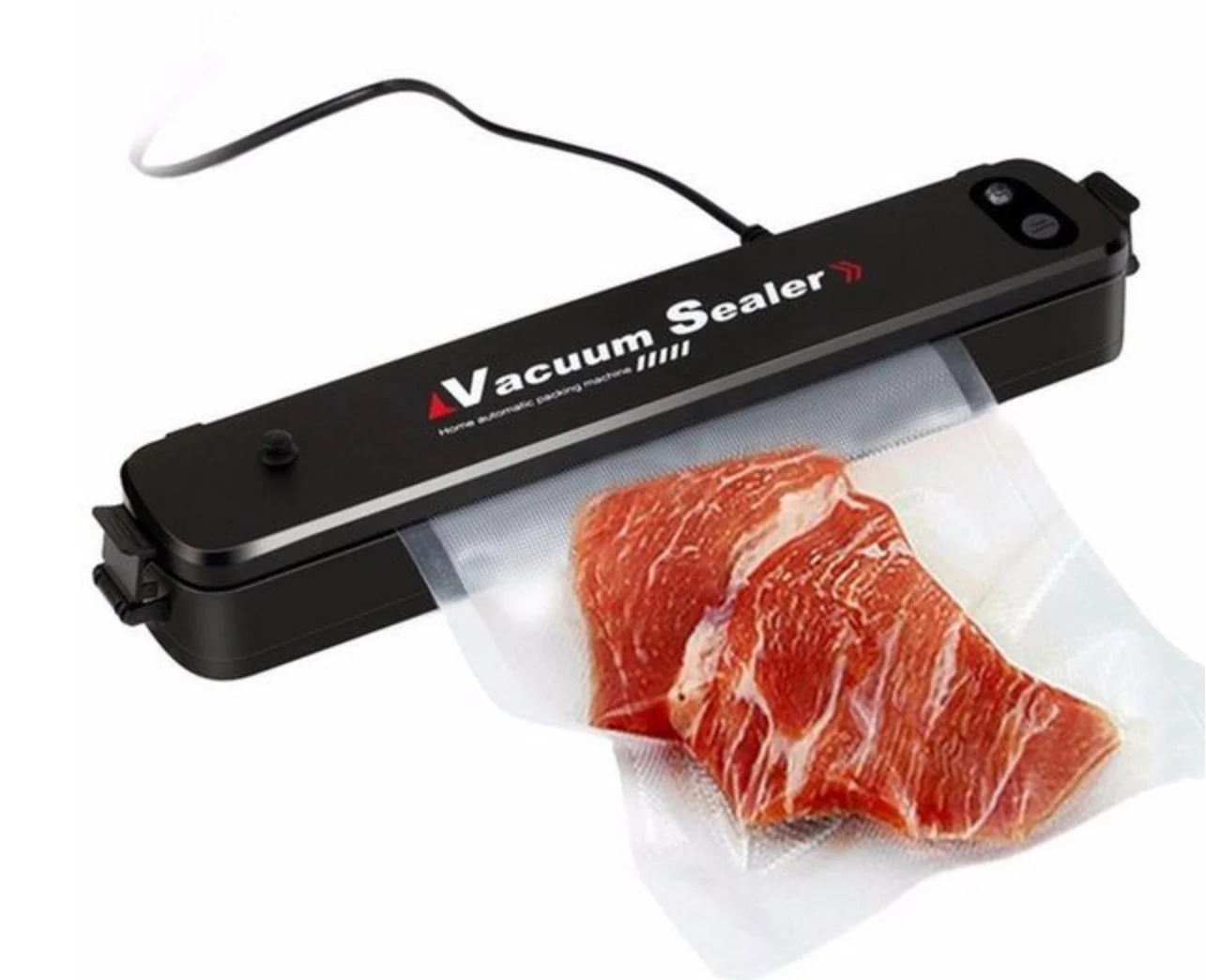
Replacing a vacuum sealer gasket is a simple, affordable fix that can restore your machine’s suction power and ensure proper food preservation. A failing gasket is the primary reason a vacuum sealer loses its ability to create an airtight seal, leading to weak or incomplete vacuums. This common maintenance task typically takes less than five minutes and can significantly extend the life of your appliance.
Why Your Vacuum Sealer Gasket is a Big Deal
Think of the gasket as the weatherstripping around a car door. It’s a rubber or foam seal that creates an airtight chamber when you close the lid of your vacuum sealer. This perfect seal allows the vacuum pump to effectively remove all air from the bag before the heat strip creates the final seal. For shop curated vacuum sealers on this site.
When this gasket is old, cracked, compressed, or dirty, it cannot create that necessary airtight environment. Air leaks in, and the pump has to work overtime, often failing to achieve a full vacuum.
“I always tell home cooks that the gasket is the heart of the vacuum sealer’s performance. A compromised gasket means a compromised seal, which defeats the entire purpose of long-term food preservation.” – Chef Maria Rodriguez, Food Preservation Specialist
A healthy gasket ensures:
- Maximum Suction: All the air is removed for optimal food preservation.
- Perfect Seals: The bag is properly positioned for a strong, reliable seal every time.
- Longer Machine Life: The vacuum pump doesn’t have to overwork itself to compensate for air leaks.
- Food Safety: Preventing air from re-entering the bag is crucial for inhibiting the growth of bacteria and mold.
Telltale Signs You Need a New Gasket
Not sure if your gasket is the problem? Your machine will usually give you a few clear hints. If you’re experiencing any of the following, it’s probably time for a replacement.
- Weak or Incomplete Vacuum: The machine runs, but it just doesn’t seem to be pulling all the air out of the bag like it used to.
- The Sealer Fails to Start the Sealing Process: Many machines have sensors that won’t initiate the heat seal until a proper vacuum is detected. If it never gets there, it will never seal.
- Visible Wear and Tear: Take a close look at the gaskets (most models have two, one on the top and one on the bottom). Are they cracked, brittle, or permanently flattened? Do they have nicks or tears?
- The Gasket is Loose or Falls Out: Over time, the gasket can lose its shape and no longer fit snugly in its channel.
- You Can Hear Air Hissing: During the vacuum cycle, listen closely. A faint hissing sound is a dead giveaway that air is leaking past the gasket.
Finding the Right Replacement Gasket for Your Sealer
Before you can perform the replacement, you need the right part. This isn’t a one-size-fits-all situation. Using the wrong gasket will be just as ineffective as using a worn-out one.
How to Identify Your Gasket
- Check Your Manual: Your vacuum sealer’s user manual is the best place to start. It will list the specific part number for your replacement gaskets.
- Look on the Machine: Most appliances have a sticker or plate on the bottom or back with the brand and exact model number. A quick online search for “[Your Model Number] replacement gasket” will usually yield the results you need.
- Measure the Old Gasket: If all else fails, you can carefully remove the old gasket and measure its length and thickness. This is a last resort, but it can help you find a compatible third-party option if the original (OEM) part is unavailable.
Popular brands like FoodSaver, Nesco, and Weston typically have replacement parts readily available on their websites or through major online retailers. While you might find cheaper third-party options, we generally recommend sticking with the manufacturer’s official parts to guarantee a perfect fit and material quality. It’s a small investment to ensure your machine works as intended.
How to Replace Vacuum Sealer Gasket: A Step-by-Step Guide
Alright, you’ve identified the problem and you have your new gasket in hand. Let’s get to the main event. The process is surprisingly simple and usually takes less than five minutes.
- Safety First: Unplug Your Machine! This should always be your first step before performing any maintenance on an electronic appliance. No exceptions.
- Locate and Remove the Old Gaskets: Open the lid of your vacuum sealer. You’ll see one or two foam or rubber gaskets sitting inside a recessed channel around the vacuum chamber. Using your fingernail or a small, non-sharp tool (like a plastic pry tool or the edge of a credit card), gently pry up one end of the gasket and pull it out of the channel. It’s usually just pressure-fit, so it should come out easily. Repeat for the second gasket if your model has one.
- Clean the Gasket Channel Thoroughly: This is a crucial step that many people skip! Over time, food particles, moisture, and dust can accumulate in the channel where the gasket sits. This debris can prevent the new gasket from seating properly. Use a damp cloth or a cotton swab with a little rubbing alcohol to clean the channel completely. Make sure it’s fully dry before proceeding.
- Install the New Gasket: Take your new gasket and start at one corner of the channel. Gently press the gasket down into the groove, working your way around the entire perimeter. Make sure it’s seated evenly and lies flat without any bumps or twists. The ends should meet snugly. Don’t stretch the gasket to make it fit; it should be the exact right size.
- Test Your Work: Close and lock the lid of your vacuum sealer. It might feel a bit tighter than before, which is a good sign! Plug the machine back in, grab a vacuum sealer bag, and run a test cycle. You should immediately notice a stronger, faster vacuum and a perfect seal.
And that’s it! You’ve successfully learned how to replace vacuum sealer gasket and restored your machine to its former glory.
Pro Tips for a Longer-Lasting Gasket Seal
Now that you have a fresh gasket, you’ll want to keep it in top shape for as long as possible. A little preventative maintenance goes a long way.
- Wipe it Down: After each use, especially if you’re sealing moist foods, give the gaskets a quick wipe with a damp cloth to remove any residue.
- Avoid Overfilling Bags: Leaving at least three inches of headspace in your bags prevents liquids from being pulled up into the gasket area. Check out our guide on [how to properly use a vacuum sealer] for more tips.
- Store with the Lid Unlatched: This is a big one. Storing your vacuum sealer with the lid clamped shut keeps the gaskets compressed, causing them to wear out and flatten much faster. Always store it with the lid unlatched to let the gaskets rest in their natural state.
- Don’t Use Sharp Objects: Never use knives or other sharp tools to clean around the gasket area. A small nick can compromise the entire seal.
What if Replacing the Gasket Doesn’t Fix the Problem?
In 90% of cases involving poor suction, a worn-out gasket is the culprit. But what if you’ve replaced it and the issue persists? Don’t panic. Here are a few other things to check:
- The Bag Itself: Are you using the correct type of vacuum sealer bags? Standard plastic bags won’t work. You need special bags with textured channels that allow air to be removed.
- Bag Placement: Ensure the open end of the bag is positioned correctly within the vacuum chamber, not extending past the gasket.
- The Heat Strip: Check the Teflon tape over the heating element. If it’s worn or burned through, it can cause sealing issues.
- A Clog: In rare cases, the vacuum port itself can become clogged with debris. Check your manual for instructions on how to inspect and clean it.
If you’ve tried all of these and are still having trouble, it might be time to look into our [comprehensive vacuum sealer troubleshooting guide].
Frequently Asked Questions (FAQ)
Q: How often should I replace my vacuum sealer gasket?
A: This depends on usage. For average home use, replacing the gaskets every 1-2 years is a good rule of thumb. If you use your sealer heavily, you may need to replace them annually. A simple visual inspection for wear is your best guide.
Q: Can I just flip my old gasket over?
A: While this might work as a very temporary fix for some flat-style gaskets, it’s not a long-term solution. The material has likely become compressed and brittle, and flipping it won’t restore its original sealing properties for long.
Q: Are vacuum sealer gaskets universal?
A: No, they are not. Gaskets are specifically designed for the size and shape of the channel in a particular make and model. Using a gasket that is even slightly too thick or thin will result in a poor seal.
Q: Where is the best place to buy a replacement gasket?
A: The manufacturer’s official website is the most reliable source. Major online retailers like Amazon also carry official and third-party parts. Always double-check that the part number is compatible with your specific model number.
Q: My gasket seems fine, but my machine still won’t seal properly. What else could it be?
A: The most common issue after the gasket is the heat sealing strip. Check the thin, fabric-like Teflon tape covering the heating element. If it’s damaged or has food residue fused to it, it can prevent a clean seal. These strips are also replaceable parts.
A Simple Fix for a Powerful Machine
Keeping your vacuum sealer in peak condition doesn’t require a degree in engineering. By understanding the critical role of the gasket and knowing how to replace vacuum sealer gasket components, you’re empowered to perform the most important piece of maintenance yourself. It’s a quick, easy, and inexpensive fix that extends the life of your machine, ensures your food stays fresh for longer, and saves you from the unnecessary cost of a brand-new unit. So next time your sealer seems a little tired, check the gasket first—you might be surprised at what a difference that little rubber ring can make.
Frequently Asked Questions
How often should I replace my vacuum sealer gasket?
For average home use, replacing vacuum sealer gaskets every 1-2 years is a good general guideline. Heavy users might need to replace them annually. A visual inspection for cracks, brittleness, or flattening is the best indicator of when a replacement is needed.
Can I temporarily fix a worn gasket by flipping it over?
While flipping an old gasket might offer a very temporary fix for some flat-style gaskets, it is not a long-term solution. The material is likely compressed and brittle, meaning flipping it will not restore its original sealing properties for an extended period.
Are replacement gaskets for vacuum sealers universal across all brands?
No, vacuum sealer gaskets are not universal. They are specifically designed to fit the unique size and shape of the channel in a particular make and model. Using a gasket that is even slightly too thick or thin will result in a poor or ineffective seal.
What is the best place to purchase a new vacuum sealer gasket?
The manufacturer's official website is generally the most reliable source for purchasing a new vacuum sealer gasket. Major online retailers like Amazon also carry official and compatible third-party parts. Always verify the part number matches your specific model.
If the gasket is fine, what else could cause poor sealing in my machine?
If your gasket appears fine but the machine still won't seal properly, the most common alternative issue is a damaged heat sealing strip. Inspect the thin, fabric-like Teflon tape covering the heating element for wear, damage, or fused food residue, as these can prevent a clean seal.
Replace a Vacuum Sealer Gasket
Restore your vacuum sealer's performance by replacing a worn gasket. This simple procedure takes less than five minutes and ensures optimal food preservation.
Always begin by unplugging your vacuum sealer from the power outlet. This crucial safety step prevents accidental activation or electrical hazards during maintenance.
Open the sealer lid and locate the foam or rubber gaskets in their recessed channels. Gently pry up one end of each gasket with a fingernail or a non-sharp tool, then pull it out. They are typically pressure-fit and should remove easily.
Thoroughly clean the gasket channel to remove any accumulated food particles, moisture, or dust. Use a damp cloth or a cotton swab with rubbing alcohol, ensuring the channel is completely dry before installing the new gasket.
Starting at one corner, gently press the new gasket into the groove, working your way around the perimeter. Ensure it is seated evenly, lies flat without twists, and the ends meet snugly. Do not stretch the gasket.
Close and lock the lid, then plug the machine back in. Run a test cycle with a vacuum sealer bag. You should observe a stronger, faster vacuum and a perfect seal, indicating successful gasket replacement.
Get our weekly buyer guide
Practical specs, not advice. Unsubscribe anytime.
My vacuum sealer started having really weak suction, and I was getting frustrated with my freezer burn. I cleaned the gasket a few times, but it didn’t help much. Replacing it was super easy, just like it said, and now it’s pulling a strong vacuum again. Wish I’d known about this simple fix sooner instead of struggling with half-sealed bags for months.
This was such a lifesaver! My vacuum sealer was leaving air pockets in my bags, especially with softer items like bread. I thought I’d have to toss the whole unit. Turns out, my gasket was just compressed and needed replacing. Five minutes later, and my machine is back to creating perfect, airtight seals every time. Highly recommend checking your gasket before buying a new machine.
The instructions were clear, and replacing the gasket on my Weston sealer was straightforward. It definitely improved the seal, but I still feel like it’s not quite as powerful as when it was brand new. Maybe my pump is just getting old, or I need to try a different brand of gasket. Still, it’s better than it was, and my bulk chicken is sealing better.
I was about to buy a whole new FoodSaver because it just wasn’t sealing right anymore, and I thought it was totally broken. Stumbled on this and realized it was probably just the gasket. Ordered a replacement, followed the steps, and now my machine works like new! Saved me a ton of money and my frozen meats are finally getting that tight seal again.