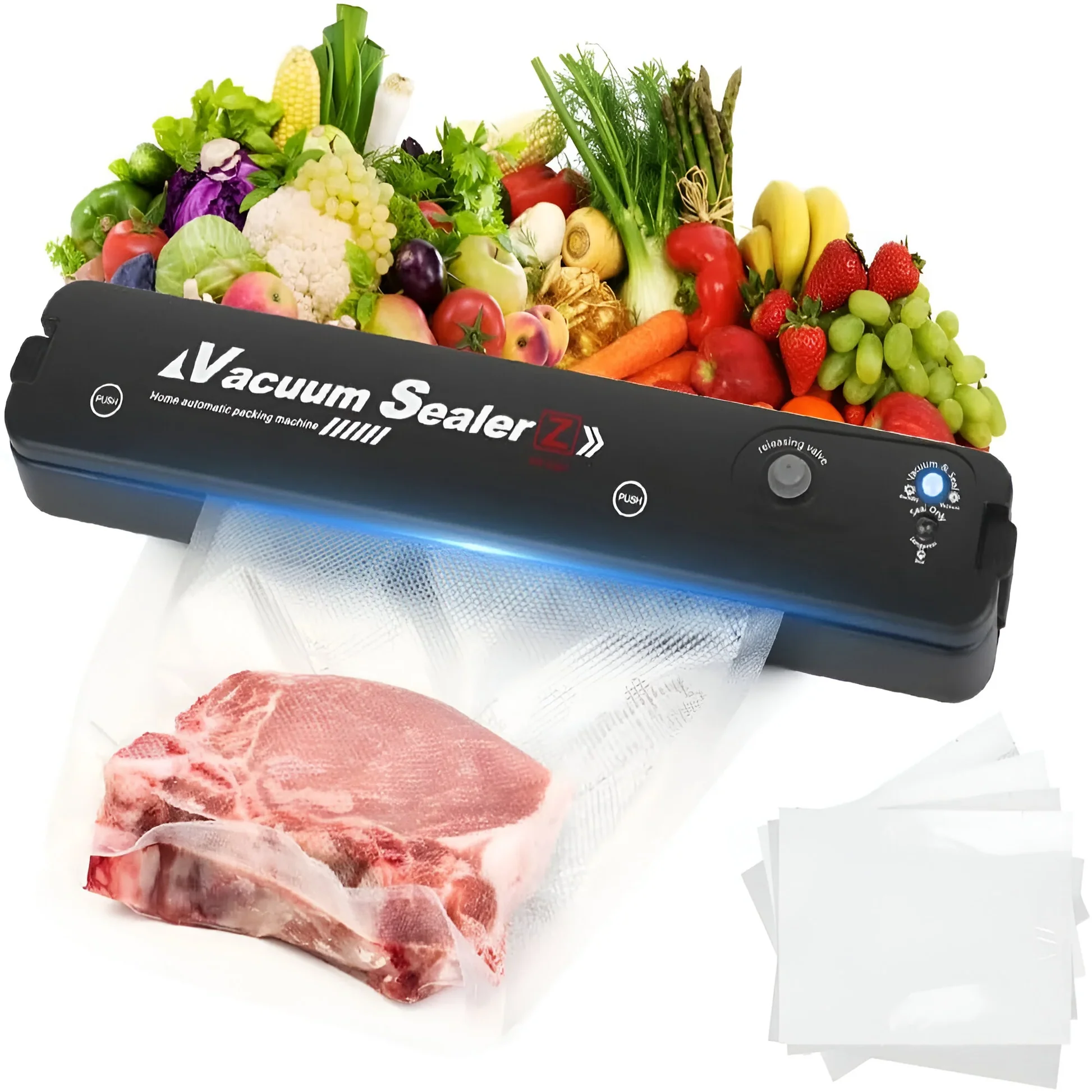
Freezer burn, the primary cause of meat degradation in freezers, can be effectively prevented by learning how to vacuum seal meat for freezer storage. This method extends the shelf life of meat by 3-5 times compared to traditional storage, preserving its quality, flavor, and nutritional value for up to 2-3 years by removing oxygen and preventing dehydration.
Why Is Vacuum Sealing Meat a Game-Changer?
Before we dive into the “how,” let’s talk about the “why.” Understanding the benefits will make you a true believer. When you simply toss a steak in a zip-top bag, you’re trapping it in there with its greatest enemy: oxygen.
Expert Insight from Dr. Eleanor Vance, Food Scientist:
“Freezer burn is essentially dehydration. Oxygen oxidizes the fats and degrades the proteins in meat, while ice crystals draw moisture from the surface. By removing nearly all the air, a vacuum sealer creates an anaerobic environment that dramatically slows down these destructive processes, preserving the meat’s texture, flavor, and nutritional value for an incredibly long time.”
Here’s what that means for you in the real world:
- Goodbye, Freezer Burn: This is the big one. By removing the air, you eliminate the cause of freezer burn. Your meat stays vibrant, juicy, and delicious.
- Massively Extended Shelf Life: We’re not talking about a few extra weeks. Properly vacuum-sealed meat can last 3-5 times longer in the freezer than meat stored in traditional bags or butcher paper. A steak that might get icy in 6 months can easily last 2-3 years.
- Lock in Flavor and Juices: The vacuum-sealing process locks in the meat’s natural moisture and flavor. When you finally thaw and cook it, it tastes remarkably fresh, not like it’s been in frozen hibernation.
- Save Big Money: Buying in bulk from a butcher or warehouse club is one of the best ways to save on groceries. A vacuum sealer makes this practical. You can portion out family packs of chicken breasts or ground beef without worrying about it going bad.
- Supercharge Your Marinades: Want to infuse flavor fast? Marinate your meat, then vacuum seal it. The vacuum pressure opens up the pores of the meat, allowing the marinade to penetrate deeper and faster. You can get hours of flavor infusion in just 30 minutes.
What Are the Main Types of Vacuum Sealers?
You generally have two main options, and the one you choose depends on your budget and how often you’ll be using it.
Edge (or Suction) Sealers
|
Our Picks for the Best Food Vacuum Cealer in 2026
As an Amazon Associate, we earn from qualifying purchases.
|
||
| Num | Product | Action |
|---|---|---|
| 1 | FoodSaver Compact Vacuum Sealer Machine with Airtight Bags and Roll - Ideal for Sous Vide and Airtight Food Storage, White |

|
| 2 | Nesco Deluxe Food VS-12 Vacuum Sealer, 130 Watts, Kit Bags & Viewing Lid, Compact, Silver |
|
| 3 | Anova Culinary Precision Vacuum Sealer Pro, Includes Large Bag Roll (19ft), Wet & Dry Dual Food Vacuum Sealer Machine for Sous Vide and Long-Term Storage, 2-Year Warranty |
|
| 4 | Chef Preserve Compact Vacuum Sealer for Food (Vacuum Sealer Machine + 30 Reusable Vacuum Bags) Powerful Handheld Vacuum Sealer Machine, Seal Meal Saver, Portable Food Sealer |
|
| 5 | NutriChef Automatic Vacuum Air Sealing System for Food Preservation with Starter Kit, Compact Design, Lab Tested, Dry & Moist Food Modes with Led Indicator Lights, Black |
|
| 6 | Vacuum Sealer Machine Powerful 90Kpa Precision 6-in-1 Compact Food Preservation System with Cutter, 2 Bag Rolls & 5 Pre-cut Bags, Widened 12mm Sealing Strip, Dry&Moist Modes (Silver) |
|
| 7 | SEATAO VH5188 Automatic Vacuum Sealer Machine, 90kPa Multifunction Commercial Vacuum Food Sealer For Food Preservation, Dry & Moist & Food & Extended Modes, LED lights, Double Seal |
|
| 8 | Vakumar Liquid Vacuum Sealer Machine, 90Kpa Vacuum Sealer Machine Preservation Dry/Moist/Liquid Modes, LED Indicator Light, Handle Locked Design, Built-in Cutter and Bag Storage, Removable Drip Tray |
|
| 9 | FoodSaver Vacuum Sealer Machine, Automatic Bag Detection, Sous Vide Friendly, with sealer bags, roll, handheld vacuum sealer, black |
|
| 10 | FoodSaver V4400 2-in-1 Vacuum Sealer Machine with Automatic Vacuum Sealer Bag Detection and Starter Kit |
|
These are the most common type for home use. You place the open end of a specially designed textured bag into the machine’s trough, close the lid, and it sucks the air out before heat-sealing the edge. They’re affordable, compact, and perfect for most households.
Chamber Sealers
These are the heavy-duty, professional-grade machines. You place the entire bag inside a chamber, and the machine removes the air from the whole chamber before sealing the bag. This method is fantastic for sealing liquids like soups and stews without making a mess, but they are larger and more expensive. For the purpose of learning how to vacuum seal meat for freezer, an edge sealer is more than sufficient.
How to Vacuum Seal Meat for Freezer: A Step-by-Step Guide
Alright, let’s get down to business. You’ve got your meat, you’ve got your sealer. Follow these steps for a perfect, rock-solid seal every time.
- Preparation is Everything: Start with high-quality, fresh meat. If you’re portioning from a large package, work on a clean surface with clean hands. Portion the meat into the sizes your family will use for one meal. A 2-pound pack of ground beef might become four half-pound portions.
- Pat It Dry: This is a crucial, often-skipped step. Use paper towels to pat the surface of the meat completely dry. Excess moisture can get pulled toward the seal area and prevent the bag from sealing properly.
- The Flash Freeze (Your Secret Weapon): For best results, especially with soft or delicate cuts like fish fillets or burgers, pre-freeze the meat. Place the individual portions on a baking sheet lined with parchment paper and put them in the freezer for 1-2 hours, until they are firm to the touch. This step accomplishes two things:
- It prevents the vacuum from squishing or misshaping the meat.
- It freezes the surface juices, ensuring a clean, dry area for a perfect heat seal.
- Choose the Right Bag: Use high-quality vacuum sealer bags designed for your machine. Cut a piece from a roll that’s long enough to hold the meat plus at least 4-5 inches of extra headspace. This gives the sealer enough room to work its magic.
- Place Meat in the Bag: Slide your firm, pre-frozen portion of meat into the bag. If you’re sealing meat with sharp bones (like a T-bone steak or bone-in pork chop), wrap the sharp edges with a small piece of folded paper towel or use special bone guards to prevent them from puncturing the bag.
- Seal It Up: Place the open end of the bag into the vacuum channel of your sealer, making sure it’s flat and wrinkle-free. Close the lid and start the vacuum and seal process according to your machine’s instructions. Watch as the air is powerfully sucked out and the bag tightens around the meat. The machine will then automatically apply heat to create a durable, airtight seal.
- Inspect the Seal: Once the cycle is complete, remove the bag and examine the seal. It should be clear, wide, and without any gaps or creases. If you’re unsure, it never hurts to add a second seal just above the first one for extra security.
- Label and Store: This is non-negotiable! Use a permanent marker to label the bag with the contents and the date it was sealed. For example: “Ribeye Steak – 10/26/2023.” This helps you rotate your stock and use the oldest items first. Then, lay the bags flat in your freezer until fully frozen. Once solid, you can stack them like books to save space.
Pro Tips for Perfect Meat Sealing
Want to take your skills from good to great? Here are a few tricks I’ve learned over the years.
- The Paper Towel Trick for Moist Meats: If you skip the pre-freeze step and are sealing very moist meat, fold a paper towel and place it inside the bag between the meat and where the seal will be. It will catch any excess moisture before it can interfere with the seal.
- Double Sealing is Your Friend: For long-term storage (a year or more) or for items going into a deep freeze, always use a double seal. It’s a tiny bit of extra effort for a lot of extra peace of mind.
- Don’t Overfill the Bag: That extra headspace we talked about is critical. If the bag is too full, it’s difficult for the machine to get a good grip and create a clean seal.
- Keep the Sealing Area Clean: After a few uses, wipe down the heat strip and gaskets on your machine with a damp cloth to remove any food residue that could compromise future seals.
What Foods Should (and Shouldn’t) Be Vacuum Sealed?
While our focus is on meat, a vacuum sealer is a versatile tool.
Excellent for Sealing:
- All types of meat: Beef, poultry, pork, lamb, game.
- Fish and seafood.
- Hard cheeses: Prevents mold and drying out.
- Cured meats: Pepperoni, salami, etc.
- Dry goods: Coffee beans, nuts, flour.
Seal with Caution (or Not at All):
- Cruciferous Vegetables (raw): Broccoli, cauliflower, cabbage, and Brussels sprouts emit gases that will cause the bag to expand. You must blanch them first.
- Soft Cheeses: Brie, ricotta, and other unripened cheeses don’t hold up well to the pressure.
- Whole Mushrooms (raw): They can ripen unevenly and decay faster. It’s better to cook them first.
- Garlic and Onions (raw): Like cruciferous veggies, they release gases and can create a risk of botulism in an anaerobic environment.
How Do I Choose the Right Vacuum Sealer?
Feeling ready to buy one? Think about these three things:
- Frequency of Use: If you’re sealing a few times a month, a reliable edge sealer is perfect. If you’re a hunter, angler, or dedicated bulk-buyer sealing dozens of bags a week, a chamber sealer might be a worthy investment.
- Features: Look for features like a built-in bag roll holder and cutter, a “moist” food setting, and an accessory port for sealing canisters.
- Budget: You can get a great entry-level sealer for under $100. High-end models with more features can range from $150 to $300, while chamber sealers are a significant step up from there.
Frequently Asked Questions
Q: How long does vacuum sealed meat last in the freezer?
A: Properly vacuum-sealed meat can last 2-3 years in the freezer without any loss of quality, compared to just 6-12 months for conventionally stored meat. Fish and ground meats have a slightly shorter shelf life, typically around 1-2 years.
Q: Can I reseal the original store packaging for meat?
A: No, you should never try to reseal the foam trays and plastic wrap from the grocery store. These materials are not designed for a durable, airtight seal and are not safe for vacuum sealing. Always transfer the meat to a proper vacuum sealer bag.
Q: Why did my vacuum seal fail or lose its seal in the freezer?
A: The most common reasons are moisture or a food particle in the seal area, a puncture from a sharp bone, or not leaving enough headspace in the bag. Always inspect your seal before freezing.
Q: Do I have to thaw meat before vacuum sealing?
A: No, you can absolutely vacuum seal already-frozen meat. This is a great way to repackage store-bought frozen goods into more durable, long-term storage bags.
Q: Is it safe to thaw vacuum-sealed meat in the microwave?
A: It’s not recommended. The best and safest way to thaw vacuum-sealed meat is in the refrigerator overnight. For a quicker method, you can submerge the sealed bag in a bowl of cold water, changing the water every 30 minutes.
Your Freezer’s New Best Friend
Mastering how to vacuum seal meat for freezer storage is more than just a kitchen hack; it’s a fundamental shift in how you buy, store, and preserve your food. You’ll reduce waste, save a significant amount of money, and enjoy food that tastes just as fresh as the day you bought it. So go ahead, take advantage of that sale on pork shoulders or stock up on chicken breasts. With your vacuum sealer at your side, freezer burn is officially a thing of the past.
Frequently Asked Questions
How long does vacuum sealed meat last in the freezer?
Properly vacuum-sealed meat can last 2-3 years in the freezer without any loss of quality. This is significantly longer than the 6-12 months for conventionally stored meat. Fish and ground meats typically have a slightly shorter shelf life, around 1-2 years.
Can I reseal the original store packaging for meat?
No, you should never attempt to reseal the foam trays and plastic wrap from the grocery store. These materials are not designed to create a durable, airtight seal suitable for vacuum sealing. Always transfer meat to proper vacuum sealer bags for safe and effective preservation.
Why did my vacuum seal fail or lose its seal in the freezer?
The most common reasons for a failed vacuum seal include moisture or a food particle in the seal area, a puncture from a sharp bone, or insufficient headspace in the bag. Always inspect your seal carefully before placing items in the freezer to ensure it is clear, wide, and free of gaps.
Do I have to thaw meat before vacuum sealing?
No, you can absolutely vacuum seal already-frozen meat. This method is excellent for repackaging store-bought frozen goods into more durable, long-term storage bags. For best results with fresh meat, a flash freeze for 1-2 hours is recommended to prevent squishing and ensure a clean seal.
Is it safe to thaw vacuum-sealed meat in the microwave?
Thawing vacuum-sealed meat in the microwave is not recommended. The safest and best way to thaw is in the refrigerator overnight. For a quicker method, you can submerge the sealed bag in a bowl of cold water, changing the water every 30 minutes until thawed.
Get our weekly buyer guide
Practical specs, not advice. Unsubscribe anytime.
I used to get so much freezer burn on my steaks, it was a real waste. After reading about how vacuum sealing prevents oxygen from getting to the meat, I finally invested in a sealer. It’s been a game-changer! My meat now lasts so much longer, and the quality is just like fresh when I thaw it out. Definitely worth it for anyone serious about food preservation.
I was skeptical about how much difference a vacuum sealer could make, but the explanation about oxygen oxidizing fats and degrading proteins really convinced me. I’ve been sealing everything from chicken breasts to pork chops, and the flavor and texture are noticeably better after months in the freezer. It’s amazing how it preserves the nutritional value too. Highly recommend!
I bought a mid-range vacuum sealer after hearing about how it can extend meat shelf life by 3-5 times. While it definitely helps with freezer burn, I’ve found that some cuts of meat still get a little bit of ice crystal formation if I don’t double-check the seal. It’s not as perfect as I hoped every single time, but it’s still better than just using zip-top bags. Maybe I need a more powerful model.
I’ve been trying to extend the shelf life of my bulk meat purchases, and this method really works. I appreciate the tip about how removing air stops dehydration and ice crystals. My only minor complaint is that sometimes the bags can be a bit tricky to line up perfectly in my specific brand of sealer, but once you get the hang of it, it’s fine. Still, my ground beef is lasting way past the usual few months.