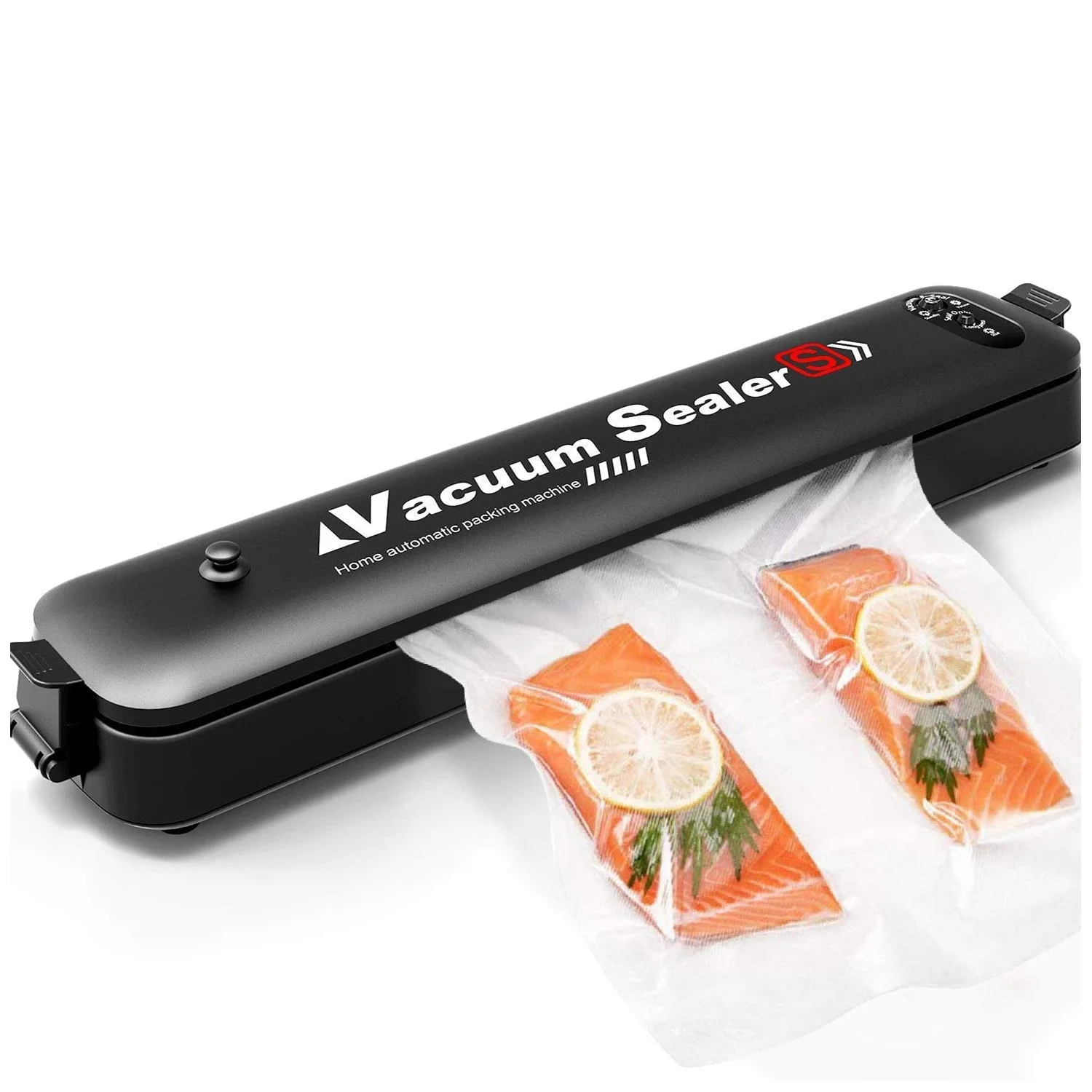
Using a food vacuum sealer involves a straightforward six-step process: preparing your food, correctly bagging it, positioning the bag in the sealer, locking the lid, initiating the vacuum and seal cycle, and finally, releasing and inspecting the seal. This method dramatically extends food shelf life by up to five times compared to traditional storage, preventing freezer burn and reducing food waste.
What’s the Magic? How a Vacuum Sealer Actually Works
Before we jump into the “how-to,” let’s quickly demystify the process. It’s simpler than you might think. A vacuum sealer does two main things: it sucks all the air out of a specialized plastic bag and then uses heat to create an airtight seal.
Why is removing air so important? Air is the enemy of fresh food. Oxygen allows for the growth of mold, mildew, and bacteria. It also leads to freezer burn—those nasty, icy crystals that ruin the texture and taste of your frozen meats and veggies.
By removing the air, you:
- Dramatically extend shelf life: Food can last up to 5 times longer than with traditional storage methods.
- Prevent freezer burn: Say goodbye to dry, tasteless frozen foods.
- Save money: Buy in bulk, save leftovers, and waste less.
- Marinate in minutes: The vacuum pressure opens up the pores of meat, allowing marinades to penetrate deeply in a fraction of the time.
- Level up your cooking: It’s an essential tool for sous vide cooking, ensuring perfect, evenly cooked results.
Know Your Machine: Common Types of Food Vacuum Sealers
Not all sealers are created equal. They generally fall into two categories, and knowing which one you have is key.
The Everyday Hero: External (or “Edge”) Sealers
This is the most common type you’ll find in home kitchens. You place the open end of the bag onto the machine’s “edge,” close the lid, and it vacuums the air out and seals the bag from the outside. They’re fantastic for solid and dry foods like steaks, cheese, coffee beans, and prepped vegetables.
The Professional’s Choice: Chamber Sealers
These are the heavy-duty powerhouses you see in professional kitchens. You place the entire bag inside a chamber. The machine then changes the atmospheric pressure both inside and outside the bag simultaneously, allowing it to remove air without sucking out liquids. This makes them the undisputed champion for sealing soups, stews, and marinades. They are bulkier and more of an investment, but a game-changer for serious home cooks.
How to Use a Food Vacuum Sealer Step by Step: The Ultimate Guide
Alright, it’s time for the main event. Grab your sealer, your bags, and let’s get to it. While every model has its quirks, this universal process will work for most external vacuum sealers on the market.
- Preparation is EverythingDon’t just throw your food in a bag and hope for the best. A little prep goes a long way.
- Portion Control: Divide food into meal-sized portions before sealing. It’s much easier to defrost one chicken breast than a 5-pound block.
- Pat Dry: For meats and fish, pat them thoroughly dry with a paper towel. Excess moisture can interfere with a strong seal.
- Pre-Freeze for Liquids & Soft Foods: This is the golden rule! If you’re sealing anything soft (like ground beef) or liquid-heavy (like soup or marinated chicken), spread it on a baking sheet and freeze it for 1-2 hours until solid. This prevents the machine from sucking up liquid and ruining the seal (and potentially the motor).
- Bag It Up CorrectlyUsing the right bag and size is crucial.
- Use a compatible bag: Only use bags specifically designed for vacuum sealing. They have special channels that allow air to be removed efficiently.
- Cut from the roll (if applicable): If you’re using a roll, cut a piece that’s long enough to hold your food plus an extra 3-4 inches (about 10 cm) of headspace. This extra space is essential for the machine to get a good grip and create a perfect seal.
- Place food in the bag: Gently place your prepared food into the bag, keeping the opening clean and dry.
- Position the Bag in the SealerThis is where many beginners make a mistake.
- Open the lid of your vacuum sealer.
- Carefully place the open end of the bag into the vacuum channel or drip tray, as indicated by your machine’s manual. Ensure the bag is flat and has no wrinkles in the sealing area.
- Lock and Load
- Close the lid firmly. Most machines will have latches on the side that you’ll need to press down until they click into place. This creates the airtight chamber needed for the vacuum process.
- The Main Event: Vacuum and Seal
- Press the “Vacuum & Seal” button (the name may vary slightly by brand). You’ll hear the motor start as it begins to pull the air from the bag. You’ll see the bag visibly shrink and tighten around the food.
- Once all the air is removed, the machine will automatically switch to the sealing function. A heat strip will activate, melting the layers of the bag together to create a strong, durable seal.
- Release and Inspect
- Once the sealing light turns off, the process is complete. Release the lid latches.
- Remove the bag and inspect the seal. It should be a clear, solid line across the width of the bag with no gaps, wrinkles, or moisture. If it looks incomplete, you can always add a second seal just above the first one for extra security.
As professional chef David Chen always says, “Your vacuum sealer is your best friend for locking in flavor and extending the life of your premium ingredients. A good seal is the difference between a perfectly preserved steak and a forgotten, freezer-burnt tragedy.”
Pro Tips and Tricks for Perfect Sealing Every Time
Ready to take your skills to the next level? Here are a few tricks I’ve learned over the years.
- The Double Seal: For long-term freezer storage or for sous vide cooking, always add a second seal about a quarter-inch away from the first. It’s a simple step that provides an extra layer of protection.
- The Paper Towel Barrier: Sealing something moist like a juicy burger patty? Fold a small paper towel and place it inside the bag between the food and the seal area. It will absorb any excess moisture before it reaches the sealing strip.
- Don’t Overfill: That 3-4 inches of headspace we talked about? It’s not a suggestion. Overfilling is the number one cause of failed seals.
- Label Everything: Your future self will thank you. Use a permanent marker to write the contents and the date on every bag before it goes into the freezer or pantry. For a deeper dive, check out our [guide on organizing your freezer with vacuum-sealed foods]().
|
Our Picks for the Best Food Vacuum Cealer in 2026
As an Amazon Associate, we earn from qualifying purchases.
|
||
| Num | Product | Action |
|---|---|---|
| 1 | Vakumar Liquid Vacuum Sealer Machine, 90Kpa Vacuum Sealer Machine Preservation Dry/Moist/Liquid Modes, LED Indicator Light, Handle Locked Design, Built-in Cutter and Bag Storage, Removable Drip Tray |

|
| 2 | Nesco Deluxe Food VS-12 Vacuum Sealer, 130 Watts, Kit Bags & Viewing Lid, Compact, Silver |
|
| 3 | Chef Preserve Compact Vacuum Sealer for Food (Vacuum Sealer Machine + 30 Reusable Vacuum Bags) Powerful Handheld Vacuum Sealer Machine, Seal Meal Saver, Portable Food Sealer |
|
| 4 | FoodSaver Vacuum Sealer Machine, Automatic Bag Detection, Sous Vide Friendly, with sealer bags, roll, handheld vacuum sealer, black |
|
| 5 | FoodSaver Compact Vacuum Sealer Machine with Airtight Bags and Roll - Ideal for Sous Vide and Airtight Food Storage, White |
|
| 6 | NutriChef Automatic Vacuum Air Sealing System for Food Preservation with Starter Kit, Compact Design, Lab Tested, Dry & Moist Food Modes with Led Indicator Lights, Black |
|
| 7 | Vacuum Sealer Machine Powerful 90Kpa Precision 6-in-1 Compact Food Preservation System with Cutter, 2 Bag Rolls & 5 Pre-cut Bags, Widened 12mm Sealing Strip, Dry&Moist Modes (Silver) |
|
| 8 | Anova Culinary Precision Vacuum Sealer Pro, Includes Large Bag Roll (19ft), Wet & Dry Dual Food Vacuum Sealer Machine for Sous Vide and Long-Term Storage, 2-Year Warranty |
|
| 9 | FoodSaver V4400 2-in-1 Vacuum Sealer Machine with Automatic Vacuum Sealer Bag Detection and Starter Kit |
|
| 10 | SEATAO VH5188 Automatic Vacuum Sealer Machine, 90kPa Multifunction Commercial Vacuum Food Sealer For Food Preservation, Dry & Moist & Food & Extended Modes, LED lights, Double Seal |
|
What Foods Can You Vacuum Seal? The Do’s and Don’ts
While you can seal most things, some foods require special care or should be avoided altogether.
| Great to Seal (The Do’s) | Seal with Caution (The “Don’ts”) |
|---|---|
| Meats & Poultry: Beef, chicken, pork, fish | Cruciferous Veggies: Broccoli, cauliflower, cabbage. They release gases and must be blanched first. |
| Hard Cheeses: Cheddar, Parmesan, Swiss | Soft Cheeses: Brie, ricotta, goat cheese. The vacuum can crush them and they spoil quickly. |
| Dry Goods: Coffee beans, nuts, pasta, flour, sugar | Soft Cheeses: Brie, ricotta, goat cheese. The vacuum can crush them and they spoil quickly. |
| Hard Fruits & Veggies: Apples, carrots, green beans | Fresh Onions & Garlic: They release potent gases that can cause the bag to expand and the food to spoil. |
| Baked Goods: Cookies, brownies, portions of bread | Hot Foods: Always let food cool to room temperature before sealing to prevent steam and bacterial growth. |
How Do I Choose the Right Vacuum Sealer for My Kitchen?
Choosing the right vacuum sealer depends on your usage, budget, and the types of food you’ll seal most often. For a quick answer, consider your primary needs: frequency of use, whether you need to seal liquids, and available counter space.
For most beginners and families who seal leftovers and bulk purchases, a reliable external sealer from a brand like FoodSaver or Nesco is a perfect starting point. If you’re a serious meal prepper, a hunter, or a sous vide enthusiast who frequently seals liquids, investing in a chamber vacuum sealer might be worth considering. Look for features like a built-in bag cutter, moist/dry food settings, and an accessory port for sealing canisters. For a full breakdown, explore [our comprehensive guide to the best vacuum sealers of the year]().
Frequently Asked Questions
Why isn’t my vacuum sealer pulling a strong vacuum?
This is often due to an incorrect bag placement. Make sure the open end of the bag is fully inside the vacuum channel and lying flat without any wrinkles. Also, check that the lid is securely latched on both sides.
Can you reuse vacuum sealer bags?
Yes, but only under certain conditions. If the bag previously held dry goods like nuts or coffee beans, you can wash it thoroughly and reuse it. However, never reuse bags that have held raw meat, fish, eggs, or oily foods due to the risk of bacterial contamination.
Do I need to blanch vegetables before vacuum sealing?
For cruciferous vegetables like broccoli, cauliflower, and Brussels sprouts, yes. Blanching (a quick dip in boiling water followed by an ice bath) stops the enzyme action that causes them to release gases, which would otherwise cause the bag to bloat and the veggies to spoil.
How long does vacuum-sealed food last in the freezer?
Properly vacuum-sealed food can last 2-3 years in the freezer without any loss of quality or freezer burn, compared to just 6-12 months with standard freezer bags or containers.
Can I vacuum seal liquids like soup in an external sealer?
Yes, but you must pre-freeze the liquid first. Pour the soup into a container, freeze it until solid, then remove the frozen block and vacuum seal it in a bag. This is the only safe and effective way to do it with an external sealer.
Your Journey to Freshness Starts Now
You’re now equipped with the knowledge and confidence to master your food vacuum sealer. It might seem like a lot of steps at first, but after a few tries, the process will become second nature. You’ll be amazed at how much longer your food stays fresh, how much money you save, and how much more organized your fridge and freezer become.
So go ahead, start sealing! Experiment with different foods, try marinating a steak, or prep your meals for the week. By mastering how to use a food vacuum sealer step by step, you’re not just preserving food; you’re investing in a smarter, more efficient, and more delicious way of life.
Frequently Asked Questions
Why isn't my vacuum sealer pulling a strong vacuum?
A weak vacuum is often caused by incorrect bag placement. Ensure the open end of the bag is fully inside the vacuum channel, lying flat without wrinkles, and that the lid is securely latched on both sides of the machine.
Can you reuse vacuum sealer bags safely?
Yes, vacuum sealer bags can be reused if they previously held dry goods like nuts or coffee beans, provided they are thoroughly washed. However, never reuse bags that contained raw meat, fish, eggs, or oily foods due to the high risk of bacterial contamination.
Do I need to blanch vegetables before vacuum sealing them?
For cruciferous vegetables such as broccoli, cauliflower, and Brussels sprouts, blanching is necessary. This quick cooking process followed by an ice bath stops enzyme action that causes these vegetables to release gases, which would otherwise lead to bag bloating and spoilage.
How long does vacuum-sealed food typically last in the freezer?
Properly vacuum-sealed food can remain in the freezer for 2-3 years without significant loss of quality or freezer burn. This is a substantial improvement compared to the 6-12 months typically achieved with standard freezer bags or containers.
Is it possible to vacuum seal liquids like soup with an external sealer?
Yes, but you must pre-freeze the liquid first. Pour the soup into a container, freeze it until it becomes a solid block, then remove the frozen block and vacuum seal it in a bag. This method prevents the liquid from being sucked into the machine and compromising the seal.
Get our weekly buyer guide
Practical specs, not advice. Unsubscribe anytime.
This guide really broke down the steps clearly. I just got my first vacuum sealer, a FoodSaver, and was a bit intimidated. The explanation of how removing air prevents mold and bacteria growth made so much sense. I’ve already sealed some marinated chicken and it’s holding up great in the fridge. My only minor complaint is that sometimes the bags don’t always line up perfectly on the first try.
I’ve been using a vacuum sealer for years, but I always struggled with getting a consistent seal, especially with moist foods. The tip about pre-freezing liquids or using a paper towel to absorb excess moisture before sealing was a game-changer for me. My freezer burn issues are practically gone, and I’m saving so much money by not throwing out spoiled food anymore. Highly recommend this method!
This was super helpful for a newbie like me! I always wondered about the ‘magic’ behind how these things work, and the explanation about oxygen being the enemy of fresh food was really insightful. I’ve started sealing my bulk meat purchases and it’s amazing how much longer they last without any freezer burn. It’s definitely extended the shelf life of my groceries by a lot.
I appreciate the detailed steps, especially the part about not overfilling the bags. I’ve been having trouble with my seals failing, and I think I was definitely putting too much in. However, I still find that sometimes the vacuum cycle doesn’t remove all the air, leaving a small pocket. It’s not a huge deal, but it means I have to re-seal occasionally, which is a bit of a hassle.